Contacts

11 TY Danjuma Street, Abuja Nigeria

info@amcow-online.org
secretariat@amcow-online.org

+234 9096074166

MINSTER Image 2025-05-05 at 10.19.12-crop
Special Messages

2025 END-OF-YEAR MESSAGE FROM AMCOW PRESIDENT

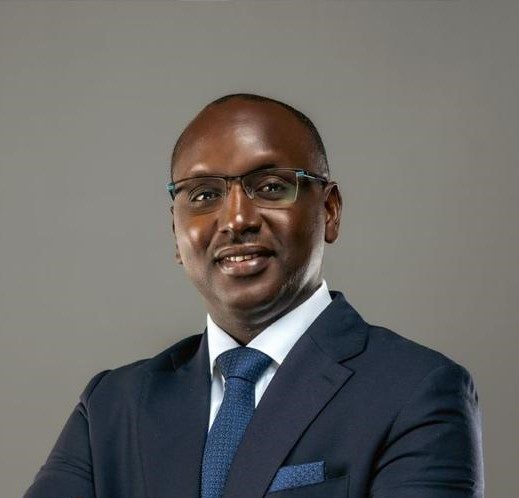
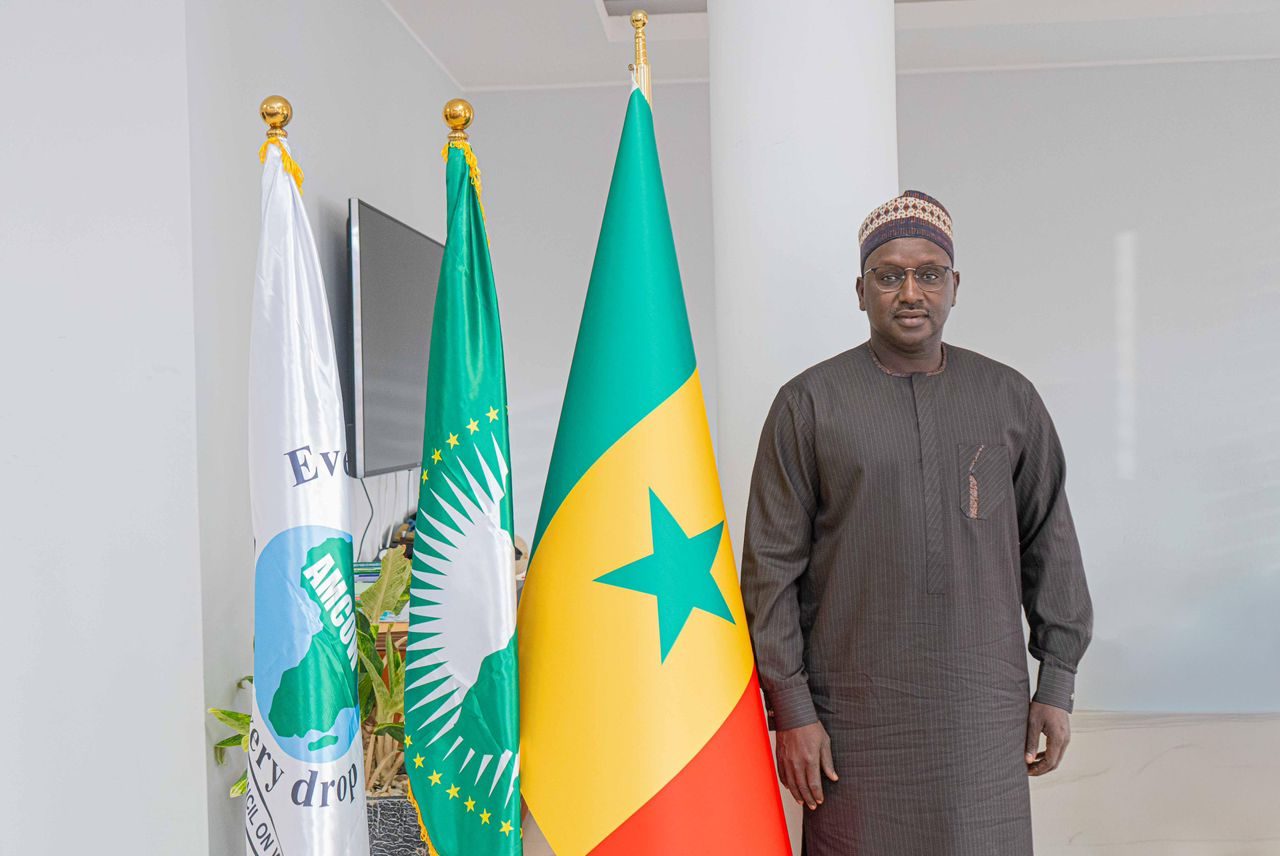
HIS EXCELLENCY DR CHEIKH TIDIANE DIEYE
MINISTER OF HYDRAULICS AND SANITATION, SENEGAL
AMCOW PRESIDENT

I welcome the adoption of the new Africa Water Vision 2063 and Policy by the 14th Session of the AMCOW General Assembly.

The year 2025 has emerged as a pivotal milestone for the African water and sanitation community. Throughout this year, we have resolutely pursued AMCOW’s mission, which is to “provide political leadership, strategic guidance and advocacy for the provision, use and management of water resources for sustainable social and economic development and the preservation of African ecosystems“.

True to this mission and mandate, AMCOW, in close collaboration with the African Union Commission, has led the process of developing the Africa Water Vision 2063 and Policy.

You will recall that at the beginning of the new millennium, we set out our ambition for “an Africa where water resources are used equitably and sustainably for socio-economic development, poverty reduction, regional cooperation and environmental protection by 2025“.

I am delighted that, in this pivotal year, the Africa Water Vision 2063 and Policy was adopted at the 14th Session of the AMCOW General Assembly, held on 29 September in Dakar, Senegal. This Vision and Policy – that of a resilient Africa, secure in terms of water and equipped with safe sanitation for all – is not merely an aspiration. They constitute a genuine roadmap for the next 38 years, with the overall objective of ensuring water security as part of the implementation of Agenda 2063, the Africa we want. They position water as an essential catalyst for the achievement of Agenda 2063, from poverty eradication, food security and industrialisation to climate resilience and regional integration.

The new Africa Water Vision will be our compass, our collective voice and our shared commitment to future generations. It will also serve as Africa’s common position and contribution to the 2026 United Nations Water Conference, with a view to accelerating the implementation of Sustainable Development Goal 6 (SDG 6).

I am particularly pleased that the document entitled “Africa Water Vision and Policy 2063” is the result of a long consultative process led by Member States. This approach aligns with the priorities defined at the beginning of Senegal’s two-year term as President of AMCOW. As recalled during the handover of the AMCOW presidency on 3 March 2025, one of our major ambitions was to reach a consensus on the development and adoption of a common and ambitious Africa Water Vision and Policy post-2025.

This approach was also in line with the decisions of the 13th AMCOW General Assembly, held in the Arab Republic of Egypt in June 2023, which entrusted the AMCOW Secretariat with conducting a multi-level dialogue process with a view to adopting the new Vision.

The sub-regional consultation meetings, organised by the AMCOW Vice-Presidents in each of the sub-regions, on the sidelines of our institution’s statutory meetings, played a decisive role in this consultative process. In this regard, allow me to commend the leadership and support of my colleagues and AMCOW Vice-Presidents:

  • E. Jumaa Hamidu AWESO (MP), Minister of Water and Irrigation of the United Republic of Tanzania, hosted the meeting of the East Africa Sub-Regional Ministerial Committee from 4 to 7 March 2025 in Dar Es Salaam;
  • E. Joseph Terlumun UTSEV, FNSE, Minister of Water Resources and Sanitation of the Federal Republic of Nigeria, hosted the West African Member States from 18 to 20 March in Abuja;
  • E. Dr Anxious Jongwe MASUKA, Minister of Lands, Agriculture, Fisheries, Water and Rural Development of the Republic of Zimbabwe, convened the Southern Africa sub-regional meeting from 24 to 26 March in Harare;
  • E. José Juan Ndong Tom MEKINA, Minister of Agriculture, Livestock, Forestry, Fisheries and Environment of the Republic of Equatorial Guinea, convened the Central African Member States to a virtual meeting on 2 and 3 April 2025; and
  • E. Nizar BARAKA, Minister of Equipment and Water of the Kingdom of Morocco, convened the Member States of North Africa on 8 and 10 April in Rabat.

We also express our deep gratitude to the authorities of the Republic of Zambia for hosting the Third Pan-African Conference on Implementation and Partnership (PANAFCON-3), held from 27 to 29 May in Lusaka. PANAFCON-3 provided an inclusive platform for broad consultations with all stakeholders to review the initial draft Vision and Policy Framework for the post-2025 period, aimed at ensuring water security and access to sanitation for an integrated, prosperous and peaceful Africa. We extend our sincere thanks to the Honourable Collins NZOVU, Member of Parliament and Minister of Water Resources and Sanitation of the Republic of Zambia, for his visionary leadership and mobilisation in convening and conducting PANAFCON-3.

Another major milestone was the African Union Summit on Investment in the Water Sector, held from 13 to 15 August 2025 in Cape Town, Republic of South Africa, during which AMCOW organised an awareness-raising session on the Africa Water Vision 2063 and Policy. We deeply appreciate the leadership of the Honourable Pemmy MAJODINA, Member of Parliament and Minister of Water and Sanitation of the Republic of South Africa, who was able to mobilise and unite political leaders around this strategic agenda during the Summit.

The development of the Africa Water Vision 2063 and Policy would not have been possible without the decisive leadership of the African Union Commission. In this regard, allow me to express my gratitude to my brother and visionary leader, His Excellency Mr Moses VILAKATI, Commissioner for Agriculture, Rural Economy, Blue Economy and Sustainable Environment (ARBE) of the African Union Commission. We also extend our thanks to the reference group and sherpas appointed by the African Union Commission who worked, on the one hand, to build a broad political consensus around the fundamental principles of the Africa Water Vision and Policy and, on the other hand, to ensure sustained dialogue and active engagement of all stakeholders.

We also welcome the continued support and valuable collaboration of the African Development Bank, through the African Water Facility (AWF); the United Nations Economic Commission for Africa (ECA); the Gates Foundation (GF); the European Union and the German Federal Ministry for Economic Cooperation and Development, through GIZ; the Global Environment Facility (GEF), through the Food and Agriculture Organisation of the United Nations (FAO) and the International Water Management Institute (IWMI); the African Network of Civil Society Organisations on Water and Sanitation (ANEW); the AUDA-NEPAD Network of Centres of Excellence on Water; WaterAid; the Federal Institute for Geosciences and Natural Resources (BGR); and all our implementing partners.

At the end of the year, we also had the honour of taking part in several high-level continental events. These included the eight edition of Cairo Water Week, held from 12 to 16 October in Cairo, Arab Republic of Egypt, and the 19th World Water Congress, organised by the International Water Resources Association (IWRA) from 1 to 5 December in Marrakesh, Kingdom of Morocco.

As we approach the end of 2025, we look forward to 2026 with renewed commitment. We express our gratitude to our Heads of State and Government for adopting the theme “Ensuring sustainable availability of water and safe sanitation systems to achieve the goals of Agenda 2063” as the theme of the African Union for the year 2026. This strategic choice aims to strengthen water security in order to realise Africa’s aspirations to expand its economic opportunities.

The thirty-ninth ordinary session of the Assembly, scheduled for February 2026, will be mainly devoted to the adoption of the Africa Water Vision 2063 and Policy as a continental tool for implementing Agenda 2063.

In accordance with the decision of the African Union (Assembly/AU/Dec.912(XXXVIII)), the Republic of Senegal also notes the opportunity offered by the vertical links between the African Union’s 2026 theme framework and the 2026 United Nations Water Conference to accelerate the implementation of Sustainable Development Goal 6 on water and sanitation. As co-organiser of the 2026 United Nations Water Conference, Senegal also intends to place the Africa Water Vision and Policy at the heart of global discussions on the actions to be taken to give new impetus to the implementation of Africa’s commitments on water and sanitation.

As we commemorate the AU theme for 2026, we seek to:

  1. develop a first detailed implementation plan for the Africa Water Vision and Policy for the period 2026-2033.
  2. formulate the first implementation plan 2026-2033 for the Africa Water Vision and Policy (FIP 2026-33) and mobilise the necessary efforts to implement this Vision by 2063;
  3. organise, on the sidelines of the 2026 Annual Meeting of the African Development Bank, an international conference on financing the Africa Water Vision 2063 and Policy;
  4. ensure the dissemination and awareness-raising of the Africa Water Vision 2063 and Policy at major events, including:
  • 12th Ordinary Session of the African Regional Forum for Sustainable Development on the theme: Water and Development – UNECA
  • Africa Water & Sanitation Systems Leadership Symposium Kigali 2026
  • Regional preparatory processes towards the 11th World Water Forum

In conclusion, allow me to reaffirm my full commitment to working in collaboration with all Member States, partner institutions and all stakeholders in the water and sanitation sector. Only through collective action, based on determination and solidarity, can we make water and sanitation a political and socio-economic priority, serving inclusive growth and sustainable prosperity for our continent in 2026 and beyond.

Yours sincerely,

H.E. Dr Cheikh Tidiane DIEYE
Minister of Hydraulics and Sanitation,
Republic of Senegal
AMCOW President

MESSAGE DE FIN D'ANNÉE 2025 DU PRÉSIDENT DE L'AMCOW

SON EXCELLENCE DR CHEIKH TIDIANE DIEYE
MINISTRE DE L’HYDRAULIQUE ET DE L’ASSAINISSEMENT, RÉPUBLIQUE DU SÉNÉGAL
PRÉSIDENT DE L’AMCOW

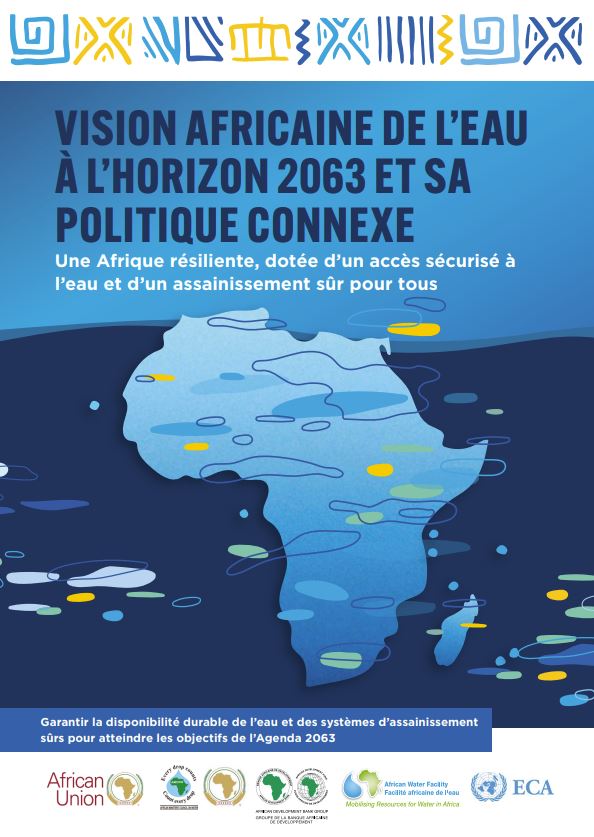
Je me félicite  de l’option de la nouvelle Vision et Politique africaines de l'eau 2063, par la 14e Session de l’Assemblée générale de l'AMCOW.

Dr Cheikh Tidiane Dieye

Président de l'AMCOW

L’année 2025 s’est affirmée comme une étape charnière pour la communauté africaine de l’eau et de l’assainissement. Tout au long de cette année, nous avons poursuivi avec détermination la mission de l’AMCOW, qui consiste à « assurer le leadership politique, l’orientation stratégique et la promotion de la fourniture, de l’utilisation et de la gestion des ressources en eau en faveur d’un développement social et économique durable, ainsi que de la préservation des écosystèmes africains ».

Fidèle à cette mission et à ce mandat, l’AMCOW, en étroite collaboration avec la Commission de l’Union africaine, a conduit le processus d’élaboration de la Vision et politique africaines de l’eau à l’horizon 2063.

Vous vous souviendrez qu’au début du nouveau millénaire, nous avions formulé l’ambition d’« une Afrique où les ressources en eau seraient utilisées de manière équitable et durable au service du développement socio-économique, de la réduction de la pauvreté, de la coopération régionale et de la protection de l’environnement d’ici 2025 ».

Je me réjouis, qu’en cette année charnière, la Vision et politique africaines de l’eau 2063 soit adoptée lors la 14e Session de l’Assemblée générale de l’AMCOW, tenue le 29 septembre à Dakar, au Sénégal,. Cette Vision et Politique — celles d’une Afrique résiliente, sécurisée sur le plan de l’eau et dotée d’un assainissement sûr pour tous — ne relèvent pas de simples aspirations. Elles constituent une véritable feuille de route pour les 38 prochaines années, avec pour objectif global de garantir la sécurité de l’eau dans le cadre de la mise en œuvre de l’Agenda 2063, l’Afrique que nous voulons. Elles positionnent l’eau comme un catalyseur essentiel de la réalisation de l’Agenda 2063, de l’éradication de la pauvreté, de la sécurité alimentaire et de l’industrialisation, en passant par la résilience climatique et l’intégration régionale.

La nouvelle Vision africaine de l’eau sera notre boussole, notre voix collective et notre engagement commun envers les générations futures. Elle servira également de position et de contribution communes de l’Afrique à la Conférence des Nations unies sur l’eau de 2026, en vue d’accélérer la mise en œuvre de l’Objectif de développement durable n° 6 (ODD 6).

Je me me félicite tout particulièrement que le document intitulé « Vision et politique africaines de l’eau à l’horizon 2063» soit l’aboutissement d’un long processus consultatif conduit par les Etats membres. Cette approche s’inscrit pleinement dans les priorités définies au début du mandat de deux ans du Sénégal à la présidence de l’AMCOW. Comme rappelé lors de la passation de pouvoir à la présidence de l’AMCOW, le 03 mars 2025, l’une de nos ambitions majeures  était de parvenir à un consensus autour de l’élaboration et de l’adoption d’une Vision et politique africaines de l’eau post-2025, à la fois communes et ambitieuses.

Cette démarche répondait également aux décisions de la 13e Assemblée générale de l’AMCOW, tenue en République arabe d’Egypte en juin 2023, qui avaient confié au Secrétariat de l’AMCOW la conduite d’un processus de dialogue à plusieurs niveaux en vue de l’adoption de la nouvelle Vision.

Les réunions de consultation sous-régionales, organisées par les Vice-présidents de l’AMCOW dans chacune des sous-régions, en marge des réunions statutaires de notre institution, ont joué un rôle déterminant dans ce processus consultatif. Permettez-moi, à cet égard, de saluer le leadership et l’appui de mes collègues et Vice-présidents de l’AMCOW  :

  • E. Jumaa Hamidu AWESO (MP), Ministre de l’Eau et de l’Irrigation de la République-Unie de Tanzanie, a accueilli la réunion du Comité ministériel sous-régional de l’Afrique de l’Est du 4 au 7 mars 2025 à Dar Es Salaam ;
  • E. Joseph Terlumun UTSEV, FNSE, Ministre des Ressources en eau et de l’Assainissement de la République fédérale du Nigeria, a accueilli les États membres d’Afrique de l’Ouest du 18 au 20 mars à Abuja ;
  • E. Dr Anxious Jongwe MASUKA, Ministre des Terres, de l’Agriculture, de la Pêche, de l’Eau et du Développement rural de la République du Zimbabwe, a convoqué la réunion sous-régionale d’Afrique australe du 24 au 26 mars à Harare ;
  • E. José Juan Ndong Tom MEKINA, Ministre de l’Agriculture, de l’Élevage, des Forêts, de la Pêche et de l’Environnement de la République de Guinée équatoriale, a convoqué les États membres d’Afrique centrale à une réunion virtuelle les 2 et 3 avril 2025 ; et
  • E. Nizar BARAKA, Ministre de l’Équipement et de l’Eau du Royaume du Maroc, a réuni les États membres d’Afrique du Nord les 8 et 10 avril à Rabat.

Nous exprimons également notre profonde reconnaissance aux autorités de la République de Zambie pour avoir accueilli la troisième Conférence panafricaine sur la mise en œuvre et le partenariat (PANAFCON-3), tenue du 27 au 29 mai à Lusaka. PANAFCON-3 a offert une plateforme inclusive de vastes consultations avec l’ensemble des parties prenantes, en vue de l’examen du projet initial de Vision et de cadre politique pour l’après-2025, visant à garantir la sécurité de l’eau et l’accès à l’assainissement pour une Afrique intégrée, prospère et pacifique. Nous adressons nos sincères remerciements à l’Honorable Collins NZOVU, Député et Ministre des Ressources en eau et de l’assainissement de la République de Zambie, pour le leadership éclairé et la mobilisation qu’il a assurés dans la convocation et la conduite de la PANAFCON-3.

Une autre étape majeure a été le Sommet de l’Union africaine sur l’investissement dans le secteur de l’eau, tenu du 13 au 15 août 2025 au Cap, en République d’Afrique du Sud, à l’occasion duquel l’AMCOW a organisé une session de sensibilisation consacrée à la Vision et Politique africaines de l’eau à l’horizon 2063. Nous saluons avec une profonde reconnaissance le leadership de l’Honorable Pemmy MAJODINA, Députée et Ministre de l’Eau et de l’Assainissement de la République d’Afrique du Sud, qui a su mobiliser fédérer les dirigeants politiques autour de cet agenda stratégique lors dudit Sommet.

L’élaboration de la Vision et politique africaines de l’eau à l’horizon 2063 n’aurait pu aboutir sans le leadership déterminant de la Commission de l’Union africaine. Permettez-moi, à cet égard, d’exprimer ma gratitude à mon frère et leader visionnaire, Son Excellence Monsieur Moses VILAKATI, Commissaire à l’agriculture, au développement rural, à l’économie bleue et à l’environnement durable (ARBE) de la Commission de l’Union africaine. Nous adressons également nos remerciements au groupe de référence et aux sherpas désignés par la Commission de l’Union africaine qui ont œuvré, d’une part, à l’établissement un large consensus politique autour des principes fondamentaux de la Vision et politique africaines de l’eau et, d’autre part, assurer un dialogue soutenu et un engagement actif de l’ensemble des parties prenantes.

 Nous saluons en outre le soutien constant et la collaboration précieuse de la Banque africaine de développement, à travers la Facilité africaine de l’eau (AWF) ; de la Commission économique des Nations unies pour l’Afrique ; de la Fondation Gates (GF) ; de l’Union européenne et du ministère fédéral allemand de la Coopération économique et du Développement, par l’intermédiaire de la GIZ ; du Fonds pour l’environnement mondial (FEM), via l’Organisation des Nations unies pour l’alimentation et l’agriculture (FAO) et l’Institut international de gestion de l’eau (IWMI) ; du Réseau africain de la société civile sur l’eau et l’assainissement (ANEW) ; du Réseau des centres d’excellence sur l’eau de l’AUDA-NEPAD ; de WaterAid ; de l’Institut fédéral des géosciences et des ressources naturelles (BGR), ainsi que de l’ensemble de nos partenaires de mise en œuvre.

En fin d’année, nous avons également eu l’honneur de prendre part à plusieurs événements continentaux de haut niveau. Il s’agit notamment de la huitième édition de la Semaine de l’eau du Caire, tenue du 12 au 16 octobre au Caire, en République arabe d’Egypte, ainsi que du XIXe Congrès mondial de l’eau, organisé par l’Association internationale des ressources en eau (IWRA) du 1er au 5 décembre à Marrakech, au Royaume du Maroc.

Alors que nous sommes au soir de l’année 2025, nous abordons 2026 avec un engagement renouvelé. Nous exprimons notre gratitude à nos Chefs d’Etat et de gouvernement pour avoir adopté le thème « Assurer la disponibilité durable de l’eau et des systèmes d’assainissement sûrs pour atteindre les objectifs de l’Agenda 2063 » comme thème de l’Union africaine pour l’année 2026. Ce choix stratégique vise à renforcer la sécurité de l’eau afin de concrétiser les aspirations de l’Afrique à l’élargissement de ses opportunités économiques.

La trente-neuvième session ordinaire de l’Assemblée, prévue en février 2026, sera principalement consacrée à l’adoption de la Vision et politique africaines de l’eau à l’horizon 2063 en tant qu’outil continental de mise en œuvre de l’Agenda 2063.

Conformément à la décision de l’Union africaine (Assembly/AU/Dec.912(XXXVIII)), la République du Sénégal prend également note de l’opportunité offerte par les liens verticaux entre le cadre d’action du thème de l’Union africaine pour 2026 et la Conférence des Nations unies sur l’eau de 2026, en vue d’accélérer la mise en œuvre de l’Objectif de développement durable n° 6, relatif à l’eau et à l’assainissement. En sa qualité de co-organisateur de la Conférence des Nations unies sur l’eau de 2026, le Sénégal entend également placer la Vision et politique africaines de l’eau  au cœur des échanges mondiaux sur les actions à entreprendre afin de donner un nouvel élan à la mise en œuvre des engagements de l’Afrique en matière d’eau et d’assainissement.

Alors que nous commémorons le thème de l’UA pour 2026, nous cherchons à :

  1. élaborer un premier plan de mise en œuvre détaillé de la Vision et politique africaines de l’eau pour la période 2026-2033.
  2. formuler le premier plan de mise en œuvre 2026-2033 de la Vision et politique africaines de l’eau (FIP 2026-33) et mobiliser des efforts nécessaires à la mise en œuvre de cette Vision d’ici 2063 ;
  3. organiser, en marge de la réunion annuelle 2026 de la Banque africaine de développement, une conférence internationale sur le financement de la Vision et politique africaines de l’eau 2063 ;
  4. assurera la diffusion et la sensibilisation autour de la Vision et politique africaines de l’eau à l’horizon 2063 lors des grands événements, notamment :
  • la 12e Session ordinaire du Forum régional africain pour le développement durable sur le thème : Eau et développement – CEA
  • le Symposium sur le leadership en matière de systèmes d’approvisionnement en eau et d’assainissement en Afrique, Kigali 2026
  • les Processus préparatoires régionaux en vue du 11e Forum mondial de l’eau

Pour conclure, permettez-moi de réaffirmer mon engagement total à travailler en collaboration avec tous les Etats membres, les institutions partenaires et toutes les parties prenantes du secteur de l’eau et de l’assainissement. Ce n’est qu’à travers une action collective, fondée sur la détermination et la solidarité  que nous pourrons faire de l’eau et de l’assainissement une priorité politique et socio-économique, au service d’une croissance inclusive et d’une prospérité durable pour notre continent, en 2026 et au-delà..  

Cordialement,

S.E. Dr Cheikh Tidiane DIEYE
Ministre de l’Hydraulique et de l’Assainissement,
République du Sénégal
Président de l’AMCOW

Season’s Greetings ENG-1
Special Messages

Season’s Greetings and Recap of AMCOW’s Efforts in 2025

Dear Esteemed Friends and Partners,

As  we come to an end of 2025, allow us to wish you and loved ones happy holidays. This is also a perfect moment to look back at the final milestone year for the Africa Water 2025.

For us, the adoption of the Africa Water Vision 2063 and Policy, at the 14th General Assembly of the Governing Council of AMCOW – hosted by the Republic of Senegal, is the main highlight for 2025. The Vision and Policy – of a water secure and resilient Africa with safe sanitation for all – is not merely aspirational. It is a blueprint for action within the context of assuring water security in pursuit of the goals of AU’s Agenda 2063.

The Africa Water Vision 2063 and Policy seeks to deliver on a set of eight vision statements, namely; 

  • Universal access to safely managed water, sanitation and hygiene services
  • Sustainable water availability for transformed economies and growing, prosperous populations facing greater climate uncertainty
  • A thriving blue economy sustainably leverages Africa’s marine resources to drive prosperity, climate resilience, ecosystem protection and well-being
  • Water governance systems, institutions and transformative leadership grounded in international water law and the principles of subsidiarity, accountability and transparency
  • Water basins recognise as shared natural assets for enhancing regional integration, peace, social inclusion and political stability
  • People, economies, and ecosystems are resilient and adequately protected from risks of natural and man-made water-related disasters
  • Human capital development, technological empowerment and adaptive learning meet the requirements for effective management of Africa’s natural resources base
  • Investment into legitimised and integrated water information systems supporting science-based decision making for climate resilience and raising the profile of water management and sanitation in national systems for economic planning, investment and financial allocation

The process of formulating the Post-2025 Africa Water Vision and Policy is traced back to the 2022 WASSMO Report when an eight-step roadmap was outlined and adopted.

In February, as a part of the step to ensure high-level political ownership of the vision and commitment to its implementation, the African Union Commission appointed the Reference Group and Sherpas. The main task of the Reference Group was to advise on the central tenets and provide leadership to build broad political consensus on the new Africa Water Vision and Policy. At the technical level, the Reference Group was supported by a team of Sherpas who commenced their work with the formulation of for thematic papers to inform consultations.

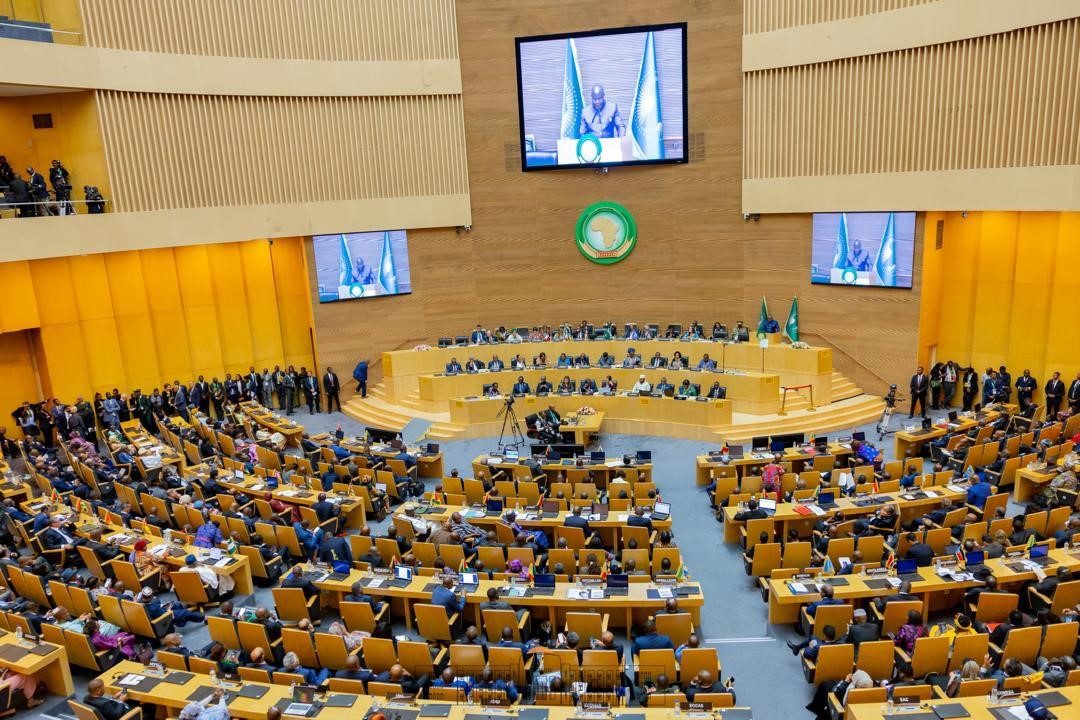
Later in February, with strong support from Member States and the AUC, we secured landmark decisions on water and sanitation. During the 38th Ordinary Session of the Assembly, held on February 15-16 in Addis Ababa, Ethiopia, the Assembly of the Heads of State and Government of the Union took decisions:

  • Assembly/AU/Dec.912(XXXVIII) adopting “Assuring Sustainable Water Availability and Safe Sanitation Systems to Achieve the Goals of Agenda 2063” as the African Union Theme of the year 2026.
  • Assembly/AU/Dec.931(XXXVIII) acknowledging the Republic of Zambia’s leadership to host, on 27 – 29 May 2025, the third African Implementation and Partnership Conference on water and sanitation (PANAFCON-3).

In March and April, AMCOW Statutory Meetings of the Technical Advisory and Technical Experts Committees and Partners provided a platform for consultations at the sub-regional level. These meetings assured the involvement and contribution of all Member States in formulating the new vision and policy.

Prior to the statutory meetings, AMCOW officially welcomed the Republic of Senegal as its new President, on 3 March, marking an important transition in advancing Africa’s water and sanitation goals. The Republic of Senegal assumed the presidency from the Arab Republic of Egypt for a two-year term, until 2027. In his inaugural address, His Excellency Dr. Cheikh Tidiane Dieye, as the President of AMCOW, reaffirmed Senegal’s commitment to drive progress to achieve water and sanitation sector targets. AMCOW’s leadership changes extended to its Executive Committee and Technical Advisory Committee, with Senegal taking a leading role. Egypt took over the role of chair of the Africa Water Facility (AWF) Governing Council. AWF is an AMCOW initiative hosted by the African Development Bank.

The third African Implementation and Partnership on Water (PANAFCON-3) convened on 27-29 May 2025 in Lusaka, Republic of Zambia, provided a platform for reviewing the initial draft of the Africa Water Vision 2063 and Policy. PANAFCON-3 reached consensus on the vision and policy goals. Collectively, political leadership undertook to promote the principles of valuing water and the circular sanitation economy to assure sustainable water availability and safe sanitation systems to achieve the goals of Agenda 2063.

In June, PANAFCON-3 outcomes informed an iterated version of the draft Africa Water Vision 2063 and Policy that was shared with Member States in July.

The months of July and August were dedicated to finalising the Africa Water Vision 2063 and Policy. To ensure continued input in finalising the draft vision and policy, virtual Member States’ meetings were conducted on 24 July 2025 and 07 August 2025. Further, a session on the draft Africa Water Vision 2063 and Policy was convened during the Africa Water Investment Summit, held on 13-15 August 2025 in Cape Town, Republic of South Africa. The main objective of the session was to create awareness on the vision and policy.

In September, our energy and focus were devoted to preparation of the 14th General Assembly of AMCOW hosted from 27 – 29 September in Dakar, the Republic of Senegal. Apart from adopting the new Vision and Policy, the General Assembly also approved:

  • the AMCOW Business Plan 2026 – 2030 to provide a strategic framework for ensuring AMCOW’s financial stability and long-term institutional sustainability;
  • the AMCOW Strategic Operational Plan 2026 – 2030 which positions AMCOW as a proactive, influential, and practical institution in efforts to achieve water security and sustainable sanitation outcomes in Africa; and,
  • the Strategic Programme on Groundwater for Water Security and Resilience in Africa 2026 – 2033 to accelerate implementation of APAGroP.

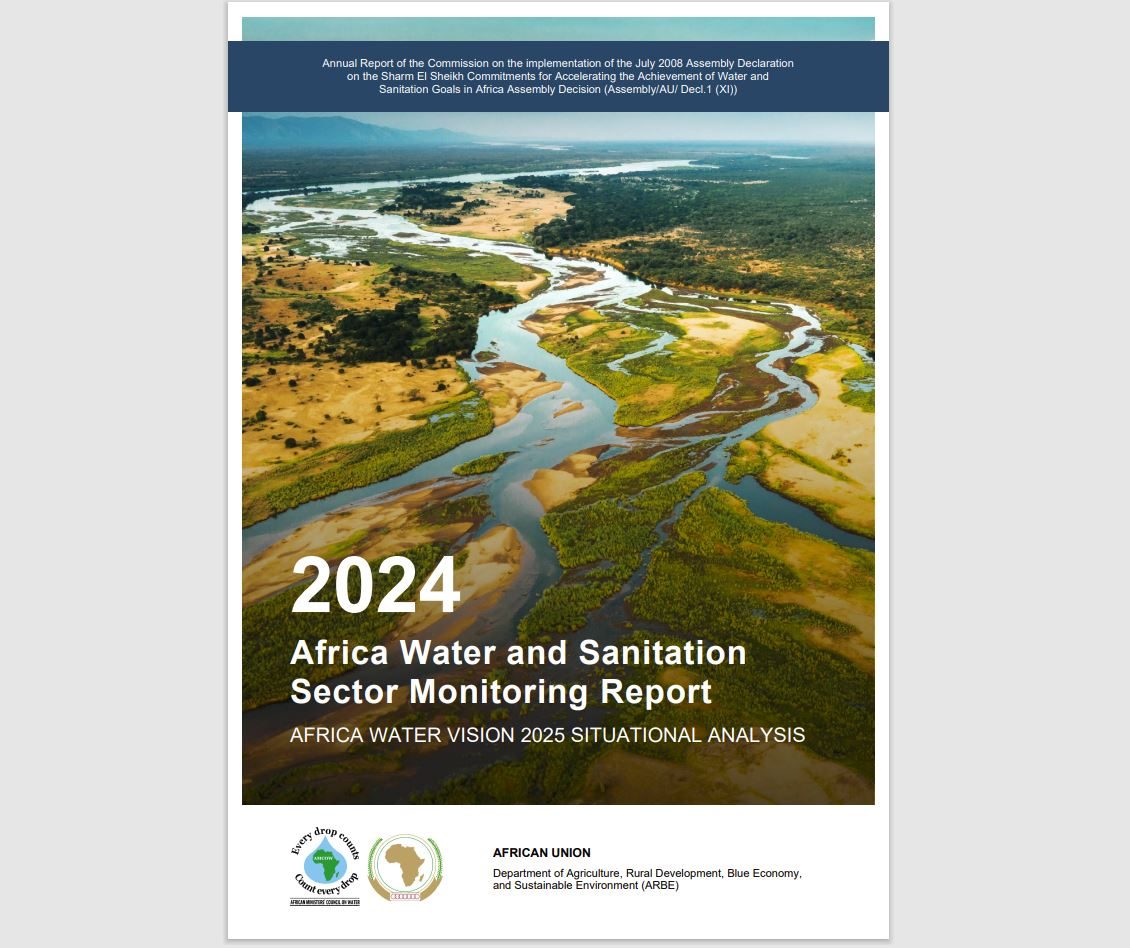
In October, we participated at the 6th Ordinary Session of the Specialized Technical Committee (STC) on Agriculture, Rural Development, Water and Environment (ARDWE) of AUC held on 21-24 October, in Addis Ababa, Ethiopia. At the STC, AMCOW submitted the Africa Water Vision 2063 and Policy as well as the 2024 Annual Report of the Commission on the implementation of the July 2008 Assembly Declaration on the Sharm El Sheikh Commitments for Accelerating the Achievement of Water and Sanitation Goals in Africa.  Consequently, the 6th STC on ARDWE took several decisions related to water and sanitation, as follows:

  • Took note of the Africa Water Vision 2063 and Policy as adopted by the Sectoral Ministerial Committee on Water and Sanitation (AMCOW) to provide strategic guidance to the resilience building within the water and sanitation sector
  • Further, took note the 2024 Annual Report of the Commission on the implementation of the July 2008 Assembly Declaration on the Sharm El Sheikh Commitments for Accelerating the Achievement of Water and Sanitation Goals in Africa (Assembly/AU/ Decl.1 (XI)). The report provides the agreed situation analysis and the baseline information for the Africa Water Vision 2063 and Policy.
  • Recommended the Africa Water Vision 2063 and Policy for endorsement by the 39th Ordinary Session of the Assembly of Heads of State and Government: (i) as a continental implementation framework for achieving the goals of Agenda 2063; and, (ii) as Africa’s Common Position and input to the UN 2026 Water Conference to accelerate the implementation of SDG 6. 
  • Tasked the AMCOW Secretariat, working with the AUC; AfDB; AWF; and the United Nations Economic Commission for Africa (UNECA), and in consultation with Member States to: (i) to develop the First Implementation Plan 2026-2033 of the Africa Water Vision 2063 and Policy (FIP 2026-33) to launch efforts to realise the vision by 2063. And (ii) to organise – on the margins of the 2026 African Development Bank Annual Meeting – an International Conference on Financing the Africa Water Vision 2063 and Policy Implementation Plan 2026-2033.
  • Requested the President of the African Development Bank to facilitate the hosting of the International Conference on Financing the Africa Water Vision 2063 and Policy on the margins of the Bank’s Annual Meetings in 2026.
  • Further requested the AU Commission to facilitate the launch of the Africa Water Vision 2063 and Policy at the 39thOrdinary Session of the Assembly of African Heads of State and Government in February 2026.
  • Requested the AU Commission in collaboration with the AMCOW Secretariat and the African Development Bank to organize for the launch the Africa Water Vision 2063 and Policy Implementation Plan (2026 – 2033) at the International Financing Conference to be hosted on the margins of the AfDB’s Annual Meetings in 2026 for the purpose of mobilizing resources.
  • Requested Member States to: (i) domesticate the Africa Water Vision 2063 and Policy into their national frameworks to facilitate implementation; and (ii) work with Regional Economic Communities to ensure standardisation and harmonisation.

We closed the month of October with an announcement of AMCOW’s appointment as a Regional Coordinator of the 11th World Water Forum Regional Process for Africa. The World Water Council appointed regional processes coordinating institutions for Africa, the Americas, Arab as well as Asia and the Pacific regions. The appointment was based on proven experience, collaboration capacity, and strong commitment to advancing regional perspectives in global water dialogue. AMCOW has always ensured stronger engagement of the AUC, AfDB and members states as well as partners in the preparation for the World Water Forum series.

In November, together with the African Union Commission, through the Directorate of Sustainable Environment and Blue Economy, we convened the 6th African Water and Sanitation Partners’ Coordination Platform (PCP) meeting. The meeting received updates from different eight (8) clusters co-leads on the activities undertaken since 5th Ordinary Session of PCP. The meeting reviewed the draft Action Framework for the Implementation of the AU Theme for 2026 “Assuring Sustainable Water Availability and Safe Sanitation Systems to Achieve the Goals of Agenda 2063”. A calendar of activities to commemorate the AU Theme for 2026 was also agreed by the partners. One of the key outcomes of the PCP was an agreement to establish a Task Team to facilitate the formulation of a draft First Implementation Plan 2026 – 2033 for the new Africa Water Vision 2063 and Policy.

Finally, in December, we closed the year with our participation at different high-level events at continental and global levels. These include the XIX World Water Congress convened by the International Water Resources Association (IWRA) from 1-5 December in Marrakech, Morocco and the International Water Association (IWA) Water and Development Congress and Exhibition 2025 on 8–12 December in Bangkok, Thailand. AMCOW used these events to present and create awareness on the new Africa Water Vision 2063 and Policy.

As we conclude the year, we would like to express our gratitude to AUC, through the Directorate of Sustainable Environment and Blue Economy, for the leadership provided in the process of formulating the new vision and policy. The achievements in this years were as a result of the tremendous support and invaluable contributions from:

  1. Excellences the President, Vice Presidents, and Members of the council of Ministers.
  2. the Member States that availed the data used to prepare the knowledge and information materials shared during the events convened.
  3. the African Development Bank through the Africa Water Facility (AWF); the United Nations Economic Commission for Africa; the United States State Department through USAID; Gates Foundation (GF); the European Union and the German Federal Ministry of Economic Development and Cooperation through GIZ; the Global Environmental Facility through the FAO and IWMI; African Civil Society Network on Water and Sanitation (ANEW), AUDA-NEPAD Network of Water Centres of Excellence; the Embassy of Finland in Zambia, the Federal Institute for Geosciences and Natural Resources (BGR), the Limpopo Watercourse Commission (LIMCOM), National Water Supply and Sanitation Council (NWASCO), SARO Agro Industrial Limited, SNV, Sanitation and Water for All (SWA), UNESCO, UNICEF, WaterAid; Wonderful Group, Zambia National Commercial Bank (ZANACO), Zambia Sugar, the Zambezi watercourse Commission (ZAMCOM); and the Zambezi Water Authority (ZRA)

We are now looking forward to 2026, starting with the business of the Union to commemorate the AU Theme for 2026 “Assuring Sustainable Water Availability and Safe Sanitation Systems to Achieve the Goals of Agenda 2063”. The 39th Ordinary Session of the Assembly sets the stage for consideration and endorsement of the Africa Water Vision 2026 and Policy. As we implement the activities in 2026, we will continue counting on the leadership and support of Member States and the collective ability with partners towards “A Water Secure and Resilient Africa with Safe Sanitation for All”.

May your holidays and new year be filled with happiness!

AMCOW Secretariat

****************************************************************************************************

FRENCH

Meilleurs vœux et bilan des efforts déployés par l’AMCOW en 2025

Chers amis et partenaires,

Alors que l’année 2025 touche à sa fin, nous vous souhaitons, à vous et à vos proches, de joyeuses fêtes. C’est également le moment idéal pour revenir sur cette année charnière pour Africa Water 2025.

Pour nous, l’adoption de la Vision africaine de l’eau à l’horizon 2063 et de la Politique, lors de la 14e Assemblée générale du Conseil d’administration de l’AMCOW, organisée par la République du Sénégal, est le principal fait marquant de l’année 2025. La Vision et la Politique – d’une Afrique résiliente et en sécurité sur le plan hydrique, avec un assainissement sûr pour tous – ne sont pas seulement des aspirations. Il s’agit d’un plan d’action dans le contexte de la sécurité de l’eau, dans la poursuite des objectifs de l’Agenda 2063 de l’UA.

La Vision africaine de l’eau à l’horizon 2063 et la Politique visent à concrétiser un ensemble de huit Enoncés de vision, à savoir :

  • Accès universel à des services d’eau, d’assainissement et d’hygiène gérés de manière sûre
  • Disponibilité durable de l’eau pour des économies transformées et des populations croissantes et prospères confrontées à une plus grande incertitude climatique
  • Une économie bleue florissante qui exploite de manière durable les ressources marines de l’Afrique pour favoriser la prospérité, la résilience climatique, la protection des écosystèmes et le bien-être
  • Des systèmes de gouvernance de l’eau, des institutions et un leadership transformateur fondés sur le droit international de l’eau et les principes de subsidiarité, de responsabilité et de transparence
  • Reconnaissance des bassins hydrographiques comme des biens naturels communs pour renforcer l’intégration régionale, la paix, l’inclusion sociale et la stabilité politique
  • Les populations, les économies et les écosystèmes sont résilients et correctement protégés contre les risques de catastrophes naturelles et anthropiques liées à l’eau
  • Le développement du capital humain, l’autonomisation technologique et l’apprentissage adaptatif répondent aux exigences d’une gestion efficace des ressources naturelles africaines
  • Investissement dans des systèmes d’information sur l’eau légitimés et intégrés, soutenant la prise de décision fondée sur la science pour la résilience climatique et renforçant la visibilité de la gestion de l’eau et de l’assainissement dans les systèmes nationaux de planification économique, d’investissement et d’allocation financière

Le processus d’élaboration de la Vision africaine de l’eau post 2025 et la Politique remonte au rapport WASSMO 2022, dans lequel une feuille de route en huit étapes a été définie et adoptée.

En février, dans le cadre des mesures visant à garantir l’appropriation politique de haut niveau de la vision et l’engagement en faveur de sa mise en œuvre, la Commission de l’Union africaine a nommé le groupe de référence et les sherpas. La principale tâche du groupe de référence consistait à donner des conseils sur les principes fondamentaux et à jouer un rôle de premier plan dans l’établissement d’un large consensus politique sur la nouvelle Vision africaine de l’eau et la Politique. Sur le plan technique, le groupe de référence a été soutenu par une équipe de sherpas qui a commencé ses travaux par la formulation de quatre documents thématiques destinés à éclairer les consultations.

Plus tard en février, avec le soutien sans faille des États membres et de la CUA, nous avons obtenu des décisions historiques en matière d’eau et d’assainissement. Lors de la 38e session ordinaire de l’Assemblée, qui s’est tenue les 15 et 16 février à Addis-Abeba, en Éthiopie, l’Assemblée des chefs d’État et de gouvernement de l’Union a pris les décisions suivantes :

  • Assembly/AU/Dec.912(XXXVIII) adoptant « Garantir la disponibilité durable de l’eau et des systèmes d’assainissement sûrs pour atteindre les objectifs de l’Agenda 2063 » comme thème de l’Union africaine pour l’année 2026.
  • Assembly/AU/Dec.931(XXXVIII) reconnaissant le rôle de chef de file joué par la République de Zambie en accueillant, du 27 au 29 mai 2025, la troisième Conférence africaine sur la mise en œuvre et le partenariat dans le domaine de l’eau et de l’assainissement (PANAFCON-3).

En mars et avril, les réunions statutaires de l’AMCOW des comités consultatifs techniques et d’experts techniques et des partenaires ont fourni une plateforme pour des consultations au niveau sous-régional. Ces réunions ont garanti la participation et la contribution de tous les États membres à la formulation de la nouvelle vision et de la nouvelle politique.

Avant les réunions statutaires, l’AMCOW a officiellement accueilli la République du Sénégal en tant que nouveau président, le 3 mars, marquant ainsi une transition importante dans la promotion des objectifs de l’Afrique en matière d’eau et d’assainissement. La République du Sénégal a succédé à la République arabe d’Égypte à la présidence pour un mandat de deux ans, jusqu’en 2027. Dans son discours inaugural, Son Excellence le Dr Cheikh Tidiane Dieye, en tant que Président de l’AMCOW, a réaffirmé l’engagement du Sénégal à faire progresser la réalisation des objectifs dans le secteur de l’eau et de l’assainissement. Les changements à la tête de l’AMCOW se sont étendus à son comité exécutif et à son comité consultatif technique, le Sénégal jouant un rôle de premier plan. L’Égypte a pris la présidence du Conseil d’administration de la Facilité africaine de l’eau (FAE). La FAE est une initiative de l’AMCOW hébergée par la Banque africaine de développement.

La troisième Conférence africaine sur la mise en œuvre et le partenariat dans le domaine de l’eau (PANAFCON-3), qui s’est tenue du 27 au 29 mai 2025 à Lusaka, en République de Zambie, a fourni une plateforme pour examiner le projet initial de la Vision et de la politique africaines pour l’eau à l’horizon 2063. La PANAFCON-3 est parvenue à un consensus sur la vision et les objectifs politiques. Collectivement, les dirigeants politiques se sont engagés à promouvoir les principes de valorisation de l’eau et d’économie circulaire de l’assainissement afin de garantir la disponibilité durable de l’eau et la sécurité des systèmes d’assainissement pour atteindre les objectifs de l’Agenda 2063.

En juin, les résultats de la PANAFCON-3 ont servi de base à une version révisée du projet de Vision africaine de l’eau à l’horizon 2063 et de Politique, qui a été communiquée aux États membres en juillet.

Les mois de juillet et août ont été consacrés à la finalisation de la Vision africaine de l’eau 2063 et de la Politique. Afin de garantir la poursuite des contributions à la finalisation du projet de vision et de politique, des réunions virtuelles des États membres ont été organisées le 24 juillet 2025 et le 7 août 2025. En outre, une session sur le projet de Vision et de politique pour l’eau en Afrique à l’horizon 2063 a été organisée lors du Sommet africain sur l’investissement dans l’eau, qui s’est tenu du 13 au 15 août 2025 au Cap, en République d’Afrique du Sud. L’objectif principal de cette session était de sensibiliser les participants à la vision et à la politique.

En septembre, nous avons consacré toute notre énergie et toute notre attention à la préparation de la 14e Assemblée générale de l’AMCOW, qui s’est tenue du 27 au 29 septembre à Dakar, en République du Sénégal. Outre l’adoption de la nouvelle Vision et de la nouvelle Politique, l’Assemblée générale a également approuvé :

  • le Business Plan 2026-2030 de l’AMCOW, qui fournit un cadre stratégique visant à garantir la stabilité financière et la viabilité institutionnelle à long terme de l’AMCOW ;
  • le Plan stratégique opérationnel 2026-2030 de l’AMCOW, qui positionne l’AMCOW comme une institution proactive, influente et pragmatique dans les efforts visant à garantir la sécurité de l’approvisionnement en eau et l’assainissement durable en Afrique ; et
  • le Programme stratégique sur les eaux souterraines pour la sécurité hydrique et la résilience en Afrique 2026-2033, afin d’accélérer la mise en œuvre de l’APAGroP.

En octobre, nous avons participé à la 6e session ordinaire du Comité technique spécialisé (CTS) sur l’agriculture, le développement rural, l’eau et l’environnement (ARDWE) de la CUA, qui s’est tenue du 21 au 24 octobre à Addis-Abeba, en Éthiopie. Lors du  CTS, l’AMCOW a présenté la Vision africaine de l’eau 2063 et la Politique ainsi que le rapport annuel 2024 de la Commission sur la mise en œuvre de la Déclaration de l’Assemblée de juillet 2008 sur les engagements de Charm el-Cheikh pour accélérer la réalisation des objectifs en matière d’eau et d’assainissement en Afrique.  En conséquence, la 6e réunion du CTS sur l’ARDWE a pris plusieurs décisions relatives à l’eau et à l’assainissement, comme suit :

  • A pris note de la Vision africaine de l’eau 2063 et de la Politique, telles qu’adoptées par le Comité ministériel sectoriel sur l’eau et l’assainissement (AMCOW), afin de fournir des orientations stratégiques pour le renforcement de la résilience dans le secteur de l’eau et de l’assainissement.
  • A pris note du rapport annuel 2024 de la Commission sur la mise en œuvre de la Déclaration de l’Assemblée de juillet 2008 sur les engagements de Charm el-Cheikh pour accélérer la réalisation des objectifs en matière d’eau et d’assainissement en Afrique (Assembly/AU/Decl.1 (XI)). Le rapport présente l’analyse convenue de la situation et les informations de référence pour la Vision africaine de l’eau 2063 et la Politique.
  • A recommandé que la Vision africaine de l’eau 2063 et la Politique soient approuvées par la 39e session ordinaire de la Conférence des chefs d’État et de gouvernement : (i) en tant que cadre continental de mise en œuvre pour la réalisation des objectifs de l’Agenda 2063 ; et (ii) en tant que position commune de l’Afrique et contribution à la Conférence des Nations unies sur l’eau de 2026 afin d’accélérer la mise en œuvre de l’ODD 6.
  • Chargé le Secrétariat de l’AMCOW, en collaboration avec la CUA, la BAD, la FAE et la Commission économique des Nations unies pour l’Afrique (CEA), et en consultation avec les États membres, de : (i) élaborer le premier plan de mise en œuvre le Fonds africain pour l’eau (FAE) et la Commission économique des Nations unies pour l’Afrique (CEA), et en consultation avec les États membres, de : (i) élaborer le premier plan de mise en œuvre 2026-2033 de la Vision africaine pour l’eau 2063 et de la politique (FIP 2026-33) afin de lancer les efforts visant à réaliser cette vision d’ici 2063. Et (ii) d’organiser, en marge de la réunion annuelle 2026 de la Banque africaine de développement, une conférence internationale sur le financement de la Vision africaine de l’eau 2063 et la Politique et du plan de mise en œuvre 2026-2033.
  • A demandé au Président de la Banque africaine de développement de faciliter l’organisation de la conférence internationale sur le financement de la Vision africaine de l’eau 2063 et de la Politique en marge des réunions annuelles de la Banque en 2026.
  • A en outre demandé à la Commission de l’UA de faciliter le lancement de la Vision africaine pour l’eau 2063 et de la politique lors de la 39e session ordinaire de la Conférence des chefs d’État et de gouvernement africain en février 2026.
  • A demandé à la Commission de l’UA, en collaboration avec le Secrétariat de l’AMCOW et la Banque africaine de développement, d’organiser le lancement de la Vision africaine de l’eau 2063 et la Politique et du Plan de mise en œuvre (2026-2033) lors de la Conférence internationale sur le financement qui se tiendra en marge des réunions annuelles de la BAD en 2026, dans le but de mobiliser des ressources.
  • A demandé aux États membres : (i) d’intégrer la Vision africaine de l’eau 2063 et la politique dans leurs cadres nationaux afin de faciliter leur mise en œuvre ; et (ii) de collaborer avec les communautés économiques régionales afin d’assurer la normalisation et l’harmonisation.

Nous avons clôturé le mois d’octobre par l’annonce de la nomination de l’AMCOW en tant que Coordinateur régional du 11e Forum mondial de l’eau pour l’Afrique. Le Conseil mondial de l’eau a nommé des institutions chargées de coordonner les processus régionaux pour l’Afrique, les Amériques, les pays arabes ainsi que l’Asie et le Pacifique. Cette nomination s’est fondée sur une expérience avérée, une capacité de collaboration et un engagement fort en faveur de la promotion des perspectives régionales dans le dialogue mondial sur l’eau. L’AMCOW a toujours veillé à renforcer l’engagement de la CUA, de la BAD et des États membres ainsi que des partenaires dans la préparation de la série des Forums mondiaux de l’eau.

En novembre, en collaboration avec la Commission de l’Union africaine, par l’intermédiaire de la Direction de l’environnement durable et de l’économie bleue, nous avons convoqué la 6eréunion de la Plateforme de coordination des partenaires africains pour l’eau et l’assainissement (PCP). La réunion a reçu des informations actualisées de la part des huit (8) co-responsables des différents groupes de travail sur les activités entreprises depuis la 5e session ordinaire de la PCP. La réunion a examiné le projet de cadre d’action pour la mise en œuvre du thème de l’UA pour 2026 « Assurer la disponibilité durable de l’eau et des systèmes d’assainissement sûrs pour atteindre les objectifs de l’Agenda 2063 ». Un calendrier des activités visant à commémorer le thème de l’UA pour 2026 a également été approuvé par les partenaires. L’un des principaux résultats de la PCP a été l’accord sur la création d’une équipe spéciale chargée de faciliter la formulation d’un projet de premier plan de mise en œuvre 2026-2033 pour la nouvelle Vision et politique africaine de l’eau 2063.

Enfin, en décembre, nous avons clôturé l’année en participant à différents événements de haut niveau aux niveaux continental et mondial. Il s’agit notamment du XIXe Congrès mondial de l’eau organisé par l’Association internationale des ressources en eau (IWRA) du 1er au 5 décembre à Marrakech, au Maroc, et du Congrès et salon international de l’eau et du développement 2025 de l’Association internationale de l’eau (IWA) du 8 au 12 décembre à Bangkok, en Thaïlande. L’AMCOW a profité de ces événements pour présenter et faire connaître la nouvelle Vision et politique africaine pour l’eau 2063.

Alors que l’année touche à sa fin, nous tenons à exprimer notre gratitude à la CUA, par l’intermédiaire de la Direction de l’environnement durable et de l’économie bleue, pour le leadership dont elle a fait preuve dans le processus d’élaboration de la nouvelle Vision et de la nouvelle Politique. Les réalisations de cette année sont le fruit du soutien considérable et des contributions inestimables de :

  1. Leurs Excellences le Président, les Vice-présidents et les membres du Conseil des ministres.
  2. les États membres qui ont fourni les données utilisées pour préparer les supports d’information et de connaissance partagés lors des événements organisés.
  3. La Banque africaine de développement, par l’intermédiaire de la Facilité africaine de l’eau (FAE) ; La Commission économique des Nations unies pour l’Afrique ; Le Département d’État des États-Unis, par l’intermédiaire de l’USAID ; La Fondation Gates (GF) ; L’Union européenne et le ministère fédéral allemand du Développement économique et de la Coopération, par l’intermédiaire de la GIZ ; Le Fonds pour l’environnement mondial, par l’intermédiaire de la FAO et de l’IWMI ; Le Réseau africain de la société civile sur l’eau et l’assainissement (ANEW) ; Le Réseau AUDA-NEPAD des centres d’excellence dans le domaine de l’eau ; l’ambassade de Finlande en Zambie, l’Institut fédéral des géosciences et des ressources naturelles (BGR), la Commission du cours d’eau du Limpopo (LIMCOM), le Conseil national de l’approvisionnement en eau et de l’assainissement (NWASCO), SARO Agro Industrial Limited, SNV, Assainissement et eau pour tous (SWA), l’UNESCO, l’UNICEF, WaterAid ; Wonderful Group, la Banque commerciale nationale de Zambie (ZANACO), Zambia Sugar, la Commission du cours d’eau du Zambèze (ZAMCOM) et l’Autorité de l’eau du Zambèze (ZRA).

Nous attendons désormais avec impatience 2026, en commençant par les activités de l’Union visant à commémorer le thème de l’UA pour 2026 « Assurer la disponibilité durable de l’eau et des systèmes d’assainissement sûrs pour atteindre les objectifs de l’Agenda 2063 ». La 39e Session ordinaire de l’Assemblée prépare le terrain pour l’examen et l’adoption de la Vision africaine de l’eau et de la Politique. Alors que nous mettons en œuvre les activités prévues pour 2026, nous continuerons de compter sur le leadership et le soutien des États membres et sur la capacité collective avec nos partenaires pour parvenir à « une Afrique résiliente et en sécurité sur le plan de l’eau, avec un assainissement sûr pour tous ».

Je vous souhaite de joyeuses fêtes et une bonne année !

Secrétariat de l’AMCOW
wtd2025_web_banner_home_eng
NewsPress Release

WORLD TOILET DAY 2025 

Africa Reaffirms Commitment to Safe and Climate-Resilient Sanitation for All 

The African Ministers’ Council on Water (AMCOW) joins the global community in commemorating the World Toilet Day 2025, under the theme “We’ll Always Need the Toilet.” The World Toilet Day (WTD) as an official United Nations international observance day on 19 November aims to inspire action to tackle the global sanitation crisis. 

This year’s theme emphasises that toilets are not optional; they remain indispensable to human health, dignity, environmental protection, and gender equality, and inclusive development – no matter how rapidly societies evolve. 

Across Africa, progress in sanitation access is not sufficient. Only 45% of the population has basic sanitation and hygiene services. The rate of growth in sanitation services provision is outstripped by rapid population growth and urbanisation, and made worse by the impacts of climate change. The majority, nearly 780 million, still lack basic sanitation services, including 208 million who still practice open defecation. Furthermore, nearly 840 people are without basic hygiene services. This situation poses significant threats to public health, ecosystem integrity, economic productivity, and social inclusion on the continent.  

The impacts of climate change compound the challenge. Flooding, drought, rising temperatures, rising sea levels, water scarcity, and ageing sanitation infrastructure continue to disrupt services across Africa. Poorly managed sanitation systems contribute to harmful greenhouse gas emissions — amplifying climate risks and making water supplies more unpredictable.

For Africa, the World Toilet Day 2025 is being commemorated in the final milestone year of the Africa Water Vision 2025. In 2000, we envisioned an Africa where there is equitable and sustainable utilisation of our water resources for socio-economic development, poverty alleviation, regional cooperation and the environment by 2025. What we have learnt from efforts to actualise this vision is the urgent need to inject new approaches into strategies to attract commensurate financial resources to the sector. 

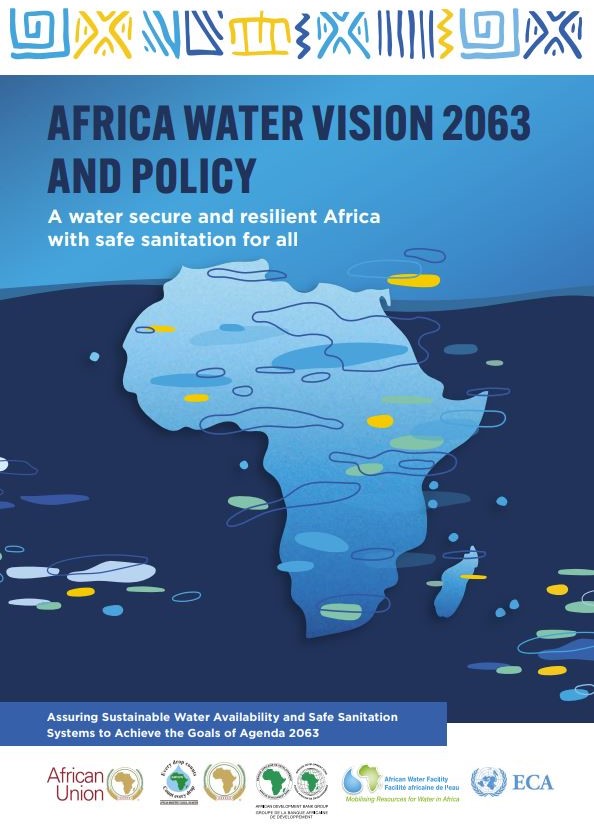
It is against this background that this year, the 14th Ordinary Session of the Governing Council of AMCOW, on 29 September, adopted the Africa Water Vision 2063 and Policy (AWVP63). There is consensus on the vision of “a secure and resilient water Africa with safe sanitation for all” as being bold and aspirational. In addition, it raises the profile of the principles of valuing water; digital intelligence; the circular sanitation economy; and the Blue Economy.  

The new Africa Water Vision and Policy aim to: (i) Align with Agenda 2063 aspirations for a prosperous and climate-resilient Africa; (ii) Address challenges such as climate change, urbanization, pollution, and water scarcity; and (iii) Mobilise political leadership, financial resources, and stakeholder engagement to transform water and sanitation systems into engines of resilience and prosperity.  

This Vision and Policy – of a water secure and resilient Africa with safe sanitation for all – is not merely aspirational. It is a blueprint for action within the context of assuring water security in pursuit of the goals of Agenda 2063. By prioritising universal access to safe water, sanitation and hygiene services; climate resilient resource management; and transboundary cooperation, we fortify the foundation for the Africa we want: prosperous, integrated, and peaceful. 

Africa’s environmental and natural resources – and particularly freshwater resources – are faced with severe degradation. This stems primarily from sanitation and hygiene failures, especially inadequate services provision and unsafe practices; raw sewerage discharge; disposal of solid waste into rivers and storm drainage systems; leachate from refuse dumps; and mining and industrial effluent pollution. 

The new Africa Water Vision and Policy aim to drive a sanitation economy revolution. This calls for shift from waste disposal to resource recovery and unlocking the circular sanitation economy through innovation and regulation. Action to release the full potential of the sanitation economy to benefit business and society in Africa requires a new narrative that transforms sanitation from a cost centre. Sanitation systems must evolve beyond waste disposal to resource recovery hubs. Policy should incentivise and regulate the safe recovery of value from organic waste and wastewater. This points towards the need for policies that provide inclusive, sustainable and resilient systems for safely managed sanitation and hygiene services delivery.  

For the new Africa Water Vision and Policy, the next major event is the 39th Ordinary Session of the Assembly of the Heads of State and Government of the African Union in February 2026. It is where the continent will seek the Assembly to endorse the AWVP63 as (i) a continental implementation framework for Agenda 2063, and (ii) Africa’s Common Position and input to the UN 2026 Water Conference to accelerate the implementation of SDG 6. 

Furthermore, the 38th Ordinary Session of the Assembly adopted “Assuring Sustainable Water Availability and Safe Sanitation Systems to Achieve the Goals of Agenda 2063” as the Africa Union theme for 2026. This presents an unprecedented opportunity to mobilise political leadership, strengthen partnerships, and accelerate investment across the sector. 

About AMCOW 

The African Ministers’ Council on Water (AMCOW) provides political leadership, policy direction, advocacy and strategic coordination for water and sanitation in Africa. The organs and structures of AMCOW serve as the Sectoral Committee on Water and Sanitation of the Specialised Technical Committee (STC) on Agriculture, Rural Development, Blue Economy, Water and Environment (STC on ARBWE) of the Africa Union. 

For further information: 

Email: info@amcow-online.org 
Website: www.amcow-online.org 
 

GA-flags
Press Release

Africa Adopts the Water Vision 2063 and Policy: A ContinentalCompass for Prosperity, Peace, and Resilience

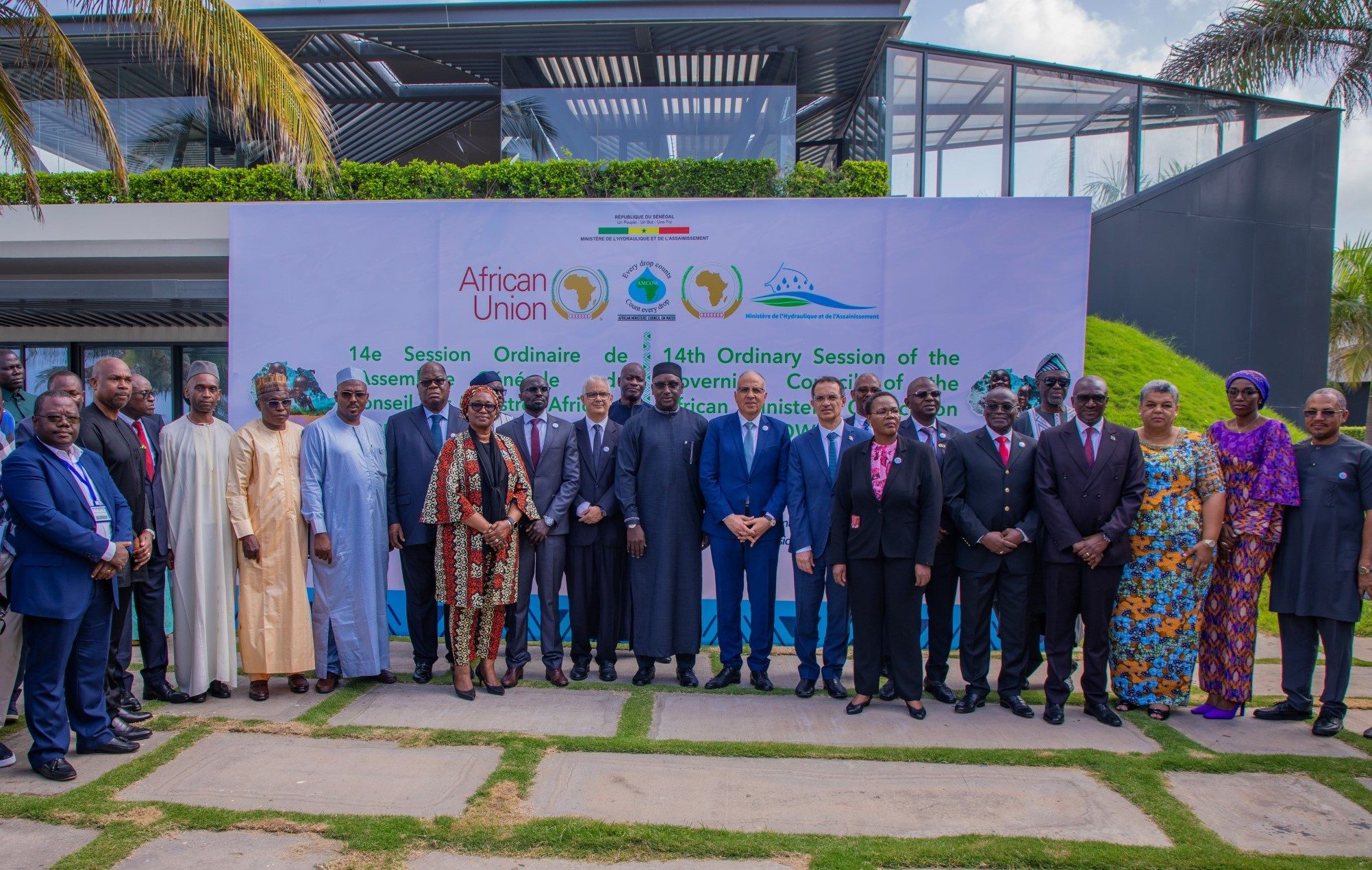
Dakar, 06 October 2025 – The Governing Council of the African Ministers’ Council on Water (AMCOW – at its 14th ordinary session on 29 September 2025 – adopted the Africa Water Vision 2063 and Policy (AWVP63). The Councils comprises Ministers responsible for water, sanitation, environment and related affairs, together with the African Union Commissioner for Agriculture, Rural Development, Blue Economy and Sustainable Environment. The Vision and Policy positions water as Africa’s most strategic asset to drive the ambitions for social transformation and economic growth under Agenda 2063. AMCOW serves as the sectoral ministerial committee on water and sanitation of the African Union Specialised Technical Committee on Agriculture, Rural Development, Blue Economy, Water and Environment (STCARBWE).

The Vision is clear: “A water-secure and resilient Africa with safe sanitation for all.”
It positions water and sanitation as enablers of inclusive prosperity, regional integration, peace and human dignity.

Key highlights of the Africa Water Vision 2063 and Policy:
• Transformative Purpose: AWVP63 provides a continental framework to achieve inclusive and climate-resilient water security, aligned with Agenda 2063 and the Sustainable Development Goals.
• A New Direction: It redefines water as a driver of prosperity – food, energy, trade,
industry; a bridge of peace – shared rivers as pathways to cooperation; and the
foundation of resilience – climate adaptation and ecological sustainability.
• Rooted in Africa’s Commitments: The Vision builds on more than two decades of
Member States commitments and progress to actualise the Africa Water Vision 2025.

Immediate Action for Africa’s Water Future
To fast-track implementation, Ministers approved a powerful package of measures: a new Strategic Plan to strengthen AMCOW’s role as Africa’s water champion; bold business and budget plans to ensure sustainability; and a long-term programme to secure Africa’s hidden lifeline  groundwater – for water security and resilience. They also committed to mobilising innovative financing, including convening an International Conference on Financing the Africa Water Vision 2063 and Policy in 2026.

Africa Rising with Water Leadership
The Vision and Policy will next be tabled for endorsement at the 39th AU Summit in February
2026 – a step making it the official continental water framework to deliver the Africa We Want. This endorsement will also carry Africa’s united voice and input to the UN 2026 Water Conference, ensuring the continent’s priorities shape the global water agenda. Ministers called on all Member States to move swiftly, bringing the Vision home into national and regional development plans so that action starts now.

H.E. Dr Cheikh Tidiane Dièye, AMCOW President and Minister of Hydraulics and Sanitation of Senegal, hails the adoption as “Africa’s solemn commitment to future generations – to safeguard water as the heartbeat of prosperity, peace, and dignity, and to place it at the centre of Africa’s transformation.

H.E. Eng Collins Nzovu, PANAFCON-3 Host and Minister for Water Development and Sanitation of Zambia, reaffirms that “Under President Hichilema’s leadership, Zambia will spare no effort in mobilising consensus, engaging with partners, and championing this agenda in the spirit of African solidarity and shared prosperity.”

Dr. Rashid Mbaziira, AMCOW Executive Secretary, emphasises: “This Vision transforms how Africa thinks and acts on water: from fragmented responses to collective action, from short-term fixes to long-term resilience. It is a call to value water in all its dimensions and lead with innovation, cooperation, and trust.”

A Collective Compass for the Future
The Africa Water Vision 2063 and Policy is more than a policy document – it is a continental compass, guiding Africa towards prosperity, resilience, and unity through water and sanitation.

The AWVP63 was formulated under the auspices of the African Union (AU) in collaboration with the African Ministers’ Council on Water (AMCOW), the African Development Bank through the Africa Water Facility (AfDB-AWF), and the United Nations Economic Commission for Africa (UNECA).

About AMCOW
The African Ministers’ Council on Water (AMCOW) was established in 2002 to provide political leadership, policy direction, and advocacy for water and sanitation across Africa. As the sectoral committee on water and sanitation to the African Union’s Specialised Technical Committee on Agriculture, Rural Development, Blue Economy, Water and Environment (STCARBWE), AMCOW champions sustainable water management to drive development while safeguarding ecosystems. Working with the AU, partners, and initiatives including the EUfunded Blue Africa Action co-financed by the Govenment of Germany through GIZ, AMCOW strengthens continental water governance and mobilises investment for the sector. Since 2023, AMCOW under the auspices of the AU, has spearheaded the adoption of the Africa Water Vision 2063 and Policy – a landmark framework to secure safe water and sanitation for all, power economic transformation, and deliver on the aspirations of Agenda 2063.

Further information: www.amcow-online.org
Communique: https://amcow-online.org/14th-amcow-governing-council-adopts-the-africawater-vision-2063-and-policy/
Pictures: https://flic.kr/s/aHBqjCvZuE

Media Contact:
Joanna Fatch
Email: jfatch@amcow-online.org

Catarina de Albuquerque
NewsSpecial Messages

Tribute to Catarina de Albuquerque

AMCOW, a founding member of the Sanitation and Water for All (SWA) global partnership, joins the global water and sanitation community in celebrating the life of Catarina de Albuquerque. Ms de Albuquerque devoted a good part of her life championing and mobilising political will in favour of water, sanitation and hygiene services provision.

Until her passing on 7 October 2025, she served as the Chief Executive Officer for SWA, the organisation she has worked with since 2014. She worked tirelessly to strengthen the partnership, providing strategic leadership compatible with its vision and high-level objectives.

In 2008, Ms. de Albuquerque was appointed the first UN Special Rapporteur on the human right to safe drinking water and sanitation. She played a pivotal role in the recognition of water and sanitation as human rights by the UN General Assembly in 2010. Her work helped ensure that the right to water and sanitation was incorporated into the language of the Sustainable Development Goals.

AMCOW extends deepest condolences to her family, friends, and all colleagues who had the honour of working with her.  

May her soul rest in eternal peace.

Minister-at-14GA
14th GA CommuniquePress Release

14th AMCOW Governing Council adopts the Africa Water Vision 2063 and Policy

💧 Africa’s Water Future takes flight!

At the 14th AMCOW General Assembly, African Ministers adopted the Africa Water Vision 2063 and Policy – a bold roadmap to place water and sanitation at the heart of Agenda 2063: The Africa We Want.
This Vision and Policy will serve as Africa’s continental implementation plan of Agenda 2063 on the priority area of water security and sanitation; and as our common position and input to the UN 2026 Water Conference.

Key commitments include:
✅ Adoption of the AMCOW Strategic Operational Plan (2026–2030), Business Plan (2026-2030), and Groundwater Programme.
✅ Increased Member State contributions to ensure ownership and sustainability.
✅ Mobilisation for endorsement of the Vision and Policy at the 39th AU Summit in 2026
The Africa Water Vision 2063 and Policy is more than a plan – it is a call to action for prosperity, integration, and resilience through water and sanitation.

Together, we are building a water secure and resilient Africa with safe sanitation for all.
 
Click to read the Communique on the Adoption of the Africa Water Vision 2063 and Policy and launch of its implementation >> ENFR | PT | SP    

(FR) 💧 L’avenir de l’eau en Afrique prend son envol !

À l’occasion de la 14ᵉ Assemblée générale de l’AMCOW, les ministres africains ont adopté la Vision et la Politique africaines de l’eau à l’horizon 2063, une feuille de route ambitieuse qui place l’eau et l’assainissement au cœur de l’Agenda 2063 : L’Afrique que nous voulons.

Cette Vision et cette Politique serviront de plan de mise en œuvre continental de l’Agenda 2063 dans le domaine prioritaire de la sécurité de l’eau et de l’assainissement, ainsi que de position commune et de contribution de l’Afrique à la Conférence des Nations unies sur l’eau de 2026.

Principaux engagements :
✅ Adoption du Plan opérationnel stratégique de l’AMCOW (2026-2030), du Business plan (2026-2030) et du Programme sur les eaux souterraines.
✅ Augmentation des contributions des États membres en vue de renforcer l’appropriation et la pérennité.
✅ Mobilisation en vue de l’adoption de la Vision et de la Politique lors du 39ᵉ Sommet de l’Union africaine en 2026.

La Vision et la Politique africaines de l’eau 2063 ne sont pas qu’un simple plan : elles constituent un appel à l’action pour la prospérité, l’intégration et la résilience grâce à l’eau et à l’assainissement.

Ensemble, construisons une Afrique résiliente et en sécurité hydrique, avec un assainissement durable pour tous.

Cliquez ici pour lire le Communiqué sur l’adoption de la Vision et de la Politique africaines de l’eau 2063 et
lancement de sa mise en œuvre
 >> ENFR | PT | SP    
AMCOW president
FeaturedNews

ARTICLES OF LEADERSHIP FORMALLY HANDED OVER TO AMCOW PRESIDENT

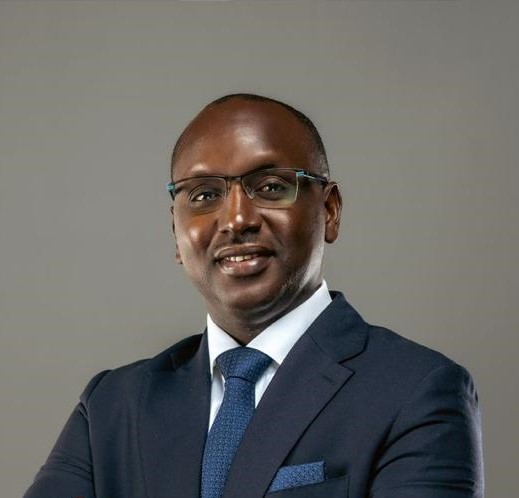
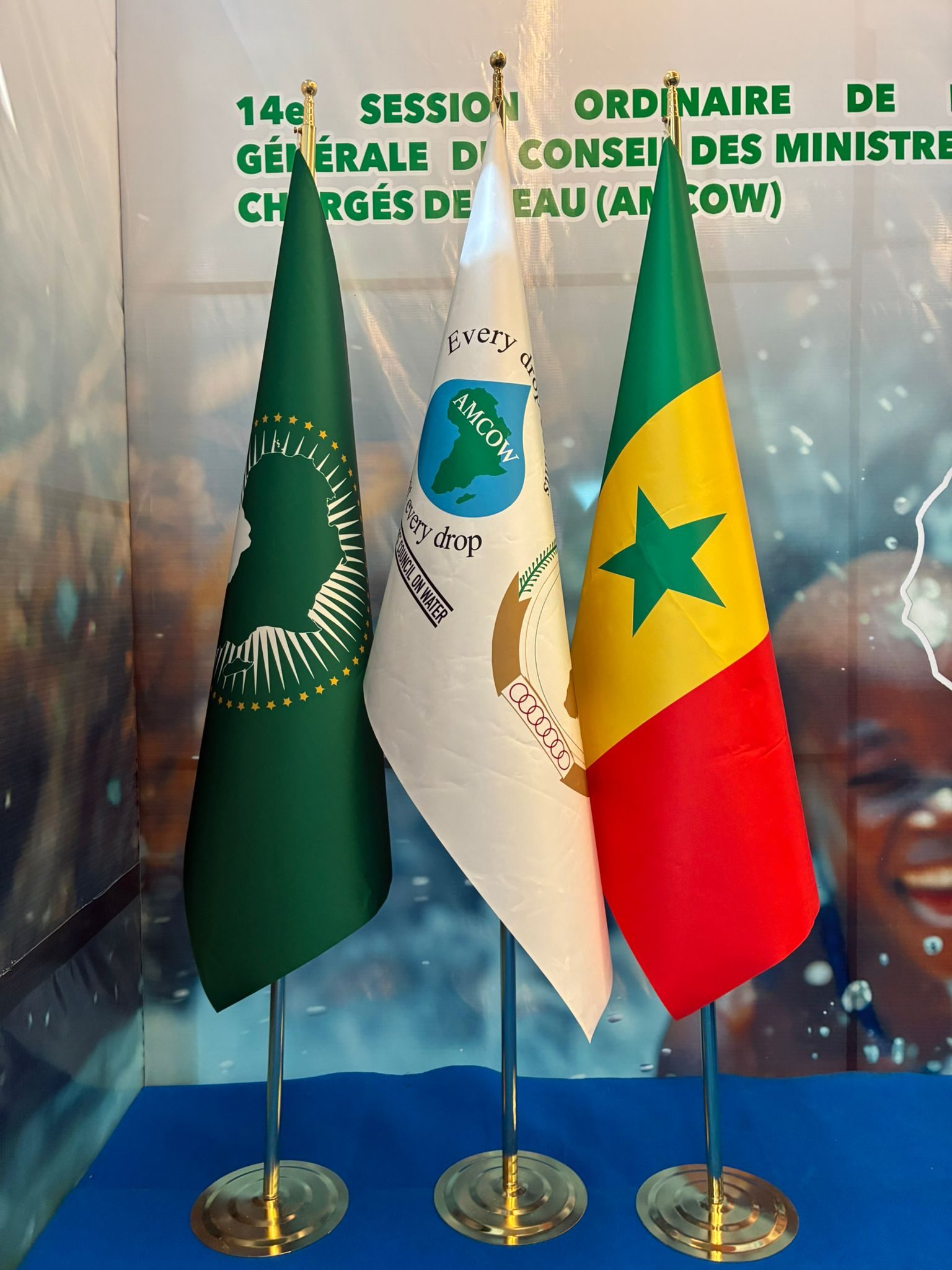
During the Ministerial Dialogue Session held at PNANAFCON-3, on 27 May, in Lusaka Zambia, an opportunity was seized to handover instruments of AMCOW Leadership to Dr Cheikh Tidiane DIÈYE, Minister of Hydraulics and Sanitation, and current AMCOW President. The handover included the African Union and AMCOW’s flags.

This follows a handover to the leadership of policy organs during the 6th Extra-Ordinary Session of the Executive Committee (EXCO) of the Governing Council of AMCOW held virtually on 3 March 2025. The Republic of Senegal humbly and resolutely accepted the responsibility to lead AMCOW for a two-year term from 2025 – 2027. 

LINK: READ MORE ABOUT THE AMCOW PRESIDENT – DR CHEIKH TIDIANE DIÈYE

1748353622400
FeaturedNews

PANAFCON-3 UPDATES

PANAFCON-3 Kicks Off in Lusaka: Ministers Embrace a Bold Vision for Africa’s Water and Sanitation Future

Lusaka, Zambia – 27 May 2025

The third Pan-African Conference on Water (PANAFCON-3) officially opened on Tuesday in Lusaka, Zambia, with a high-level Ministerial Session setting the tone for what is expected to be a landmark event. Ministers, water experts, and development partners gathered to deliberate on the draft Post-2025 Africa Water Vision and Policy,reaffirming the continent’s determination to place water at the heart of its development agenda.

Shaping Africa’s Water Vision

A central feature of the session was the presentation of eight bold Vision Statements, developed through subregional consultations held between March and April 2025. These statements are poised to shape the Post-2025 Africa Water Vision and Policy, positioning water as a strategic driver for inclusive development and economic growth.

The eight draft Vision Statements are:

  • Universal access to safely managed water, sanitation, and hygiene services.
  • Sustainable water availability to support transformed economies amidst climate uncertainty.
  • Resilient people and ecosystems protected from water-related disasters.
  • Transparent water governance rooted in subsidiarity and accountability.
  • Water basins as assets for peace, regional integration, and shared prosperity.
  • Skilled human capital and technology to drive resource management.
  • Investment in integrated water information systems to support evidence-based decision-making.
  • A thriving blue economy that harnesses Africa’s marine wealth for sustainable development.
Zambia Issues a Call to Action

Opening the Ministerial Session, H.E. Eng. Collins Nzovu, Zambia’s Minister for Water Development and Sanitation, called on delegates to respond to urgent challenges such as climate change, urbanization, pollution, and water scarcity.

“Let’s make today’s conversation count,” he urged. “Let us demonstrate Africa’s political determination to put words into action. May this meeting be a watershed moment in the continent’s journey towards water security and resilience.”

As host nation, Zambia underscored the importance of a bold, practical, and responsive water vision,one that reflects water’s vital role in advancing peace, development, and climate adaptation.

AUC and AMCOW: Bold Actions Are Needed

The African Union Commission (AUC) emphasized that water security is critical to achieving Agenda 2063.
H.E. Moses Vilakati, Commissioner for Agriculture, Rural Development, Blue Economy and Sustainable Environment, stated:

“Africa must recognise water as a critical resource and a powerful enabler of sustainable. socio-economic development.”

AMCOW President, H.E. Dr. Cheikh T. Dieye, Senegal’s Minister of Hydraulics and Sanitation, warned of rising pressures from population growth, rapid urbanization, and climate change. He called for greater investment, stronger institutions, and adaptive water systems:

“This is not just another meeting—it is a defining moment to transform our water and sanitation systems into engines of resilience, health, and prosperity.”

In March 2025, Senegal officially took over the AMCOW presidency from Egypt. As incoming chair, Senegal has committed to driving governance reforms, strengthening advocacy, and globally repositioning Africa’s water agenda.

AfDB Spotlights Financing Gaps

The African Development Bank (AfDB) presented sobering figures on Africa’s water financing needs. While the continent requires $50 billion annually, current investments range between $10–19 billion, resulting in a yearly funding gap of $30–40 billion.

The Bank flagged critical threats including rising public debt, falling official development assistance (ODA), and increasing climate shocks. However, it also highlighted opportunities in domestic resource mobilization, private sector investment, and climate finance to bridge the gap.

The Road to 2026: Building Momentum

With 2026 declared the African Union Year on Water and Sanitation, a series of key events in 2025 will help shape and finalize the Post-2025 Vision, including:

  • AU AIP Investment Summit – Cape Town, 13–16 August
  • AMCOW General Assembly
  • Africa Climate Summit
  • AU Specialized Technical Committee on Water and Environment

South Africa, which currently holds the G20 Presidency, used the platform to invite ministers to the AIP Investment Summit, further demonstrating Africa’s growing momentum to prioritize water investments and reforms.

From Declarations to Action

As PANAFCON-3 progresses, attention is now turning to how stakeholders will translate bold declarations into practical, measurable outcomes. The stakes are high. Africa’s socio-economic future, and its broader development path—will depend on realizing the conference theme:

“Assuring Inclusive and Climate-Resilient Water Security and Sanitation for the Africa We Want.”

Stay tuned for continued updates from PANAFCON-3 in Lusaka.

Pictures

AMCOW-Bulletin-banner-fr-2
News

Bienvenue dans la première édition trimestrielle du bulletin du Conseil des ministres africains chargés de l’eau (AMCOW) pour 2025

Bienvenue dans la première édition trimestrielle du bulletin du Conseil des ministres africains chargés de l’eau (AMCOW) pour 2025. Au cours de ce trimestre, nous avons poursuivi notre mission de leadership politique, d’orientation des politiques et de plaidoyer en matière de fourniture, d’utilisation et de gestion des ressources en eau pour un développement social et économique durable et la préservation des écosystèmes africains.

Ce bulletin présente les principales initiatives et activités entreprises dans le cadre de notre rôle en tant que comité ministériel sectoriel sur l’eau et l’assainissement du comité technique spécialisé sur l’agriculture, le développement rural, l’économie bleue, l’eau et l’environnement (CTS sur l’ARBWE) de l’Union africaine.

Nous sommes impatients de travailler avec vous à la formulation d’une vision et d’une politique africaines de l’eau pour une sécurité de l’eau inclusive et résiliente au
climat sur le continent au-delà de 2025.

Voici notre sélection de faits marquants pour les mois de janvier, février et mars 2025

Lire le bulletin

AMCOW-Bulletin-banner-en-2
News

Welcome to the first quarterly edition of African Ministers’ Council on Water (AMCOW) bulletin for 2025

Welcome to the first quarterly edition of African Ministers’ Council on Water (AMCOW) bulletin for 2025. In this quarter, we continued with our mission of providing political leadership, policy direction and advocacy in the provision, use and management of water resources for sustainable social and economic development and maintenance of African ecosystems.

Highlighted in this bulletin are key initiatives and activities undertaken in our role as the Sectoral Ministerial Committee on Water and Sanitation of the Specialised Technical Committee on Agriculture, Rural Development, Blue Economy, Water and Environment (STC on ARBWE) of the African Union.

We are looking forward to engaging with you as we formulate an Africa Water Vision and Policy for inclusive and climate resilient water security on the continent beyond 2025.

Here is our pick of key highlights for the months of January, February and March 2025

Read the Bulletin