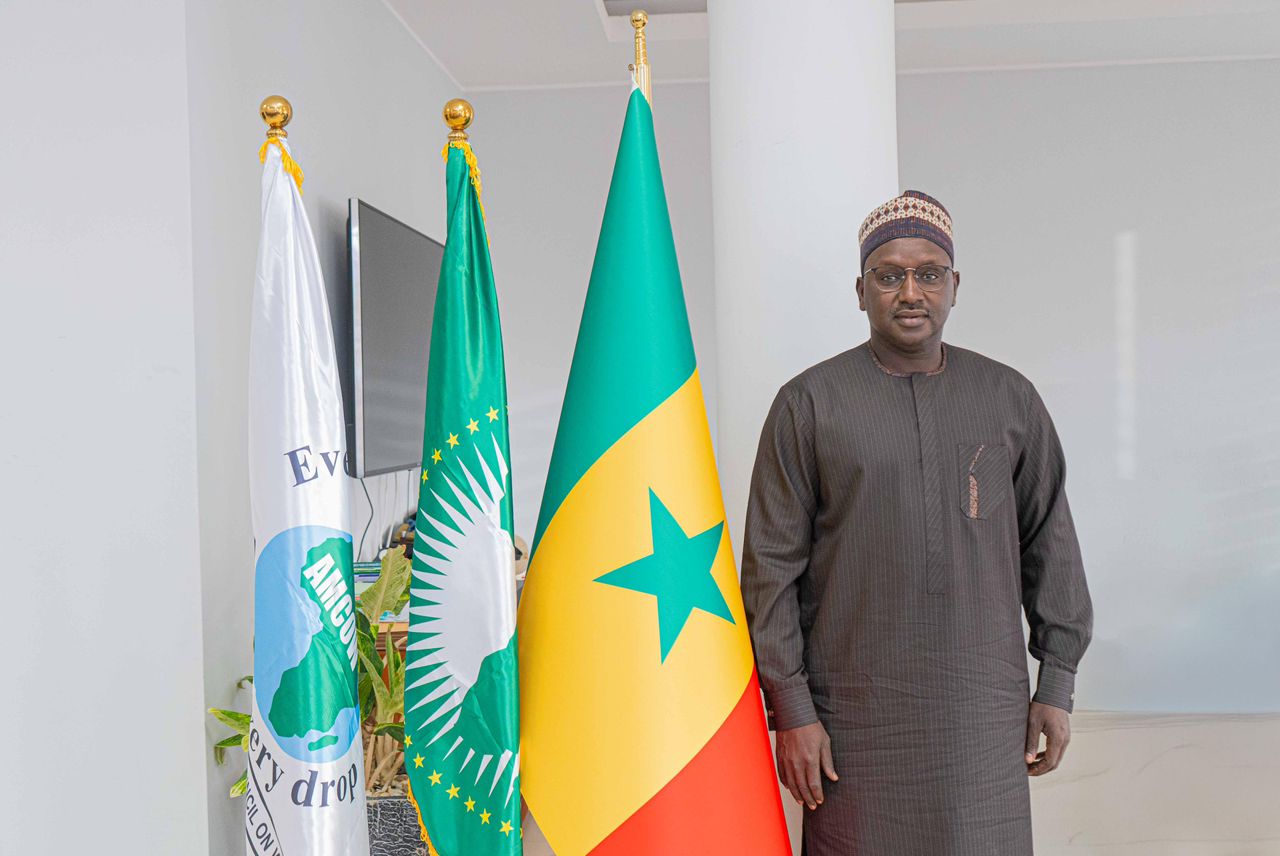
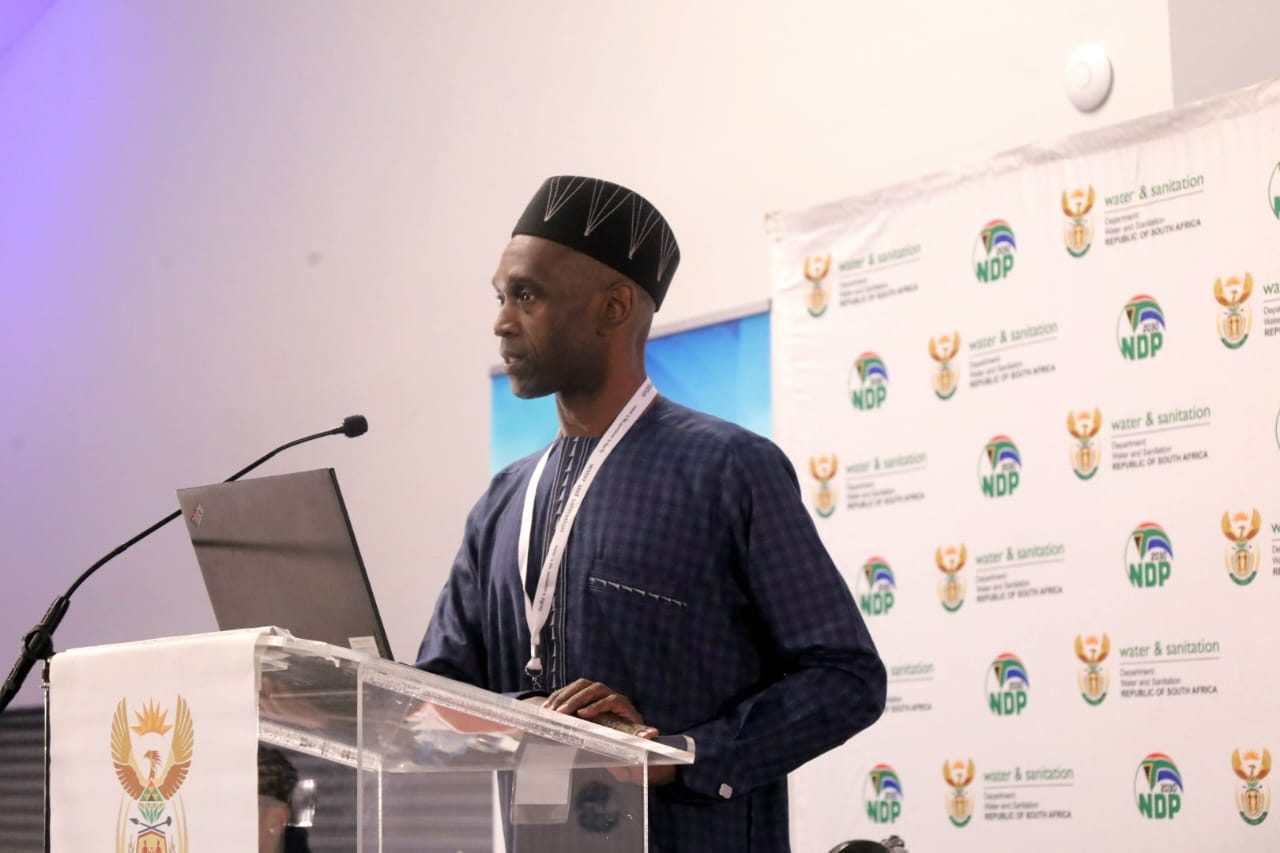
On Monday 22 July 2024, the AMCOW Executive Secretary joined the opening session of the 2024 South Africa National Youth Indaba. At the Indaba, Dr Mbaziira delivered a message of support at the invitation of the government of the Republic of South Africa. While, challenging the youth to assume their role, the Executive Secretary stressed the importance of resourcing programmes that meaningfully engage youth in the water and sanitation sector. Themed “The role of the youth in the water sector in Actively embracing the socio-economic gains of our democracy” the 2024 Youth Indaba provided a platform to take stock of programmes targeted at youth, encourage engagements, knowledge sharing and active participation of the youth in Water and Sanitation Sector activities.
The agenda included an item to formulate an implementation plan for the AMCOW Youth and Gender Inclusion (YoGI) Strategy 2023-2030. The Strategy promotes youth empowerment; gender equity; and social inclusion in efforts to sustainably manage water resources; and ensure equitable provision of water, sanitation and hygiene services in Africa. The YoGI Strategy is aimed at revitalising implementation of AMCOW policies for mainstreaming youth (2013) and gender (2011) in the water and sanitation sector in Africa. In his message, Dr Mbaziira also used the occasion to congratulate Ms Pemmy Castelina Pamela Majodina, on her well-deserved appointment as Minister for Water and Sanitation. Dr Mbaziira recalled the significant and various roles that South Africa has played, which have helped influence the water as well as sanitation agenda on the continent and contributed to the growth of AMCOW.
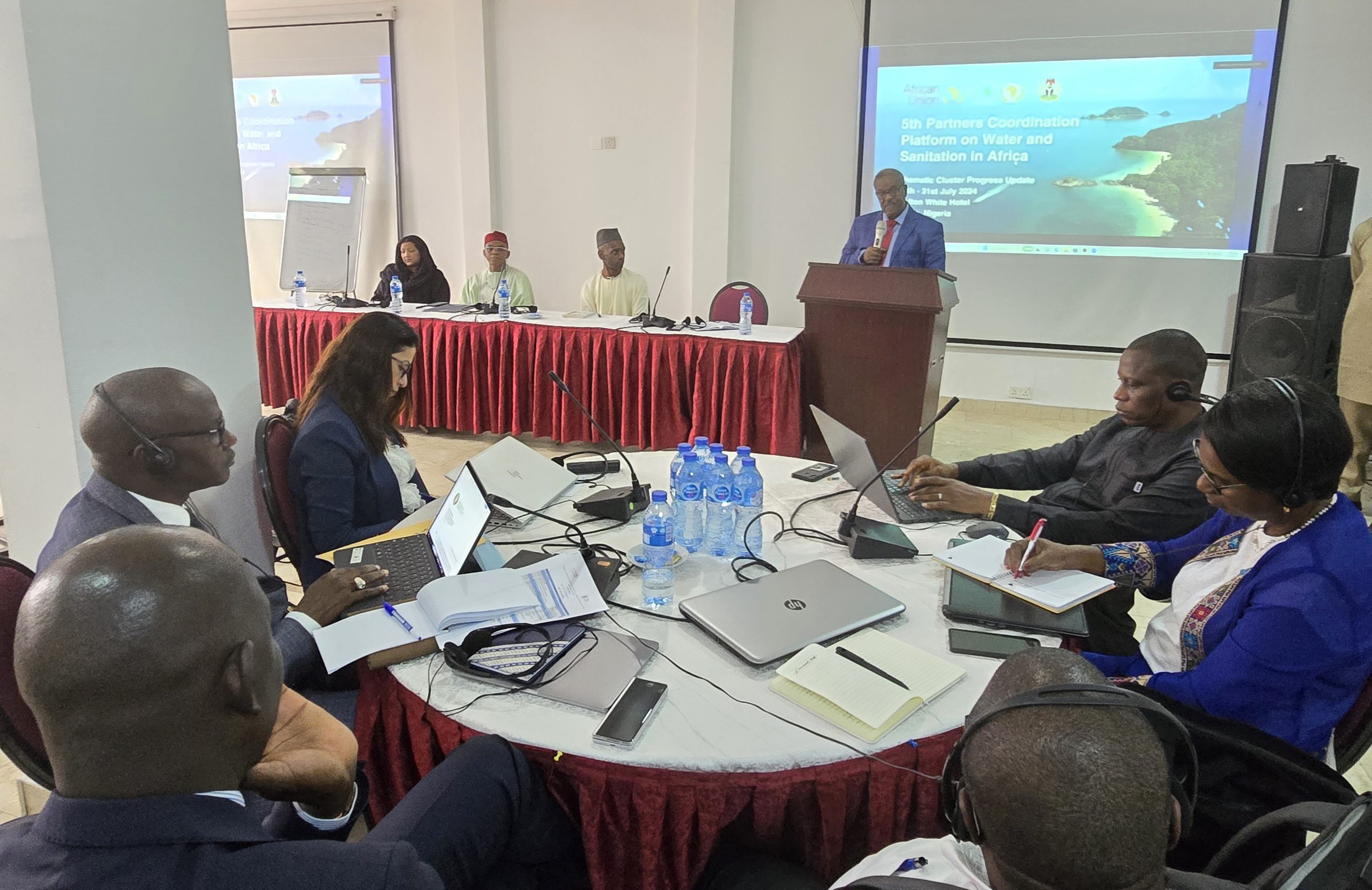
The African Union Commission (AUC) and the African Ministers’ Council on Water (AMCOW) successfully co-hosted the 5th annual Partners Coordination Platform (PCP) meeting on water and sanitation in Africa. Held on 29-31 July 2024 in Abuja, Nigeria, the event brought together leading organisations, development partners, and stakeholders across the continent. The idea was to enhance coordination, strengthen partnerships, and align efforts to accelerate progress toward water security and sanitation goals in Africa.
The PCP is a vital platform for addressing Africa’s water and sanitation challenges by facilitating resource mobilisation, exchanging information, and promoting collaboration among key institutions. The platform and its contribution to the overall goals of the Africa Water Vision 2025 demonstrate water and sanitation’s roles as critical cross-cutting factors in Africa’s socio-economic development.
The 2022 Water and Sanitation Sector Monitoring Report reveals significant challenges. Millions lack access to safe sanitation and drinking water, and climate change exacerbates the issues, impacting livelihoods and economic growth across Africa. At the 5th PCP meeting, participants focused on the importance of building Africa’s resilience to climate change and ensuring that investments in water and sanitation are climate-proofed. Africa remains vulnerable to the effects of climate change, with its water resources severely impacted, which heightens the urgency for more decisive, well-coordinated action.
The gathering also provided a platform for assessing progress on water-related commitments, including those established under Agenda 2063, the African Union’s climate change and resilient development strategy, and the Africa Water Investment Program (AIP). Emphasis was placed on leveraging tools such as the Africa Water and Sanitation Sector Monitoring and Reporting System (WASSMO) and the AIP PIDA Water Investment Scorecard to track water-related investments, improve accountability, and guide future actions.
One of the core objectives of the PCP meeting was to enhance data, knowledge, and reporting mechanisms across the continent to inform better decision-making. Delegates exchanged insights on ongoing water and sanitation initiatives, identified gaps, and recommended future interventions. Key priorities that emerged included ensuring greater access to safe water and sanitation, improving institutional capacity for water governance, and enhancing the coordination of projects spanning transboundary basins and regional economic communities.
In addition to these technical discussions, the meeting allowed stakeholders to share reflections on Africa’s participation at the 10th World Water Forum in Bali, Indonesia. This exchange of experiences envisioned shaping Africa’s position at upcoming global and regional events, such as World Water Week, COP29, and the 9th edition of Africa Water Week.
Expected outcomes of the PCP meeting include enhanced insights into ongoing and planned initiatives and ideas for improving synergies across water and sanitation efforts and organisations. At the core of the consultation were the valuable contributions to the development of a Post-2025 Africa Water Vision and the African Union Water Policy. Also, the groundwork was laid to ensure Africa’s strong and coordinated representation on global platforms and advance a collective and impactful voice on water issues through the Africa Pavilion initiative. Participants at the 5th PCP meeting included representatives from AUC, AMCOW, AfDB, AUDA-NEPAD, UNECA, regional economic communities, basin organisations, civil society networks, development partners, and UN agencies such as UNICEF and UN-Water. These stakeholders are committed to continuing their collaboration to meet Africa’s water and sanitation challenges head-on.
From 20-24 May 2024, the Republic of Indonesia hosted the 10th World Water Forum (WWF10) in Bali under the theme “Water for Shared Prosperity.” This global gathering provided a platform for exploring inclusive and innovative solutions to the world’s pressing water-related challenges, focusing on accelerating progress towards the Sustainable Development Goals (SDGs) by 2030.
AMCOW, in collaboration with critical African institutions like the African Union Commission (AUC), the African Development Bank (AfDB), and the United Nations Economic Commission for Africa (UNECA), played a pivotal role in the Africa Regional Process at WWF10. This effort was supported by the Regional Economic Communities (RECs), River and Lake Basin Organizations (RLBOs), and numerous development partners, ensuring that Africa’s voice was strongly represented.
Africa Regional Process and Preparatory Consultations
AMCOW led an inclusive dialogue process that gathered input from member states and water sector stakeholders across Africa. This effort built consensus on the continent’s key messages for WWF10, reflecting Africa’s unique water and sanitation challenges and opportunities. Major preparatory events included the 2nd Stakeholder Meeting of WWF10, Cairo Water Week 2023, and the 7th AfricaSan Conference in Namibia. These gatherings helped shape Africa’s priorities and strengthen its position ahead of the global forum.
Further, the Africa Regional Process Preparatory Meeting, hosted by the Government of Kenya in Nairobi in March 2024 and a Basin Organizations Network (ANBO) meeting in Dakar in April, finalised Africa’s contributions to WWF10. Eight technical session topics were selected for Africa’s representation at the forum, with discussions focusing on advancing water security, infrastructure investment, and governance frameworks.
AMCOW’s Role at WWF10
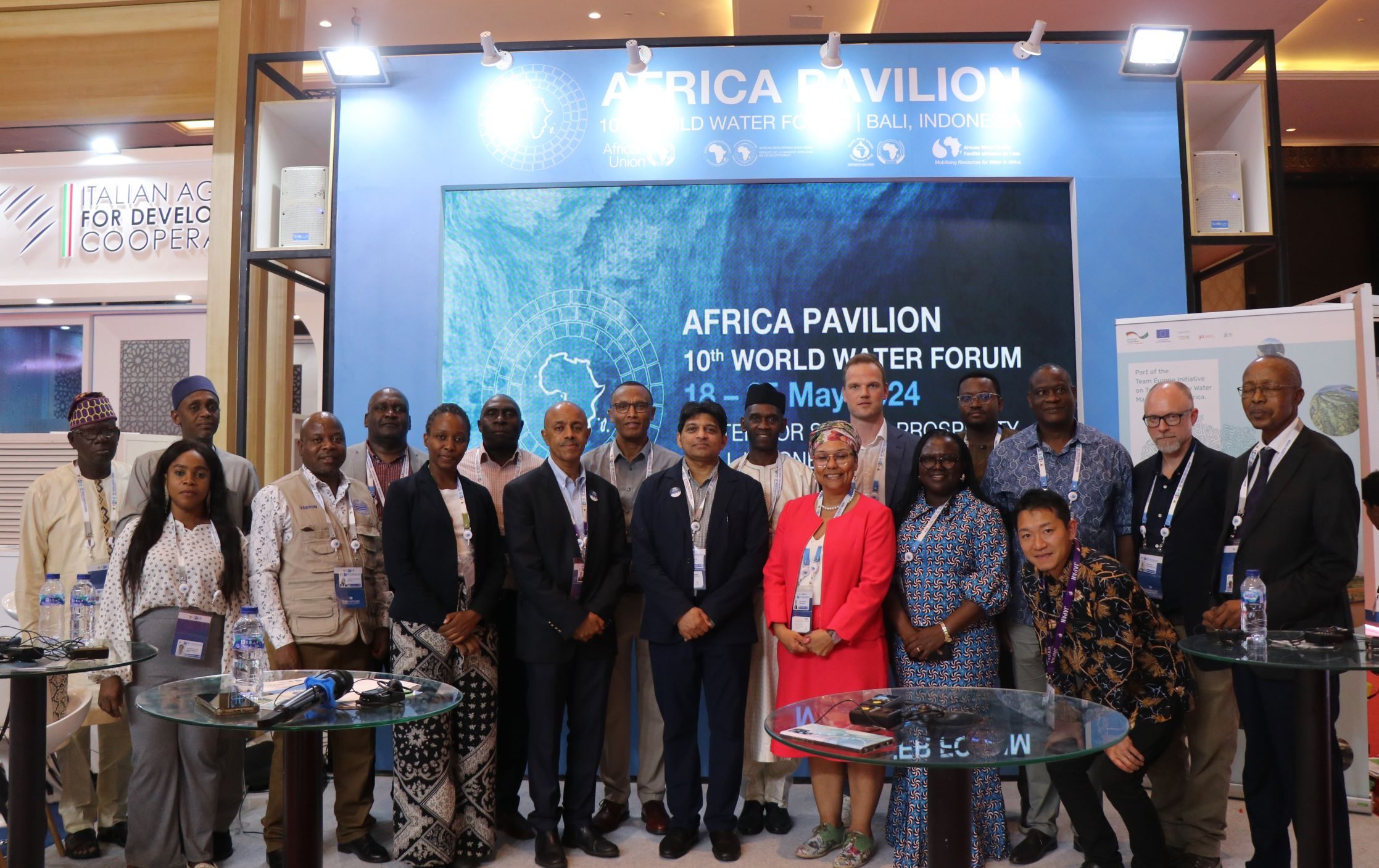
During WWF10, AMCOW facilitated Africa’s active participation across eight technical sessions, three special sessions, and two high-level panel discussions. These sessions addressed key themes such as climate finance, transboundary water management, sanitation economies, and gender and youth inclusion in water governance. AMCOW also co-hosted the Africa Pavilion with AfDB, which provided a space for engagement, networking, and knowledge-sharing among water and sanitation stakeholders.
The Africa Pavilion hosted seminars on various topics, including urban sanitation, private sector engagement, and water governance. One of the side events, AMCOW, in collaboration with DHI, hosted a knowledge management session on Building Strategic Knowledge Systems for Efficient Water and Sanitation in Africa. These sessions highlighted Africa’s innovative approaches to overcoming sector challenges and promoting sustainable water management solutions.
Impact and Outcomes
AMCOW ensured a solid and unified African presence at WWF10 through its leadership and coordination. Africa’s key messages emphasised the need for more significant investment in water infrastructure, the importance of climate resilience, and the potential for innovative financing models to drive progress. By championing these priorities, AMCOW helped shape the global water agenda, ensuring that Africa’s specific needs were addressed in the forum’s outcomes. AMCOW’s participation in WWF10 reinforced its commitment to driving progress in water and sanitation across the continent, aligning with the African Union’s Agenda 2063 and strengthening Africa’s voice on the global stage.
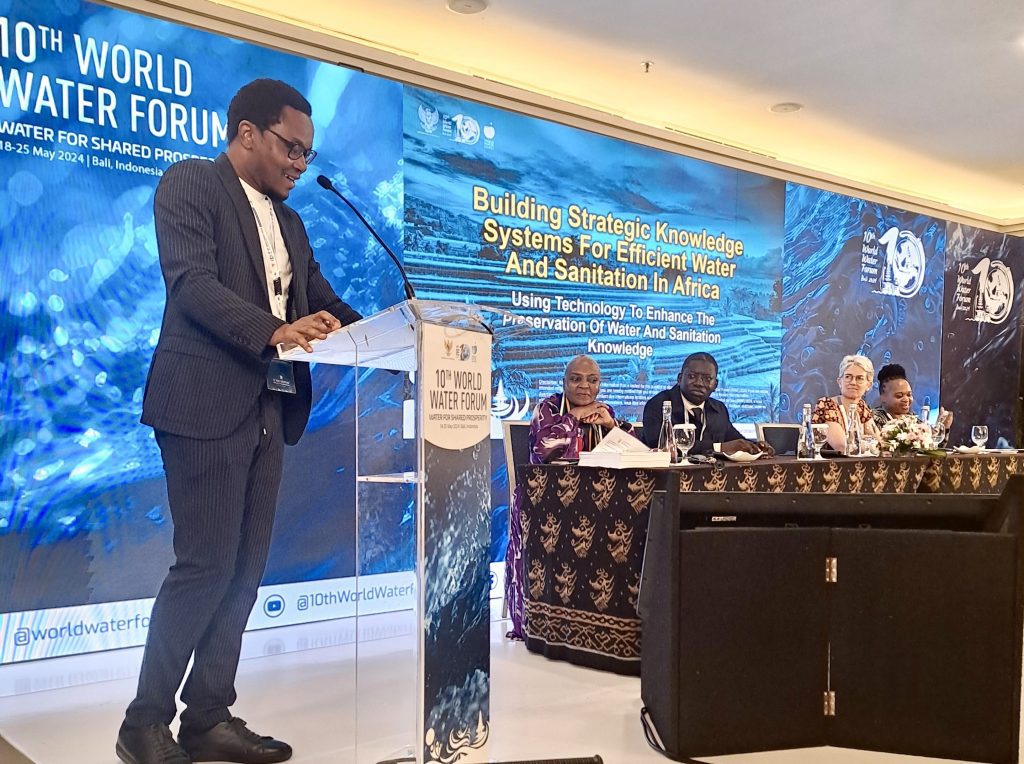
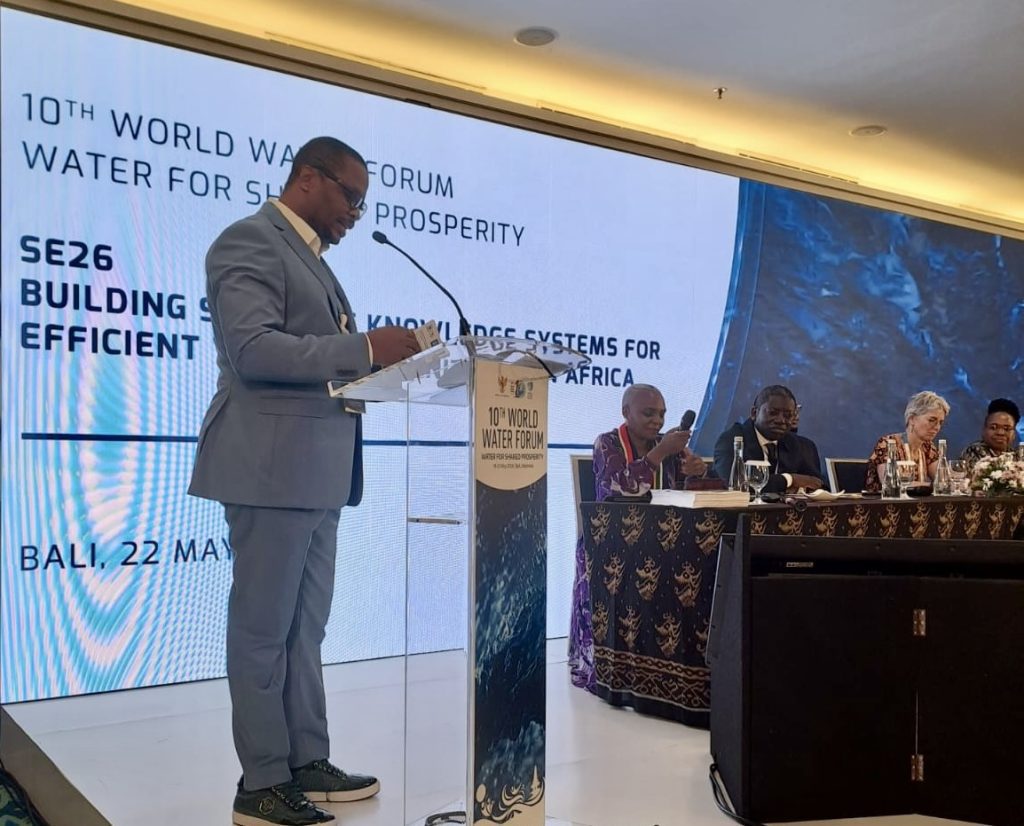
AMCOW and DHI organised a side event at the 10th World Water Forum. It was a very informative session on “Building Strategic Knowledge Systems for Efficient Water and Sanitation in Africa” from 8:30 to 10:00 AM in Kintamani 5.
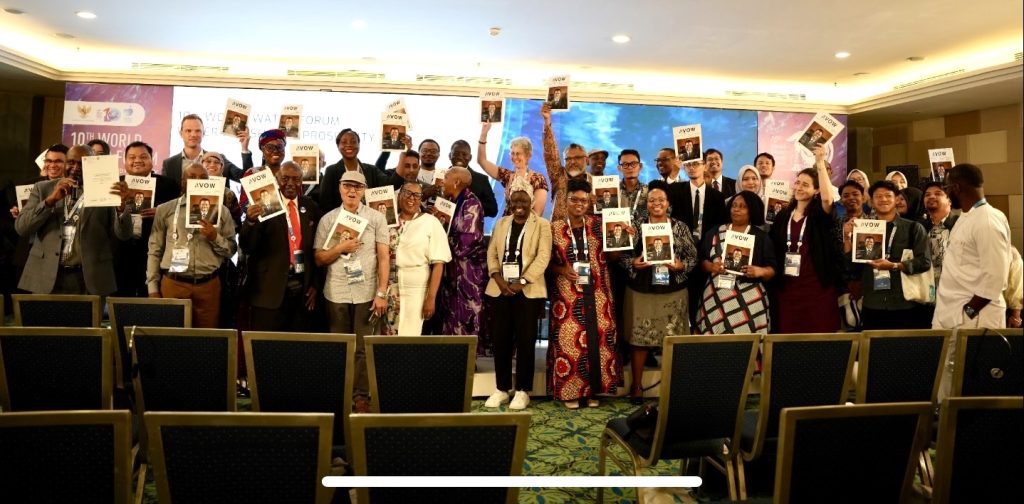
The session featured vital partners – South Africa’s Department of Water and Sanitation and the Ministry of Water and Sanitation, Senegal. It made a case for the essential role of knowledge management in enhancing water and sanitation services across Africa. Also, the session launched the second edition of Africa’s Voice on Water (AVOW) magazine. Overall, it was a huge step in promoting efforts for a water-wise Africa.
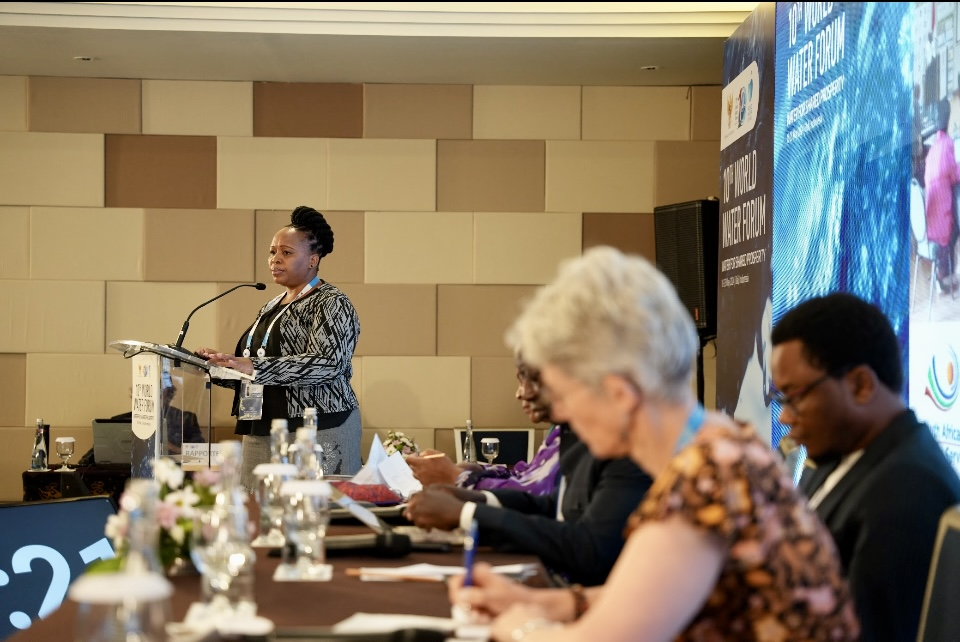
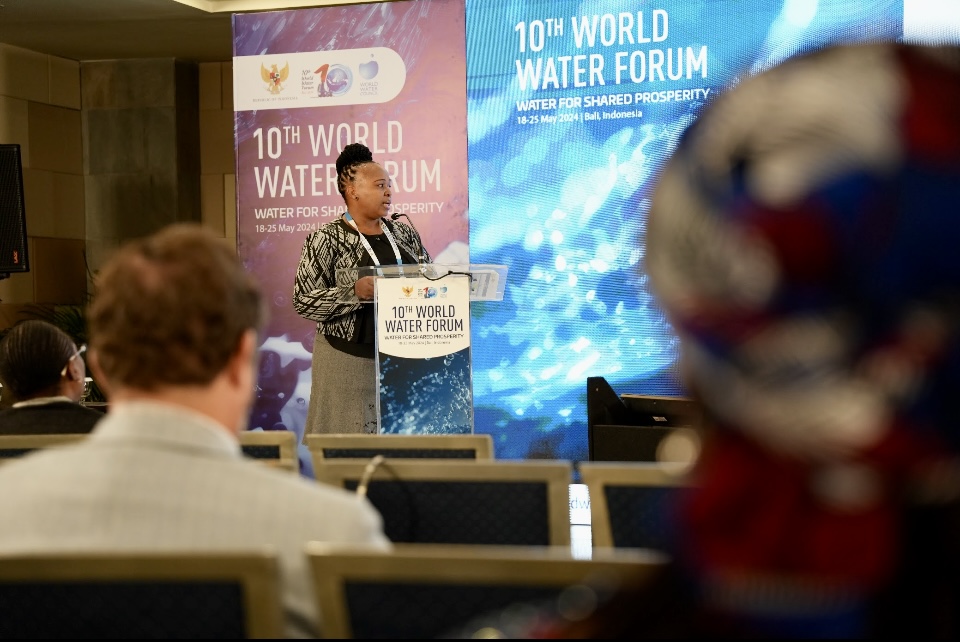
The Director of Knowledge Management at South Africa’s Ministry of Water and Sanitation, Ms Moshidisi Mokhele, presenting the Ministry’s Knowledge Management Strategy
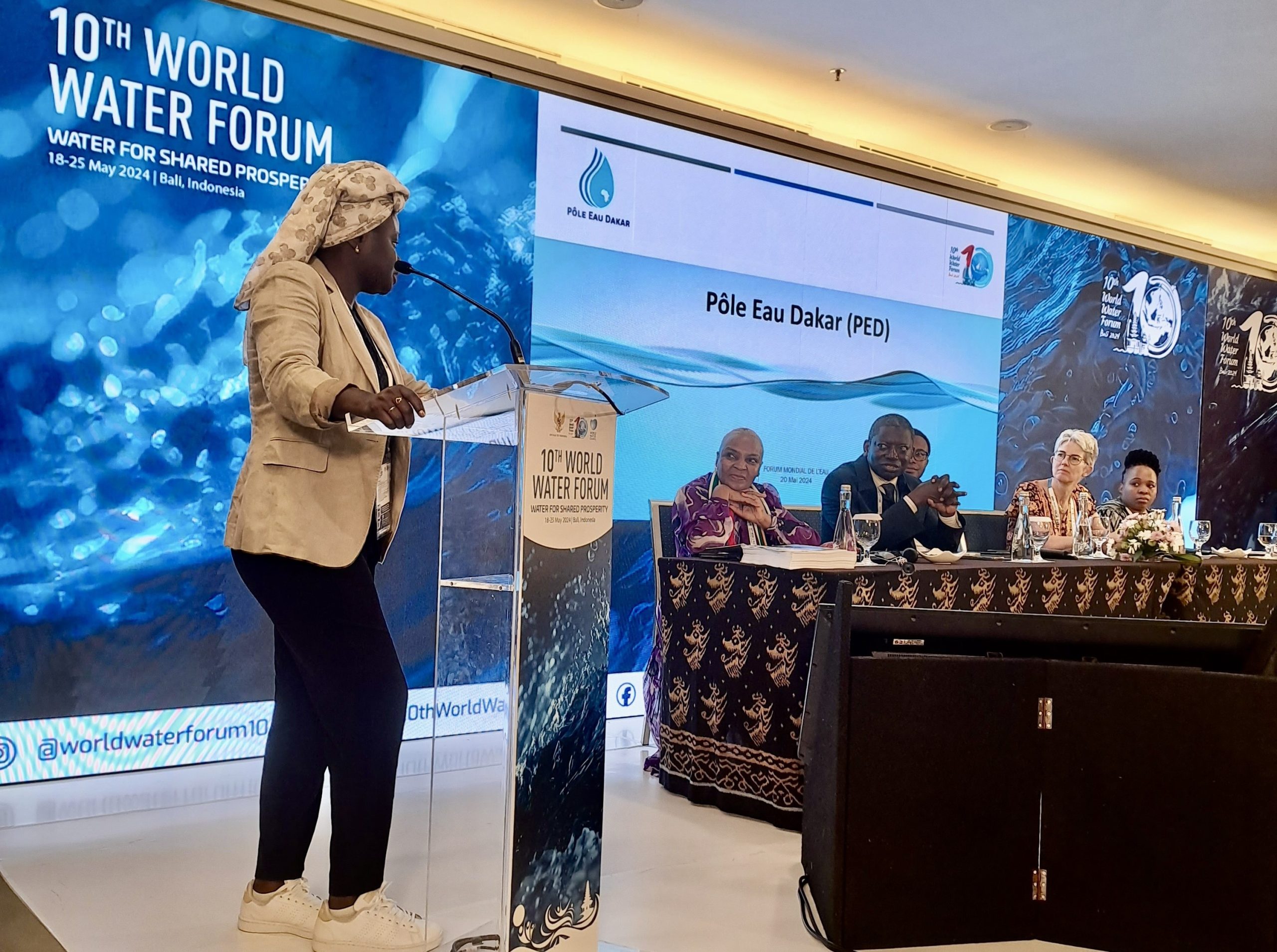
The AMCOW and DHI collaboration raises awareness about the benefits of establishing requisite knowledge systems – and showcasing South Africa’s Knowledge Management (KM) strategy for the water and sanitation sector. Senegal showcased Pôle Eau Dakar (PED), a digital solution for providing and improving access to water-related knowledge, guiding water-related investments and supporting informed cooperation and governance processes. Code Kraft, AMCOW’s software-building partner, took participants on a tour of AMCOW’s upgraded Knowledge Hub of Hubs. The blend of exercises gave insight into the long-term benefits of having a central continental repository for enhancing water resources management and delivering sustainable sanitation in Africa.
Shuaib Afegbua, Managing Partner at Code Kraft
The session highlighted challenges such as the lack of emphasis on knowledge management – as KM is often overlooked in favour of data and information management, leading to inadequate resources dedicated to KM initiatives. The session further highlighted other challenges, such as the transition from data to knowledge – the difficulty of moving beyond data management to actual knowledge creation and sharing. Also discussed was the issue of evidence-based policy development – strategies and policies are often not evidence-based due to insufficient insights into real situations.
Senegalese Knowledge Officer, Mary, presenting Pole Eau Dakar (PED)
The session further proffered innovative solutions, such as:
Developing Knowledge Championship: South Africa, like the AMCOW Secretariat, has deployed efforts to drive knowledge building and dissemination and enhance sector data and reporting by developing national-level knowledge focal points.
Sector Non-technical Database: AMCOW Secretariat unveiled an initiative to build a non-technical database of service providers across the continent – accessible on the knowledge hub of hubs – to accelerate private sector involvement in the sector and networking.
Senegal’s Pole Eau Dakar (PED): The Republic of Senegal is building a web-based open-access portal to facilitate access to knowledge to guide water and sanitation investments and support governance processes.
Participants join to launch the second edition of Africa’s Voice on Water (AVOW) magazine.
Participants were actively engaged throughout the session. A creative video of a football masterclass illustrated the difference between data and knowledge and captivated the audience. Attendees sought clarity on how rural stakeholders without internet access could be engaged. In response, consideration was given to establishing community knowledge centres to facilitate knowledge exchange in local areas. Senegal expressed how it applies quality control protocols in validating information and knowledge resources uploaded to online platforms.
DHI, South Africa, Senegal, and other partners will reconvene at World Water Week in August 2024 to consolidate their preparation for a robust KM programme.
AMCOW Knowledge Management, Communications and Visibility Officer Obinna Richfield Anah, facilitating the session.
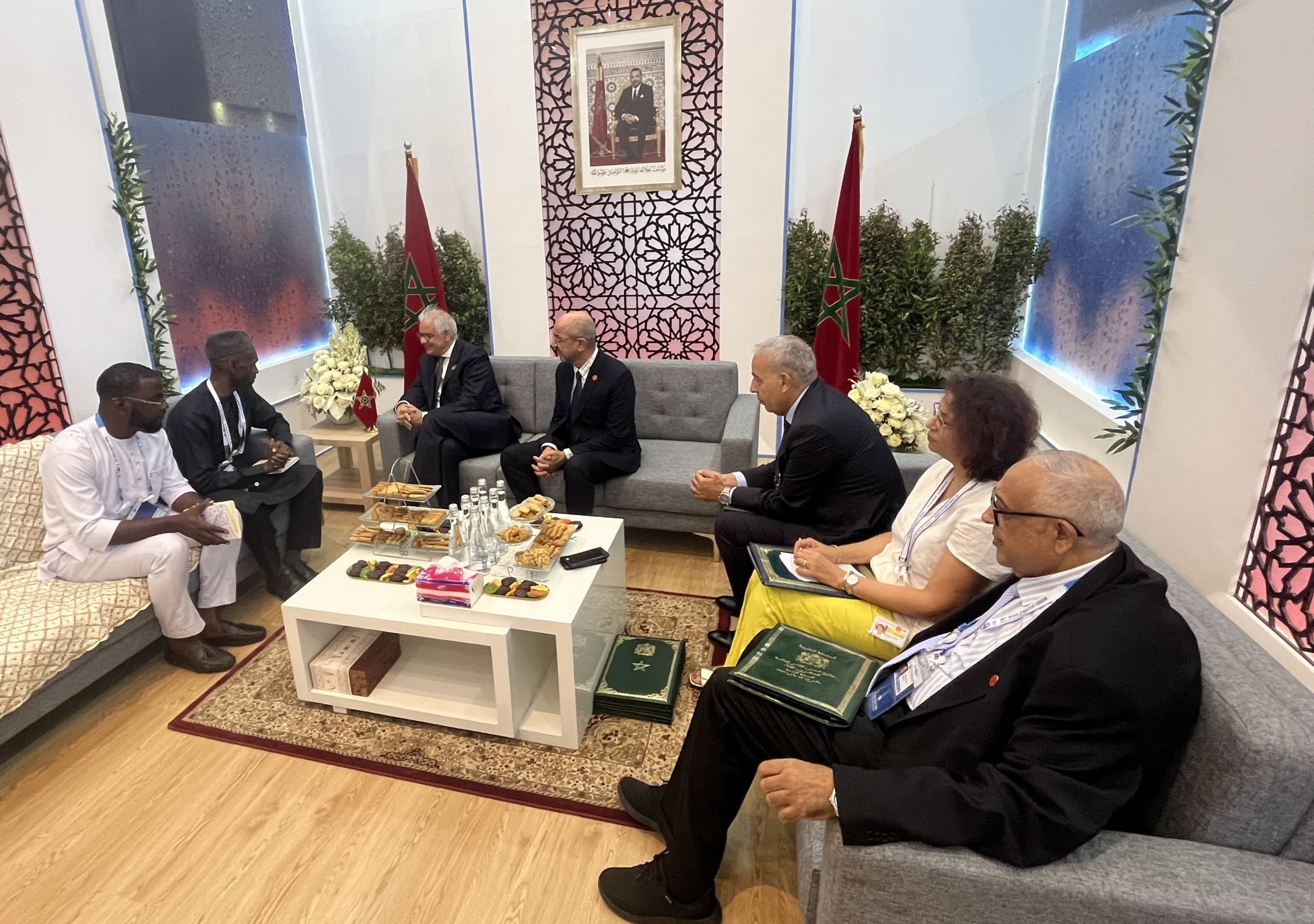
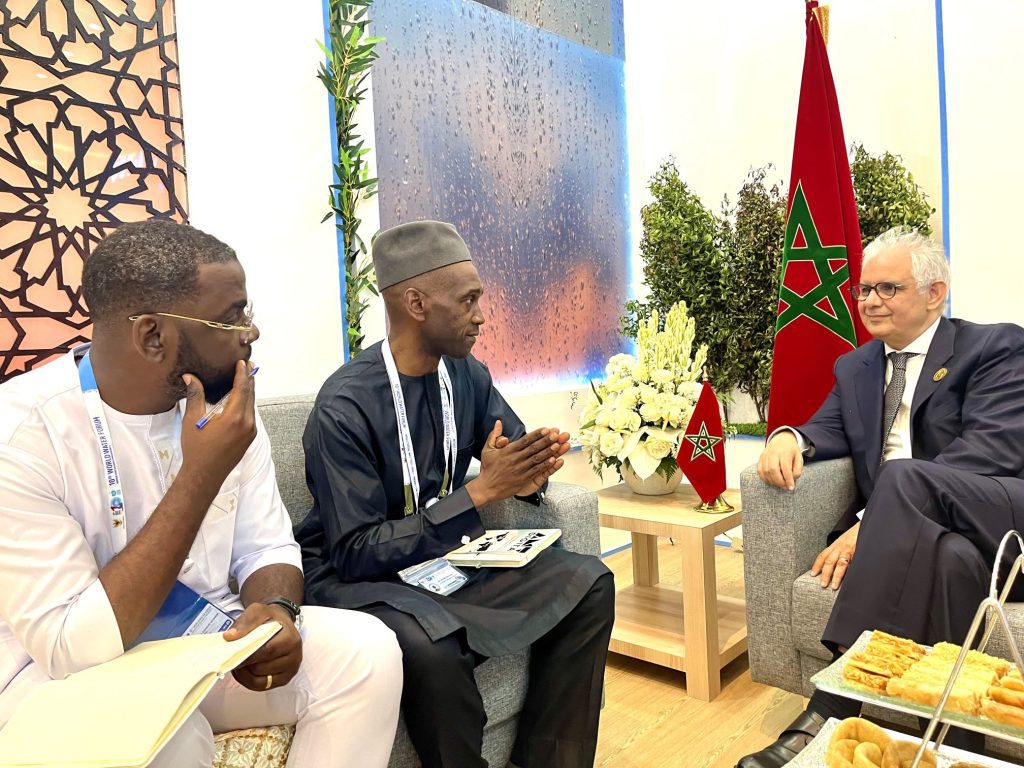
On the sidelines of the 10th World Water Forum, Dr Rashid Mbaziira, the Executive Secretary of the African Ministers’ Council on Water (AMCOW), paid a courtesy call to Nizar Baraka, the Hon. Minister of Equipment and Water of the Kingdom of Morocco. The meeting took place at the Moroccan Pavilion, where we discussed the Kingdom of Morocco’s strong commitment to AMCOW’s goals and its recent election into the AMCOW Policy Organs as Vice President for northern Africa for the 2025-2027 term.
During the meeting, the Executive Secretary thanked the Minister for strengthening Morocco’s commitment to AMCOW and apprised him and his team about the significant activities AMCOW is undertaking. Key among these is the implementation of the AMCOW Strategy, the preparation for the post-2025 Africa Water Vision and the upcoming Africa Water Week. The Executive Secretary emphasised the importance of Morocco’s continued support and encouraged the Minister to consider opportunities to back these initiatives.
(From left to right) AMCOW Monitoring, Evaluation and Reporting Officer Patrice Leumeni, Executive Secretary, Dr Rashid Mbaziira, Morocco’s Minister of Equipment and Water, Nizar Baraka.
The Minister of Water Resources, keen on the developments within AMCOW, inquired about the progress of a roadmap for the post-2025 Africa Water Vision. He stated, “We are glad to be identified with AMCOW, and as the vision is being developed, we are expectant and willing not only to align ourselves but also to provide the needed support to ensure that the vision is implemented.”
This meeting reflects the collaborative efforts between AMCOW and its member states, aiming to enhance water resource management and sanitation across Africa. The commitment from the Kingdom of Morocco sets a promising precedent for future initiatives and collective actions in addressing water challenges on the continent.
As the preparations for the post-2025 Africa Water Vision advance, the support and involvement of countries like Morocco will be vital in achieving sustainable water solutions for the region.
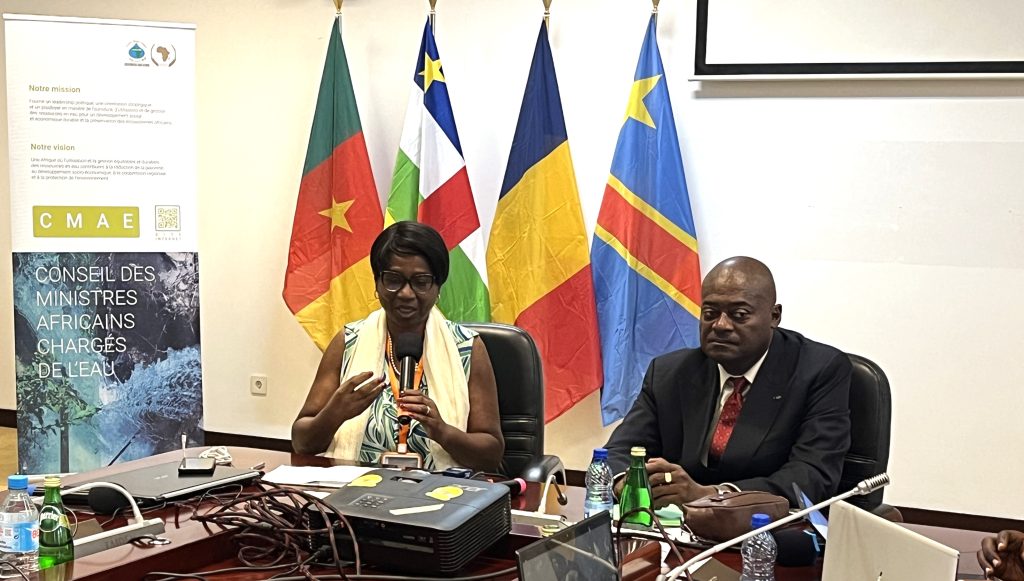
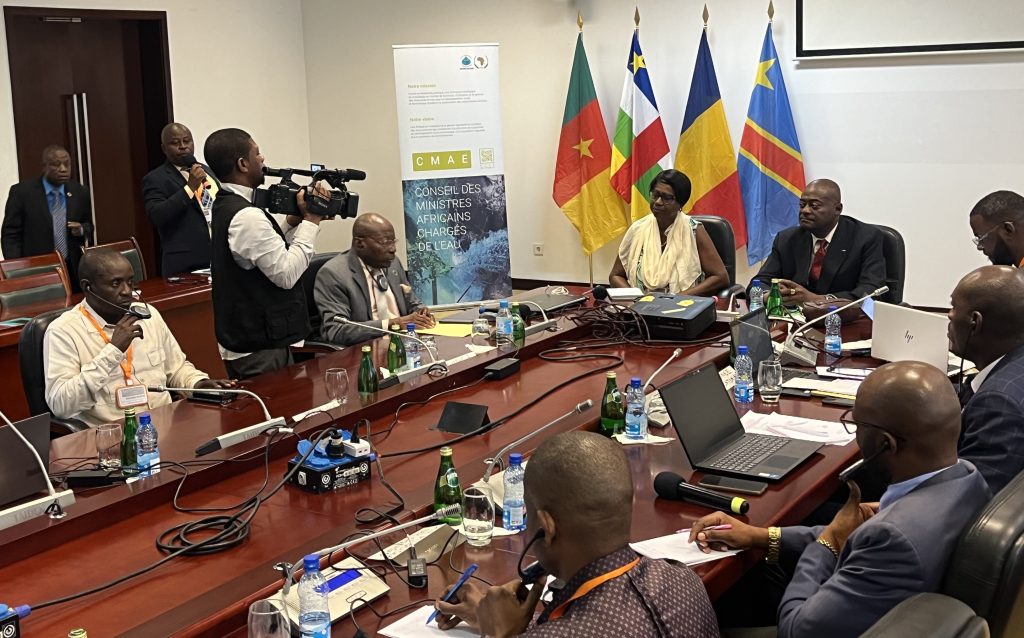
AMCOW’s statutory meeting of the Technical Experts Committee (TEC) and the Technical Advisory Committee of Central Africa occurred from 22 to 23 April 2024 in Malabo, Equatorial Guinea. The consultation convened representatives from AMCOW’s Central African member states, the Economic Community of the Central African States (ECCAS), the Lake Chad Basin Commission (CBLT), and other regional institutions, aiming to strengthen institutional linkages and operational arrangements while addressing emerging water-related challenges across the continent.
The key objectives of the meeting included apprising member states of the status of the implementation of the decisions of the 13th General Assembly of AMCOW. The meeting collated Central Africa’s inputs into Africa’s key messages and common position for the 10th World Water Forum. Also, the consultation witnessed the nomination of member states to represent Central Africa in AMCOW’s policy organs for the 2025-2027 tenure.
(Left) AMCOW Vice TAC Chair, Madam Ligia Barros, and (right) Minister of Fisheries and Water Resources, Honourable Francisco Medina Catalán, Equatorial Guinea.
The Minister of Fisheries and Water Resources, Honourable Francisco Medina Catalán, who opened the meeting and delivered the closing remark on the last day, warmly received the delegation. At the opening, the Minister expressed Equatorial Guinea’s pleasure in hosting the meeting and stressed that the country is committed to water resource management in Africa and willing to learn from the experiences of other member states. He highlighted the interconnectedness of water security and the recent food crises in Western and Central Africa. Hon. Francisco Medina Catalán urged collective support for Africa’s participation in global water forums led by AMCOW.
Subsequent statements from AMCOW Vice TAC Chair for Central Africa, Madam Ligia Barros, and representatives from ECCAS and CBLT underscored the importance of collaboration in addressing water management challenges. The TAC Vice Chair emphasised the need for increased regional coordination among the Central African member states and encouraged the delegates to participate actively in the upcoming World Water Forum.
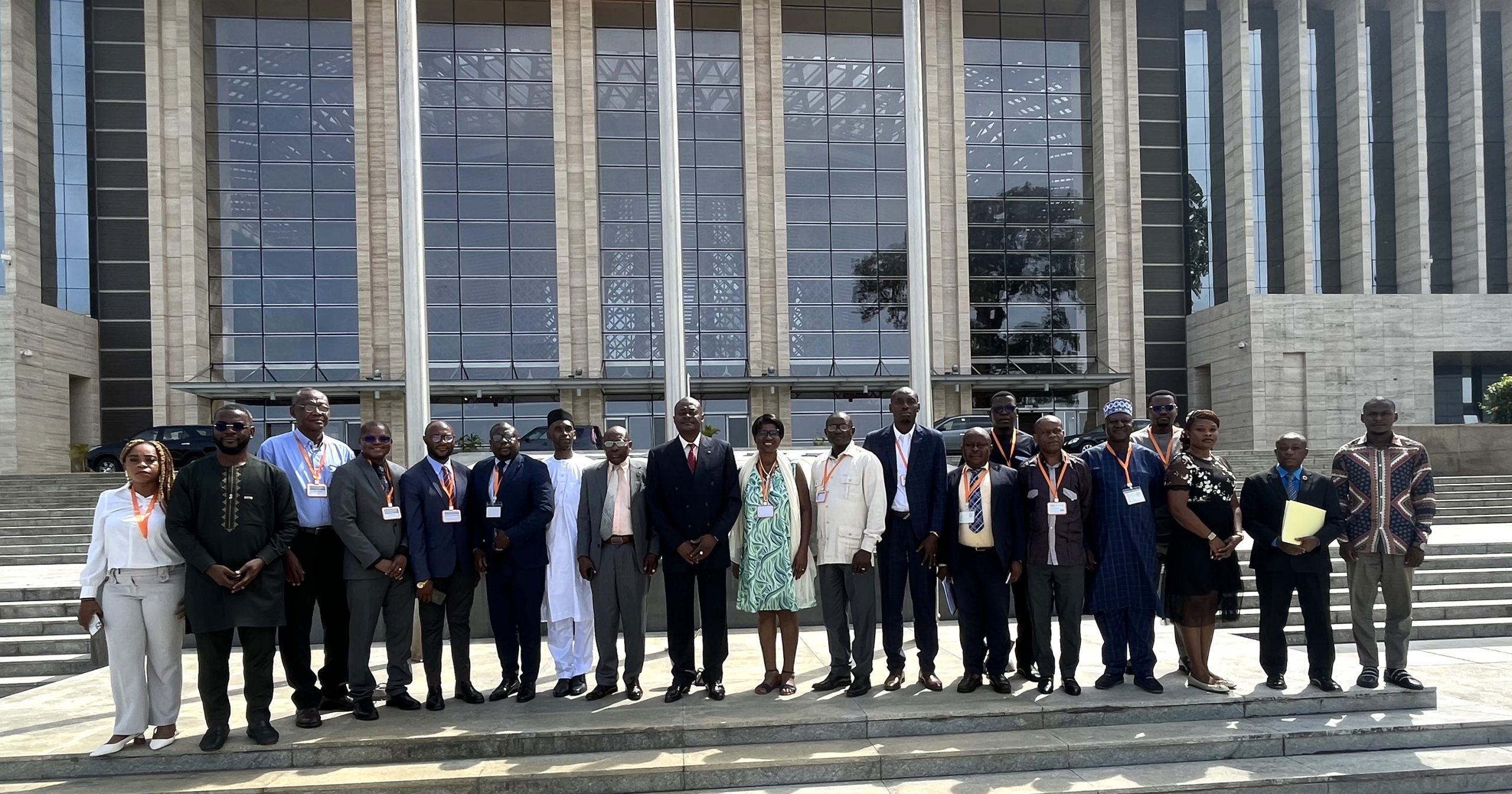
A cross-section of participants of the Central Africa sub-regional meeting
With all member states represented, including other participants from regional organisations, the consultation saw fruitful discussions and presentations. ECCAS shared its ongoing efforts to tackle water security challenges and stressed the importance of funding and collaboration for effective water management. Similarly, CBLT and the Global Water Partnership (GWP) presentations promoted water resource management, transboundary cooperation, and capacity building.
During the closing, Minister Francisco Medina Catalán expressed gratitude for the nomination of Equatorial Guinea as AMCOW’s Vice President for Central Africa for 2025-2027. Madam Ligia Barros appreciated all participants and acknowledged their engagement and interventions throughout the consultation. The AMCOW Central Africa Sub-Regional Consultation with TEC and TAC concluded with optimism and renewed energy to work together to deliver Africa’s water agenda.
The African Ministers Council on Water (AMCOW) has joined forces with key partners in an event to address critical issues surrounding gender, sanitation, and overall quality of life.
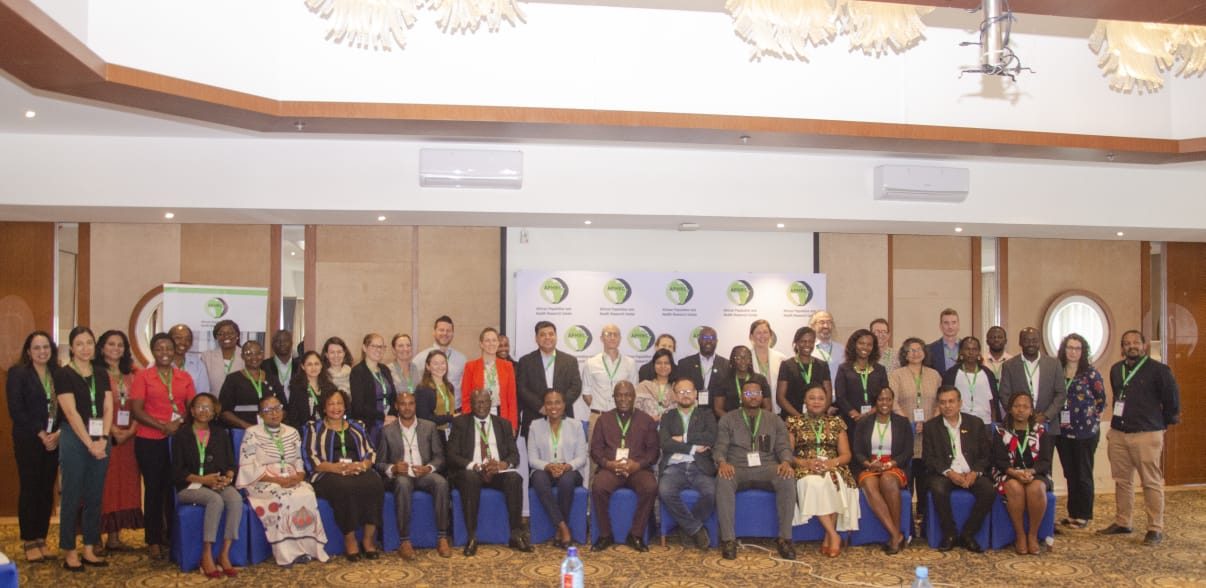
The event, titled “Convening on Gender, Sanitation, and Quality of Life: Accelerating Progress on Universal Access to Sanitation,” was organised by the African Population and Health Research Centre (APHRC) and the London School of Hygiene and Tropical Medicine (LSHTM). Supported by the Bill and Melinda Gates Foundation (BMGF), the meeting convened in Nairobi, Kenya, from February 7th to 8th, 2024. The primary objective was to chart a course of action linking gender, sanitation, and quality of life across policy, practice, and research.
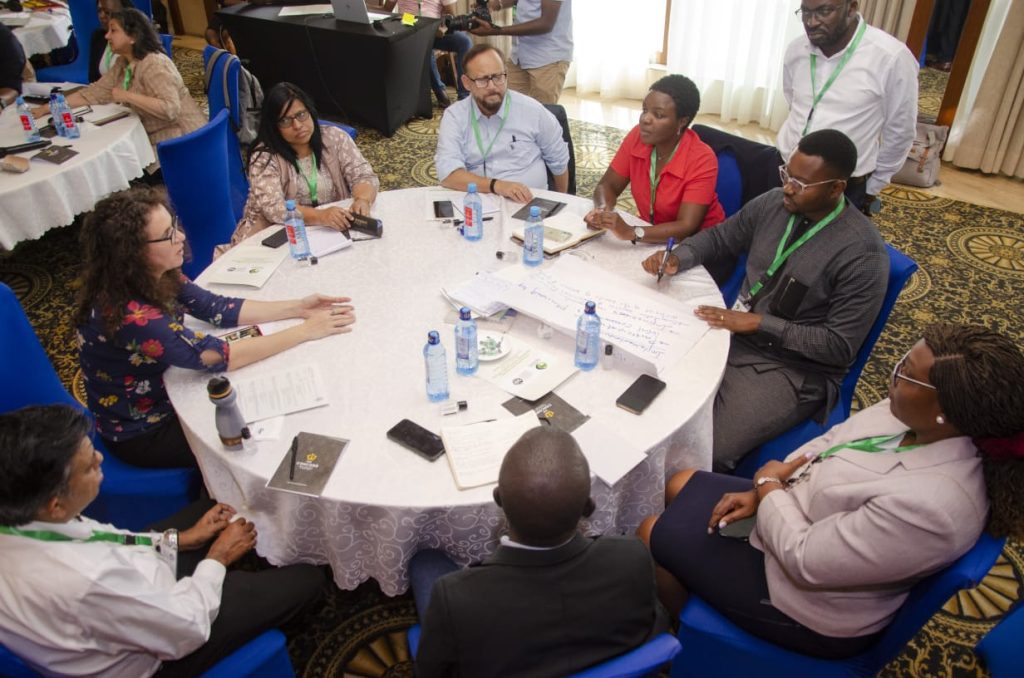
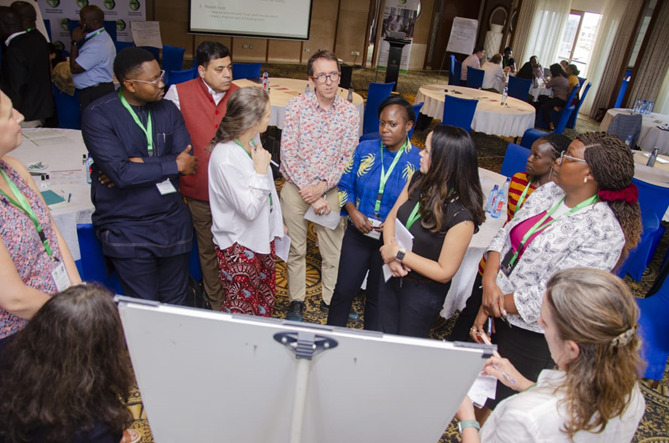
Participants of the gender convening engaged in a group knowledge-creation session.
AMCOW’s role was significant in the convening, represented by its Monitoring and Evaluation Support Officer and Youth and Gender Lead, Mr. Emmanuel Uguru. He provided regional perspectives and shed light on the intricate connections between sanitation, gender dynamics, and their impact on quality of life. He shared information on AMCOW’s strategic priorities, including monitoring and reporting the state of Africa’s water and sanitation to the African Union. Also, Mr Uguru apprised the participants of AMCOW’s new Youth and Gender Inclusion Strategy and the toolkit for mainstreaming gender and youth in Africa’s water and sanitation development agenda.
Participants of the convening brainstormed on suggestions collated from the group exercise.
The meeting underscored the urgency of ensuring universal and inclusive access to safely managed sanitation before the coming mid-term review of the Sustainable Development Goals (SDGs). As part of critical actions agreed upon during the event, the United Nations Entity for Gender Equality and the Empowerment of Women, the World Health Organisation and other key partners will collaborate in supporting AMCOW’s gender and youth initiatives in Africa. This partnership will focus on developing and validating gender-specific indicators to enrich reporting mechanisms. These partners will jointly develop and publish an academic article to provide insight into the intricate nexus between gender, sanitation, and quality of life. Also, a community of practice will be established and hosted on the AMCOW knowledge hub to sustain the relationship and momentum generated during the convening.
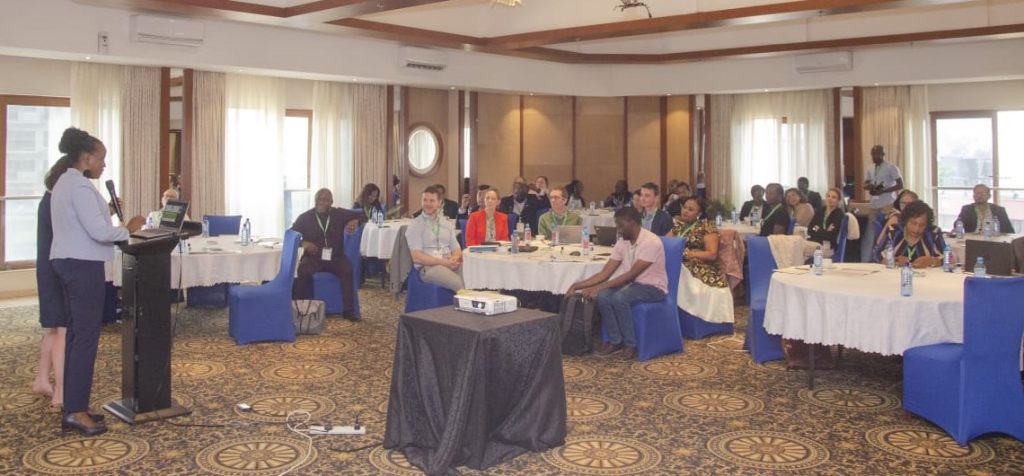
One of the plenary sessions of the gender convening organised by APHRC and LSHTM in Nairobi, Kenya.
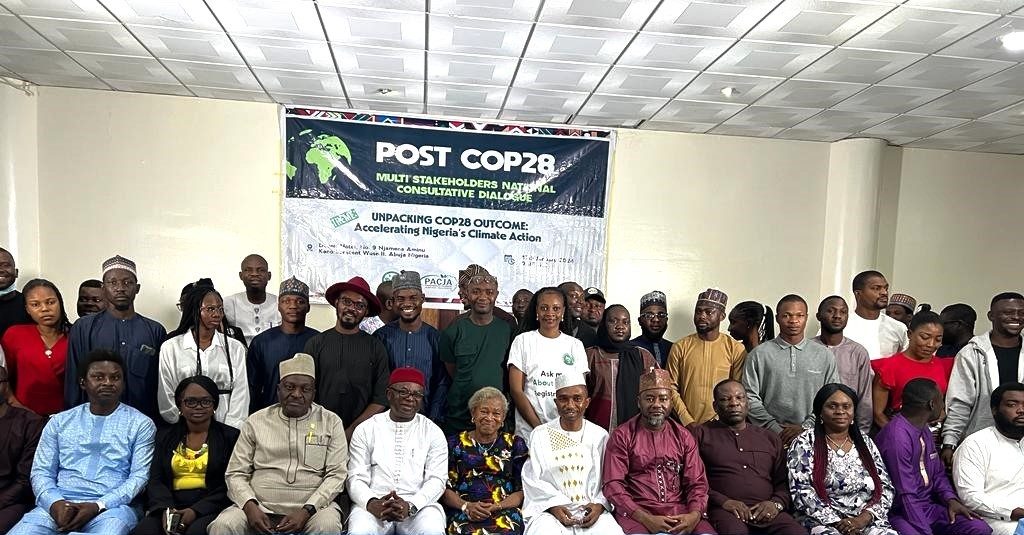
On Wednesday, 17 January 2024, the African Ministers’ Council on Water (AMCOW) advocated for climate action in a post-COP28 multistakeholder national dialogue organised by the Climate and Sustainable Development Network (CSDevNet).
The event, aimed at addressing climate change challenges, was held in Abuja, Nigeria, under the auspices of the Ministry of Water Resources and Sanitation. The consultation gathered vital stakeholders, including government officials, parliamentarians, and representatives of development partners.
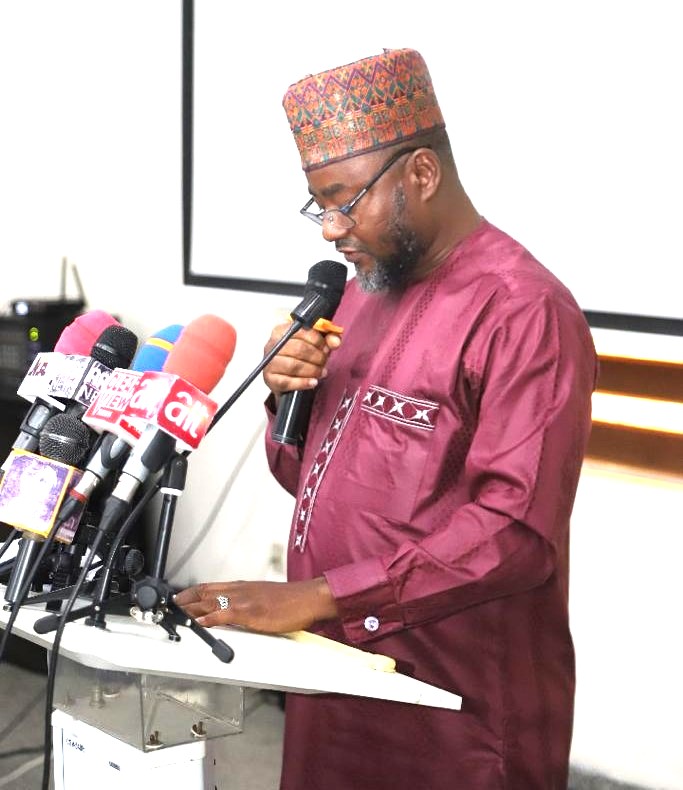
AMCOW’s Executive Secretary, Dr. Rashid Mbaziira, was represented by Dr. Tanko Azzika, Senior Policy Officer-Governance and Partnership. Azzika delivered a goodwill message, expressing warm greetings and Happy New Year 2024 on behalf of Dr. Mbaziira. While unable to attend in person due to conflicting schedules, Dr. Mbaziira conveyed his sincere apologies and eagerness to contribute to the dialogue.
Dr Tanko Azzika, AMCOW Senior Policer Officer-Governance, representing AMCOW’s Executive Secretary, Dr Rashid Mbaziira.
The dialogue focused on “Unpacking COP28 Outcome: Accelerating Nigeria’s Climate Action,” Azzika commended the organisers, the Climate and Sustainable Development Network and the Pan Africa Climate Justice Alliance (PACJA), for their efforts. He underscored the relevance of the discussion, considering the current climate challenges facing the continent.
In his opening remark, the Chairman of the Board of Trustees at CSDevNet, Prof. Ibrahim Choji, applauded the bold global decision to move away from fossil fuels. He observed its threats to livelihoods, ecosystems, and the essence of existence. However, the Chairman assured participants that COP28 presents an opportunity for better aspirations.
Azzika emphasised the essential role of water, sanitation, and hygiene as catalysts and solutions to climate change. He highlighted AMCOW’s mission of providing political leadership, policy direction and advocacy for sustainable water resource management in Africa. He stressed that the 2018-2030 Strategy of AMCOW prioritises water security, sanitation, water governance, and climate resilience as critical elements for sustainable development.
Drawing attention to the 2023 Report on Implementing the Sharm el-Sheikh Declaration, Azzika noted that climate change has hampered progress towards water and sanitation goals. He highlighted the urgent need to revitalise efforts to combat climate change, aligning with the African Union Agenda 2063.
African Union’s Senior Climate Change Advisor, Dr Sam Ogallah, stressed that Africa holds the key to resolving the global climate crisis – while demonstrating the continent’s possession of more than half the world’s essential minerals. “If we transition to renewables, electric vehicles, and other initiatives, where do you propose we obtain the essential minerals? They lie beneath our soil,” he said.
A key theme of the dialogue was the need for partnership, networking, and collaboration to address water-related challenges arising from climate change. Azzika called upon the government to prioritise climate-resilient financing, especially for vulnerable populations impacted by climate change.
Furthermore, Azzika called on stakeholders to support the Nigerian Government in utilising the African Sanitation Policy Guidelines (ASPGs) to enhance progress in achieving safely managed sanitation and hygiene.
The dialogue also addressed the importance of strengthening national-level data systems. AMCOW is operationalising the Africa Water and Sanitation sector reporting system (WASSMO) to address data quality challenges and meet reporting obligations at continental and global levels. Dr Azzika challenged participants to bring innovative and sustainable approaches to the table, urging the institutionalisation of the dialogue as an annual event. AMCOW looks forward to an action-oriented outcome document that will further accelerate climate action on both continental and global fronts.
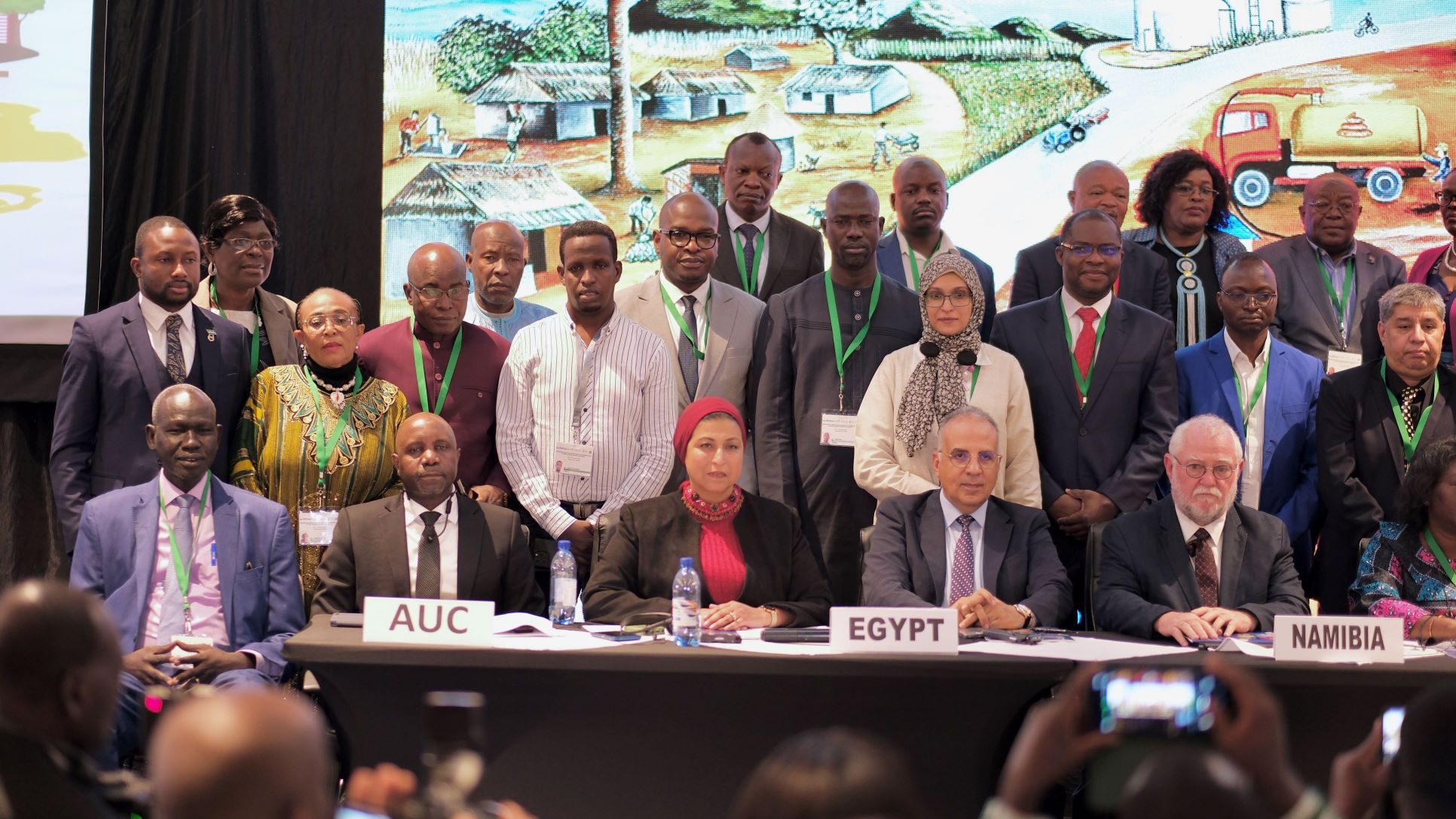
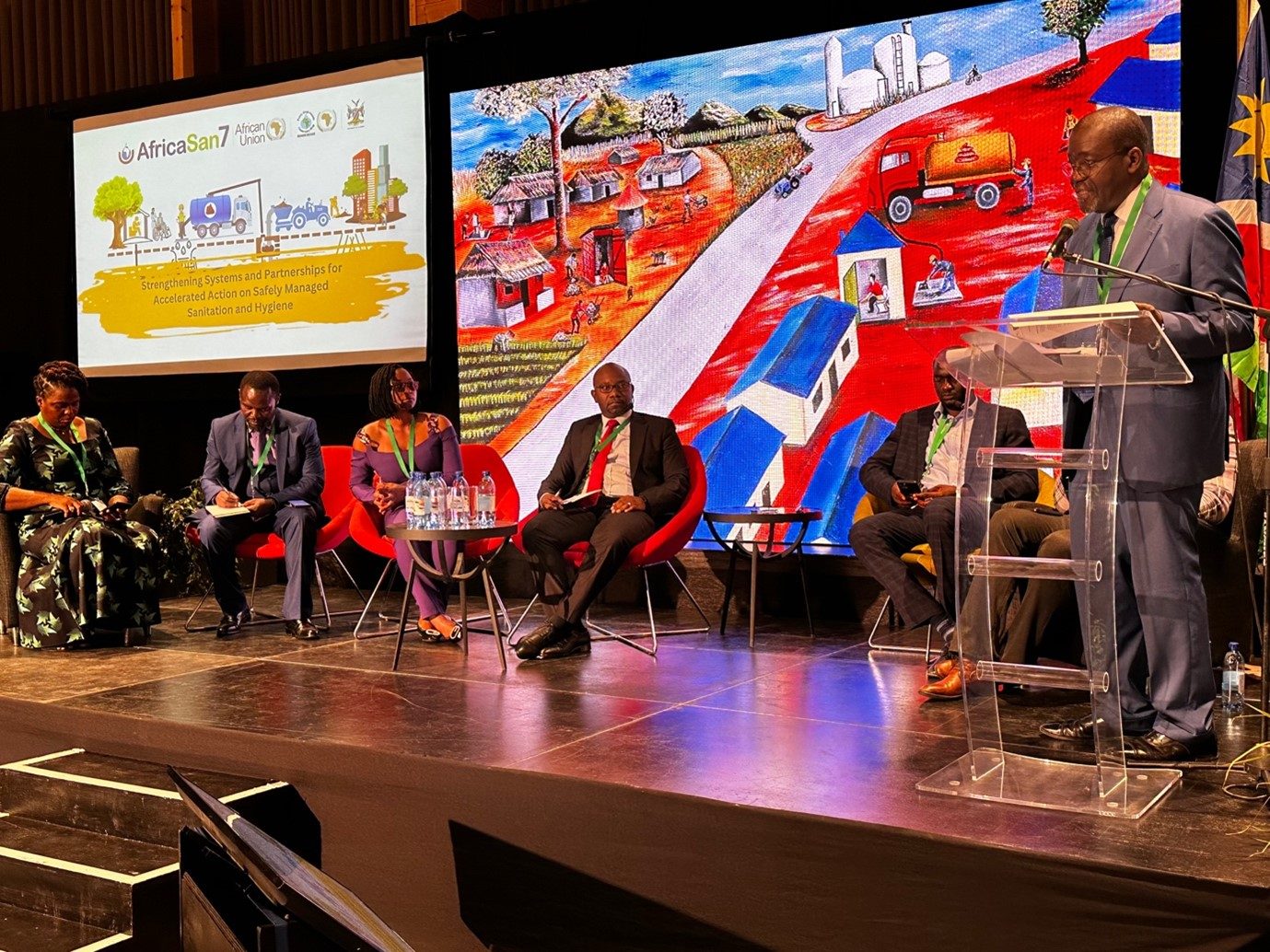
The AfricaSan 7 Conference, a flagship event for sanitation and hygiene in Africa, culminated on 10 November 2023 with a series of impactful sessions and declarations to foster accelerated actions for inclusive, sustainable, and resilient sanitation and hygiene services delivery across the continent.
The day kicked off with the screening of a short film showcasing Namibia’s commitment to sanitation, setting the tone for a day of insightful discussions and commitments.
Dr Rashid Mbaziira, the Executive Secretary of AMCOW, opened the day with an introductory statement highlighting the significance of collective efforts in addressing sanitation and hygiene challenges. He emphasised the role of partnerships and cooperation in achieving the African Ministers’ Council on Water (AMCOW) goals.
Hon. Carl Hermann Gustav Schlettwein, Minister for Agriculture, Water, and Land Reform of the Republic of Namibia and AWF Governing Council Chairperson, delivered a welcome statement, setting the stage for the subsequent sessions. This was followed by a statement from AMCOW President, Prof Dr Hani Sewilam, Minister for Water Resources and Irrigation of the Arab Republic of Egypt. In his remark, quoting the data from the 2022 Africa Water and Sanitation Sector Monitoring (WASSMO) Report, he called for increased efforts toward ensuring access to potable water for the over 400 million in need and access to safely managed sanitation and essential hygiene services to the approximately 800 million who do not have them.
H.E. Amb Josefa Leonel Correla Sacko, Commissioner of Agriculture, Rural Development, Blue Economy, and Sustainable Environment at the African Union Commission, was represented by the AUC’s Director of Agriculture, Rural Development, Blue Economy, and Sustainable Environment, Harsen Nyambe. He appreciated the collaboration of the Republic of Namibia and AMCOW in organising such an important conference. Also, he observed that Africa’s population, which is over 1.4 million people is overstretching existing sanitation services. Director Nyambe highlighted that the youth form the most part of this population and urged that they be included in sanitation-related decisions. The AUC representative further stressed that one of the major challenges faced in similar conferences has been the inability to implement the outcomes of the events. He, therefore, called on all participants and sector actors to ensure that the AfricaSan7 Conference Decisions are implemented.
One of the high points of the conference segment was the launch of the 2023 Ngor Report on Sanitation and Hygiene, shedding light on the status and future priorities in the sector. Before the launch, the conference viewed a film summarising the report’s findings, and copies were distributed to participants.
The AfricaSan8 Hosting Memorandum of Understanding (MoU) was signed between AMCOW Secretariat and the Republic of Ghana, represented by the Minister for Sanitation and Water Resources, Hon. Dr. Freda Prempeh. In her remarks, the Minister assured the conference that the Republic of Ghana is willing and ready to host the event and welcomes Africa and the world to AfricaSan8 in Accra, Ghana from 12 – 18 October 2025.
The conference received video-recorded goodwill messages from some representatives of some AMCOW partners: UNICEF’s Executive Director Catherine Russell, Director of the Water Development and Sanitation Department, Africa Development Bank, Osward Mulenga Chanda, World Water Council (WWC) President, Loïc Fauchon, and the USAID Global Water Coordinator/Senior Deputy Assistant Administrator Nancy Eslick.
Dr. T. E Ngurare directed the AfricaSan 7 Conference Closing Plenary, featuring cultural entertainment and a youth message resonating with the importance of intergenerational collaboration.
Session convenors delivered their collective message also, through a recorded video leading to the conference declaration. The occasion occurred with the reading of the Swakopmund Declaration on “Accelerated Actions for Inclusive, Sustainable and Resilient Sanitation and Hygiene Services Delivery in Africa” by Ms. Ndiyakupi Nghituwamata, AMCOW TAC Chair. Click on the links to download copies in English and French.
The day concluded with a high-level visit to the exhibition stands where the host Minister, Hon Carl Schlettwein, and the President of AMCOW Prof Dr Hani Sewilam in the company of other participants visited the exhibition booths. The event included anthems and a communal lunch, fostering networking and collaboration among participants.
Empowering Change in the Sanitation Sector – Insights from Local Authorities
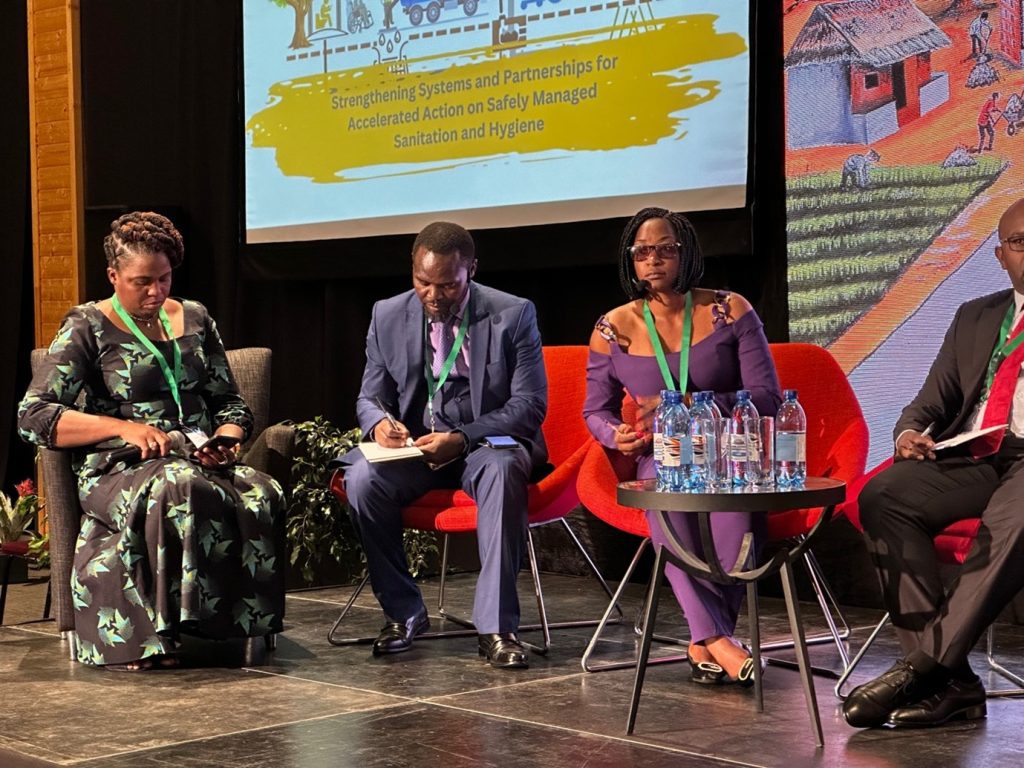
Panelists during the Local Authorities Dialogue on Day 2 of AfricaSan7 Conference
The AfricaSan7 Conference continues to serve as a platform for driving transformative change in the sanitation sector, particularly in the sphere of local authorities’ critical role in implementation.
Day 2 of the conference witnessed an enlightening plenary session highlighting the multi-sectoral approach essential for progress in sanitation. The session emphasised five key accelerators: financing, data and information, governance, capacity building, and technology and innovation, sparking discussions on initiatives beyond 2030.
Insights from Panel Discussions
Discussing the road to universal access, Namibia showcased measures, emphasising legal frameworks, revised water strategies, and substantial budget allocations across sectors to achieve universal access. On private sector involvement, Senegal highlighted the role of strong institutions and transparent responsibilities in involving the private sector, focusing on regulatory aspects, capacity building, and accountability. Zambia stressed innovation, discussing funding mechanisms, skills development, government cooperation, and technological challenges in the sanitation sector.
Governance’s Crucial Role and Notable Success Stories
The role of governance was emphasised, highlighting its interconnectedness with all accelerators in impacting the sanitation sector. Success stories from Kenya, Nigeria, and diverse regions like Burkina Faso, Tanzania, Egypt, Malawi, and Namibia showcased investments, partnerships, and executive support driving impactful change.
The session underscored that collaborative efforts, partnerships, capacity building, and innovative strategies are paramount to achieving the Sustainable Development Goals (SDGs) by 2030. Discussions also stressed the valorisation of costs related to purification stations, emphasising a circular economy approach.
Strengthening Sanitation Professionals: ‘Inspire’ and ‘SOS Programme’
The conference unveiled ‘Inspire,’ a groundbreaking capacity-building program targeting sanitation professionals, focusing on leadership, communication, and technical skills. With a bilingual approach and support from key partners, this initiative aims to bridge the gaps in knowledge and leadership. Notably, the program remains open to the public sector, civil society, and private entities, recognising the need for a holistic approach to solving sanitation challenges.
The ‘SOS Programme,’ a year-long initiative, emphasised the adaptation to technological advancements, regulatory frameworks, and economic aspects within the sanitation sector. The discussion revolved around the crucial role of the private sector and NGOs, stressing the importance of technical expertise, leadership, and advocacy skills.
Addressing Gender Equality, Youth Inclusion, and Social Aspects in Sanitation Policies
The session on gender equality, youth inclusion, and social aspects in sanitation policy underlined the need for policy harmonisation, evidence-based approaches, and promotion of women’s representation. Discussions highlighted AMCOW’s strategies, the engagement of civil society, and the imperative for evidence-based, gender-transformative practices in policy development.
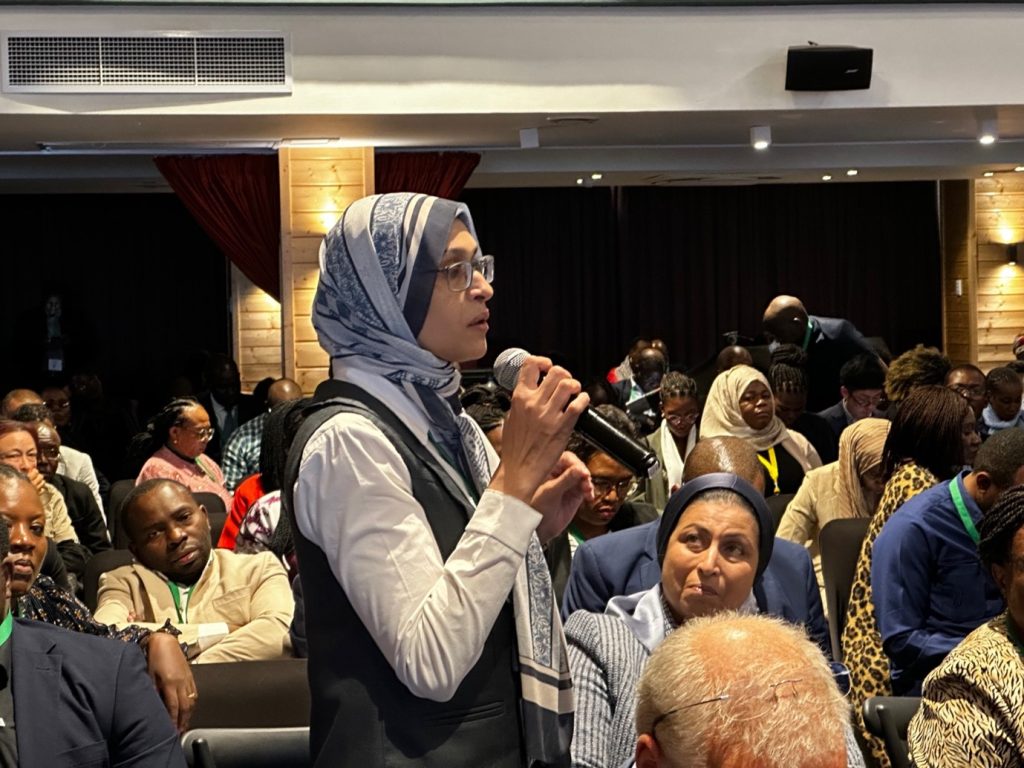
Participant making intervention during the plenary session on Day 2 of the AfricaSan7 Conference
Challenges and the Way Forward
Throughout these sessions, various challenges surfaced, including the need for broader accessibility through online training, language barriers, and refining partnership formats. The discussions emphasised the importance of refining approaches to ensure inclusive policies, harnessing technology and continuously adapting to the changing needs of the sanitation sector.
The AfricaSan7 conference continues to catalyse change in the sanitation sector. With dynamic discussions and collaborative insights, it aims to bridge critical gaps and foster sustainable solutions. As the event moves forward, the upcoming AFWASA event seeks to further this discourse, focusing on sanitation and water management.
The cumulative efforts showcased at the conference underline the significance of collaboration, evidence-based decision-making, and innovative strategies to achieve impactful and sustainable change in the sanitation sector.
The Day 2 sessions at AfricaSan7 unveiled transformative initiatives, acknowledged challenges, and emphasised collaborative efforts across sectors. As the conference progresses, it remains a platform for effective exchanges, assuring a sustainable future in the sanitation sector. With initiatives like ‘Inspire’ and discussions on local authorities and gender equality, the drive for change and innovation remains at the forefront.
On the AfricaSan7 platform, relevant actors can continue to unite and collaborate to steer the sanitation sector towards achieving safely managed sanitation in Africa.
Stay tuned for more updates from AfricaSan7 and the continued efforts in advancing Africa’s sanitation and hygiene.
Disclaimer: We‘d like to point out that the information and initiatives shared are based on the latest sessions and discussions at the AfricaSan7 conference and may be subject to further developments and updates.