
News
The African Ministers’ Council on Water (AMCOW) is leading the Africa Regional Process for the 11th World Water Forum, scheduled to take place from 21–25 March 2027 in Riyadh, Kingdom of Saudi Arabia, under the theme “Action for a Better Tomorrow.”
Through this role, AMCOW is working with Member States and partners to ensure that Africa’s water and sanitation priorities are reflected in global discussions and translated into practical commitments, partnerships and investments.
As coordinator of the Africa Regional Process, AMCOW, in collaboration with its partners, has developed five technical sessions for the Forum, focusing on:
- Water and Sanitation as Drivers of Health, Productivity, and Economic Growth
- Strengthening Integrated Water Resource Management and Transboundary Cooperation Across Shared Basins
- Financing Climate-Resilient Water Infrastructure in Africa
- Strengthening Water Security through Data Sharing Among Riparian States
- Advancing Water Security through Gender Empowerment and Community Engagement
Preparations for the Africa Regional Process have attracted expressions of interest from 20 co-coordinators, 29 speakers and 13 experts. AMCOW will also draw on its Partners Coordination Platform to strengthen collaboration and ensure that Africa’s priorities are effectively represented at the Forum.
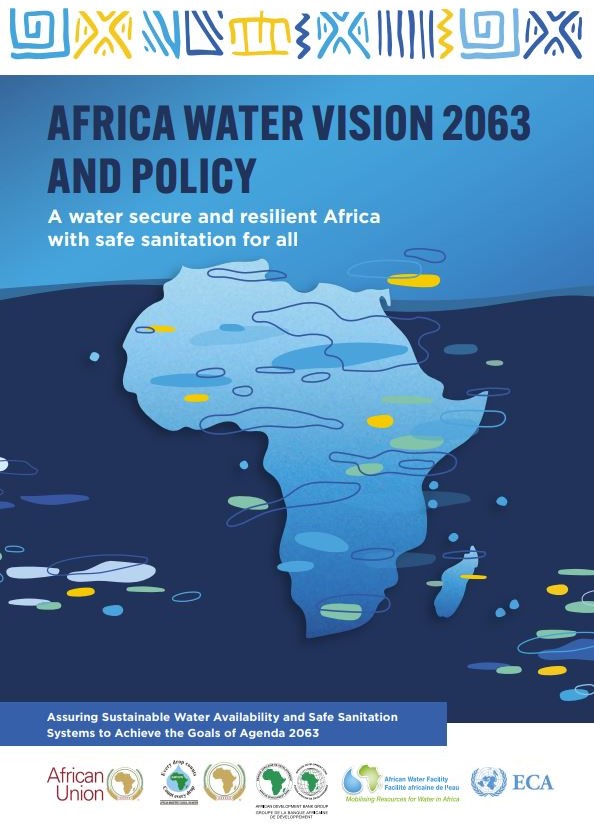
Connecting the Africa Water Vision 2063 and Policy to the World Water Forum
At the 9th Cairo Water Week, during the session “From Cairo to Riyadh: Turning Water Dialogue into Action at and Beyond the 11th World Water Forum,” AMCOW highlighted the strategic priorities of the Africa Water Vision 2063 and Policy, the opportunities it presents, and the partnerships and support needed for its implementation.
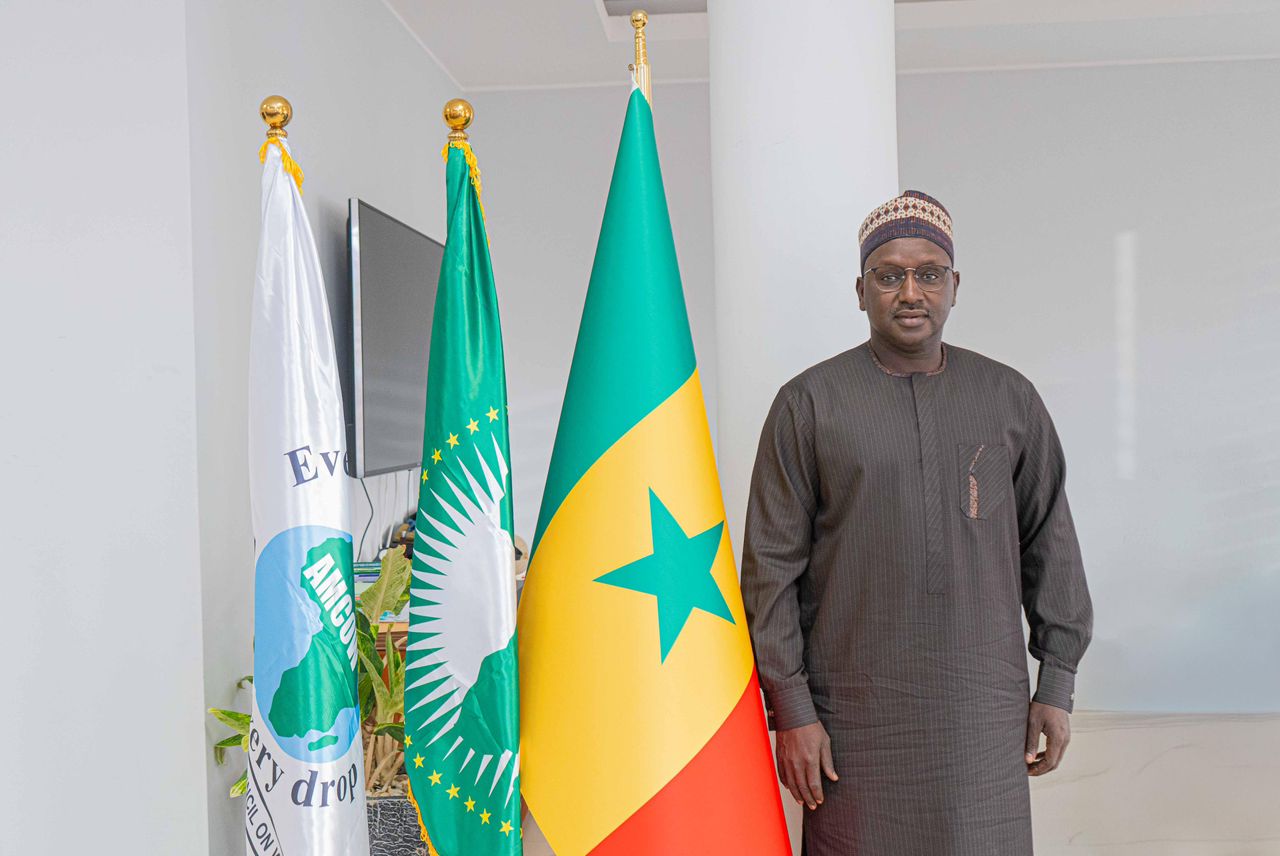
In his intervention, AMCOW Acting Executive Secretary, Mr Nelson Gomonda, reflected on the longstanding relationship between Africa’s water agenda and the World Water Forum process. He recalled the Forum’s role as a platform for the launch of the Africa Water Vision 2025 in 2000 and its contribution to processes that supported the establishment of the African Water Facility.
These milestones demonstrate the value of international water platforms in advancing Africa’s priorities. The 11th World Water Forum presents another opportunity to move from shared ambitions to practical action.
The Africa Water Vision 2063 and Policy, endorsed by African Heads of State and Government at the 39th African Union Summit in February 2026, establishes a continental framework that positions water and sanitation not only as essential social services, but also as strategic drivers of economic transformation, regional integration and sustainable development.
Strategic Focus of the Africa Water Vision 2063 and Policy
The Vision seeks to achieve “a water-secure and resilient Africa with safe sanitation for all,” contributing to the broader aspirations of the African Union’s Agenda 2063.
It is structured around four strategic pillars:
Economy and Society: Accelerating universal access to safely managed water, sanitation and hygiene services while integrating water security and productivity into national economic planning.
Diplomacy, Peace and Security: Strengthening transboundary water cooperation and positioning shared water resources as drivers of regional integration, trade, peace and security.
Sustainability and Resilience: Protecting aquatic ecosystems, advancing the blue economy and strengthening climate resilience, including disaster preparedness and early warning systems.
Innovation, Capacity and Information: Strengthening institutional governance, human capacity, innovation and interoperable data systems to support evidence-based policymaking and sustainable water management.
Opportunities for Alignment and Partnerships
The Africa Water Vision 2063 and Policy provides a framework for strengthening cooperation and accelerating progress in several areas.
These include recognising water as an economic asset that supports green industrialisation, energy security, food production and sustainable growth; advancing the circular sanitation economy through resource recovery and opportunities for green jobs; and mobilising investment in inclusive, climate-resilient water and sanitation infrastructure, including shared and transboundary systems.
The Vision also places emphasis on strengthening the participation of women, young people and vulnerable groups in water governance, economic opportunities and decision-making.
Leveraging the 11th World Water Forum to Advance Implementation
The 11th World Water Forum offers an important opportunity to mobilise the technical, financial and institutional partnerships required to implement the Africa Water Vision 2063 and Policy and its First Implementation Plan (2026–2033).
Priority areas include:
Bridging the financing gap: Mobilising resources for programmes under the First Implementation Plan, strengthening domestic resource mobilisation and promoting innovative financing mechanisms and appropriately structured public-private partnerships. The Forum also provides an opportunity to review commitments and mobilise additional resources for the African Water Facility, hosted by the African Development Bank.
Accessing multi-country climate finance: Strengthening the capacity of basin organisations and regional institutions to access climate finance for shared water resources management and transboundary climate adaptation programmes.
Strengthening digital and interoperable governance: Building partnerships to improve data sharing, digital information systems and predictive analytics that support evidence-based decisions across national boundaries.
Strengthening accountability for implementation: Supporting the rollout of the First Implementation Plan through monitoring frameworks, mutual accountability mechanisms and country-level commitments that enable progress towards the Vision’s objectives to be tracked.
Through its leadership of the Africa Regional Process, AMCOW will continue working with Member States, regional institutions and development partners to ensure that Africa’s priorities are reflected in the outcomes of the 11th World Water Forum.
The focus is on ensuring that Riyadh provides more than another opportunity for dialogue, serving instead as a platform for mobilising the partnerships, investment and concrete actions needed to advance the Africa Water Vision 2063 and Policy.