
Contacts

11 TY Danjuma Street, Abuja Nigeria

info@amcow-online.org
secretariat@amcow-online.org

+234 9096074166

Category: News

VA – Launch of the Africa Urban Sanitation Investment Initiative _600x400
News

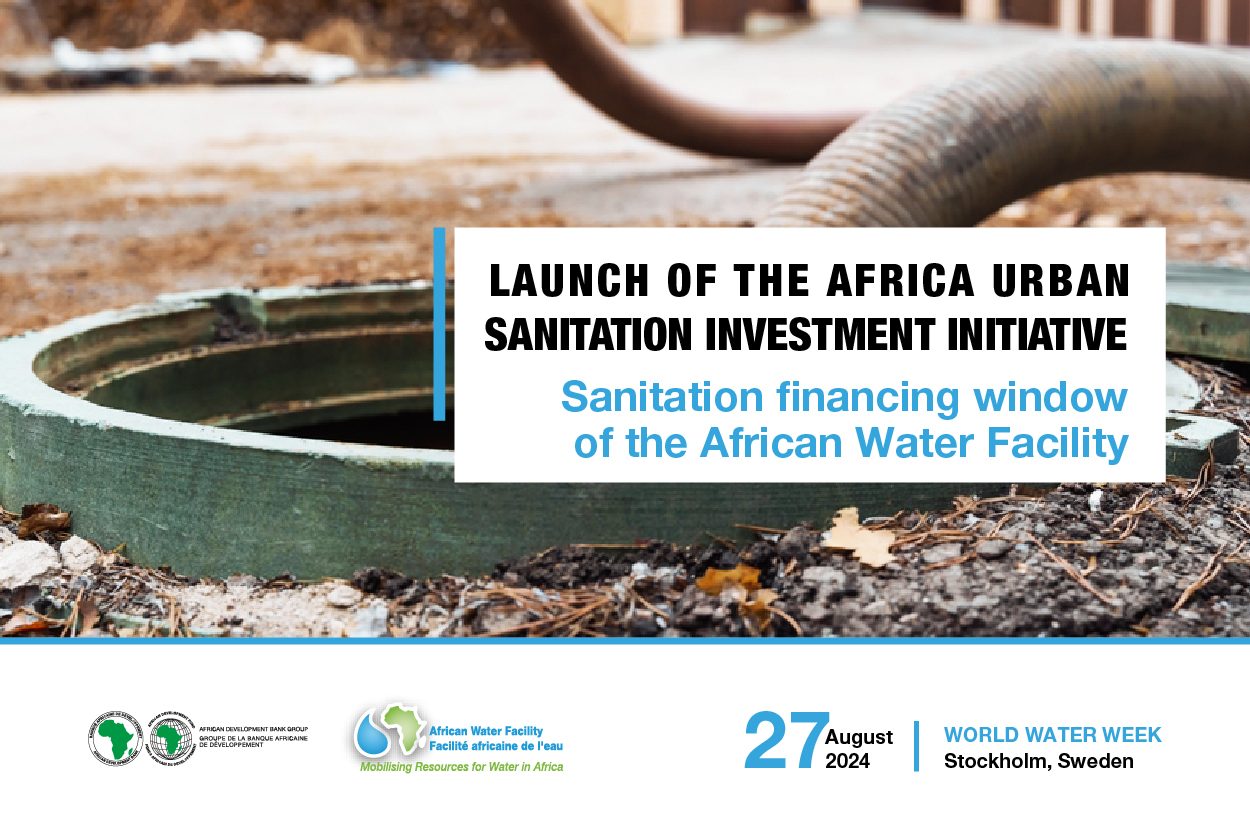
AMCOW lauds AWF’s Launch of the Africa Urban Sanitation Investment Initiative (AUSII)

The African Water Facility (AWF) – as an initiative of the African Ministers Council on Water (AMCOW), hosted and managed by the African Development Bank – has officially launched its groundbreaking Africa Urban Sanitation Investment Initiative (AUSII) at the 2024 World Water Week in Stockholm. Hon. Carl-Hermann Gustav Schlettwein, Minister for Agriculture, Water, and Land Reform, Namibia, Chair of the African Water Facility Governing Council, graced the launch event. Key stakeholders from across the water and sanitation sectors and development partners across the globe attended the event.

In his address, Dr Rashid Mbaziira, Executive Secretary of the African Ministers’ Council on Water (AMCOW), highlighted the critical need for innovative solutions to tackle the severe sanitation challenges faced by the urban populations across Africa. “Over 50% of our rapidly growing urban population lacks adequate sanitation services,” he noted. “This translates into an estimated annual economic cost of $40 to $50 billion due to sanitation failures.”

The AUSII aims to reverse this trend by promoting a paradigm shift from conventional infrastructure investments to an inclusive, climate-resilient approach tailored to the diverse needs of Africa’s cities. Over the next decade, the initiative is set to directly improve sanitation access for 15 million urban inhabitants through 50 carefully prepared projects. Furthermore, it aims to mobilize $7 billion in commercial and concessional finance to bolster public and private sector sanitation projects.

Dr Mbaziira emphasised that the initiative is crucial to achieving the Africa Water Vision 2025 targets and the Sustainable Development Goals (SDGs) set. “Sanitation is a fundamental human right critical to public health, environmental sustainability, and overall well-being,” he said. He underscored the importance of private sector involvement, noting that AUSII will encourage investments from small and medium enterprises (SMEs) to drive sustainable urban sanitation solutions.

At the beginning of his statement, Dr Mbaziira led the participants in observing a moment of silence in honour of the late Albert Diphoorn. Bert, as he was popularly known, was a key figure and played a key role in the establishment of the Africa Water Facility, whose contributions to the sector remain impactful today.

Reflecting on the broader impact of the initiative, Dr Mbaziira expressed confidence in AUSII’s ability to transform Africa’s urban sanitation landscape. “The commitment of AMCOW member states to this initiative is firm,” he said. “We are injecting new approaches to increase domestic allocations to the sector, ensuring inclusive and climate-resilient water security across the continent.”

As the first of its kind, the AUSII launch sets the stage for continued progress in Africa’s water and sanitation sectors. Stakeholders and funding partners, including the African Development Bank and the Bill & Melinda Gates Foundation, were lauded for supporting this initiative.

The AUSII will have a second launch at the upcoming Africa Water Week in Cairo, scheduled for October 2024, where further discussions will be held to ensure its successful implementation across the continent.

To read Dr Mbaziira’s full remarks, click the following link: https://amcow-online.org/amcow-executive-secretarys-remarks-at-the-africa-urban-sanitation-investment-initiative-ausii-launch/

For further information, visit AWF’s official website at https://www.africanwaterfacility.org/ or contact Mar Ajayi M.AJAYI@AFDB.ORG

Eswatini-225×300
News

AMCOW ES Courtesy call on His Royal Highness, Minister for Natural Resources and Energy, Eswatini

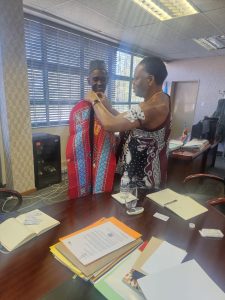
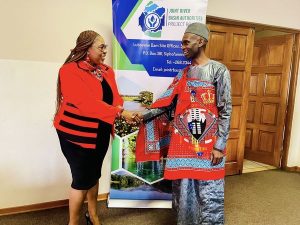
On 25 July, the Executive Secretary made a courtesy call on the Honourable Minister for Natural Resources and Energy, His Royal Highness Prince Lonkhokhela. Underscoring water as an essential ingredient of ambitions for food and energy security; employment creation; human and environmental health; trade and regional integration; as well as peace and security, the need to attract commensurate financing to the water and sanitation sector cannot be overemphasised att. His Royal Highness acknowledged the Africa Water Facility’s support for the feasibility studies for the Nondvo and Hawane dams that will contribute to water infrastructure growth in the country. It was agreed to continue the engagement on how the AMCOW Secretariat can be of more service to the realisation of Kingdom’s water and sanitation agenda. The Executive Secretary was humbled by His Royal Highness’ gift and lesson on wearing the lihiya. Further discussions touched on the plans and overarching goal of the 9th Africa Water Week vis-à-vis ongoing consultation processes to ensure that the post-2025 Africa Water Vision effectively addresses the real needs of Member States.
Later in the day, the Executive Secretary met with the Chief Executive Officer of the Eswatini Joint River Basins Authority, Ms Sindy Mthimkulu. They exchanged ideas on the need to strengthen basin institutions for water management. They emphasised the vitality of sustainable water management to assure water security and enable both social transformation and economic growth.
Zambia
News

AMCOW ES Courtesy call on the new Minister for Water Development and Sanitation, Zambia

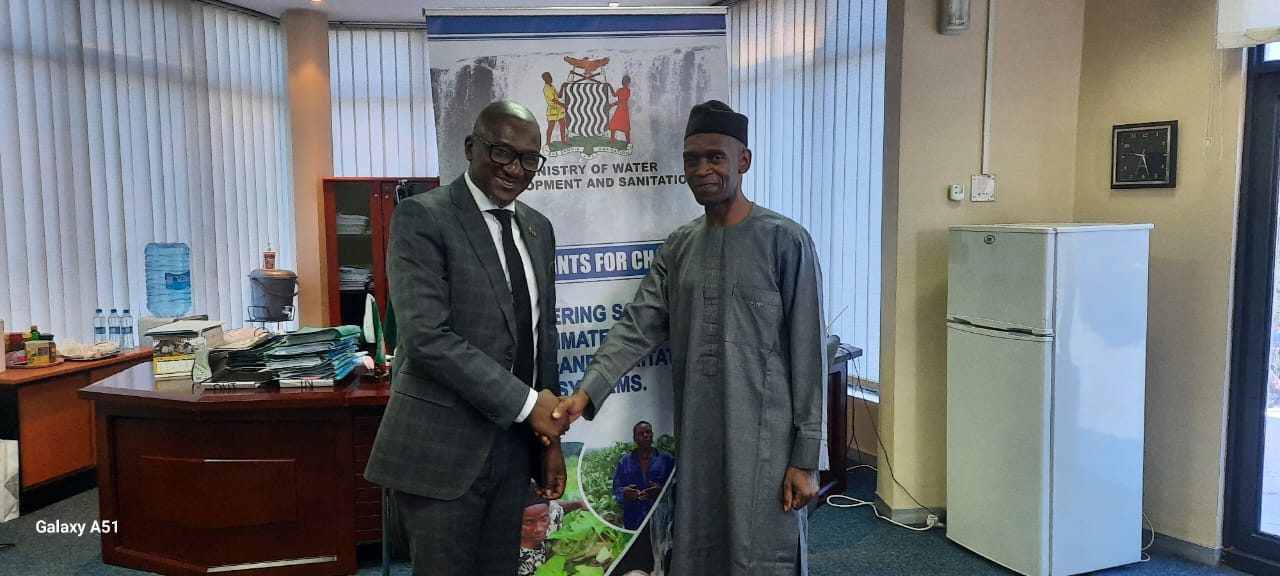
On 24 July, the Executive Secretary made a courtesy call on the new Minister for Water Development and Sanitation, Hon Collins Nzovu, MP. Discussions centred around developments in the Zambia water sector especially, Zambia’s drought response and measures to control the cholera outbreak. The opportunity was utilised to orientate Hon Nzovu on his role as a member of the Executive Committee of AMCOW. 

In addition, the Executive Secretary updated the Honourable Minister on the outcomes from AMCOW’s engagements at the 10th World Water Forum. Also discussed was the upcoming 9th Africa Water Week on 13-17 October 2024 in Cairo Egypt. The 14th Ordinary Session of the Executive Committee during the Africa Water Week will further guide the process of formulating the post-2025 Africa Water Vision and Policy.

youth indaba
News

AMCOW ES at the 2024 South Africa National Youth Indaba

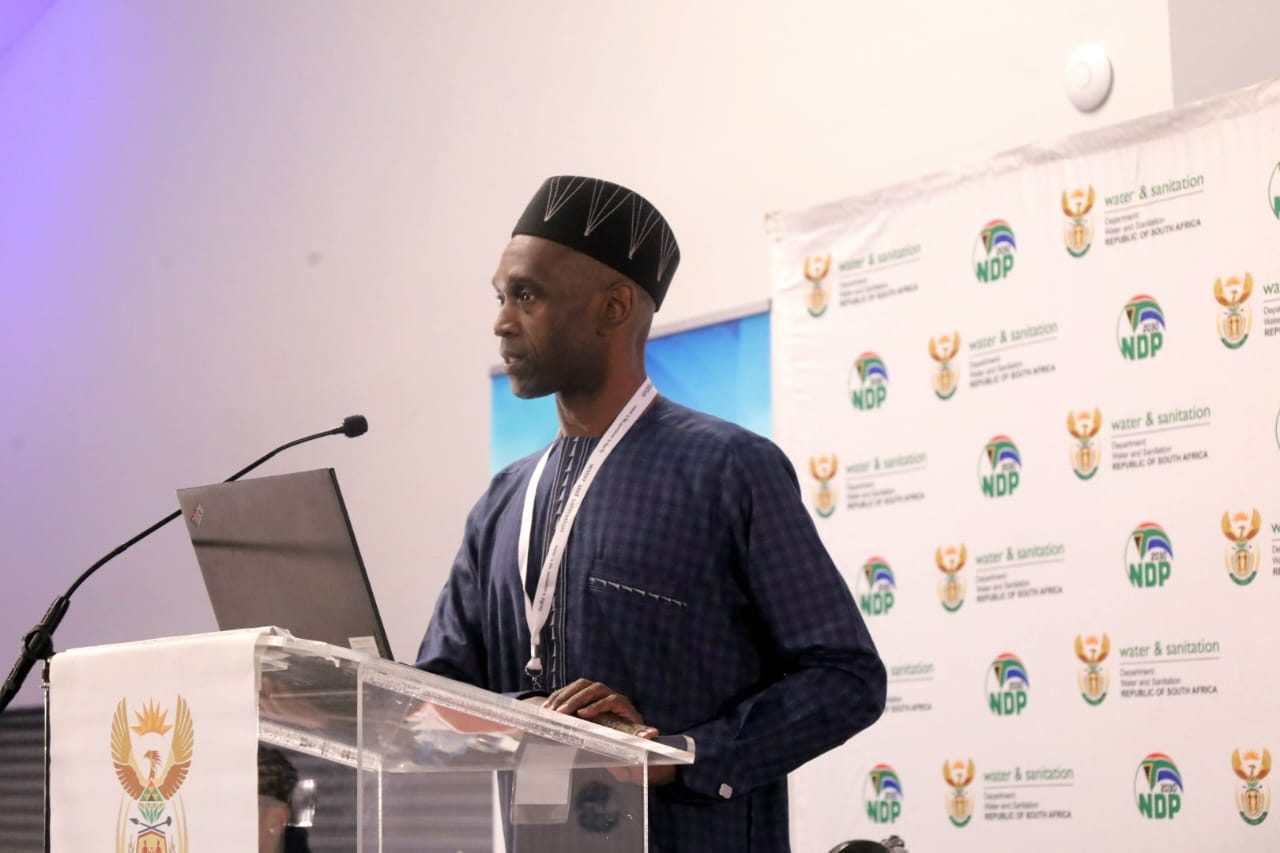
On Monday 22 July 2024, the AMCOW Executive Secretary joined the opening session of the 2024 South Africa National Youth Indaba. At the Indaba, Dr Mbaziira delivered a message of support at the invitation of the government of the Republic of South Africa. While, challenging the youth to assume their role, the Executive Secretary stressed the importance of resourcing programmes that meaningfully engage youth in the water and sanitation sector. Themed “The role of the youth in the water sector in Actively embracing the socio-economic gains of our democracy” the 2024 Youth Indaba provided a platform to take stock of programmes targeted at youth, encourage engagements, knowledge sharing and active participation of the youth in Water and Sanitation Sector activities. 

The agenda included an item to formulate an implementation plan for the AMCOW Youth and Gender Inclusion (YoGI) Strategy 2023-2030. The Strategy promotes youth empowerment; gender equity; and social inclusion in efforts to sustainably manage water resources; and ensure equitable provision of water, sanitation and hygiene services in Africa. The YoGI Strategy is aimed at revitalising implementation of AMCOW policies for mainstreaming youth (2013) and gender (2011) in the water and sanitation sector in Africa. In his message, Dr Mbaziira also used the occasion to congratulate Ms Pemmy Castelina Pamela Majodina, on her well-deserved appointment as Minister for Water and Sanitation.  Dr Mbaziira recalled the significant and various roles that South Africa has played, which have helped influence the water as well as sanitation agenda on the continent and contributed to the growth of AMCOW.


PCP news picture
News

AU and AMCOW Co-Convene the 5th Africa Water and Sanitation Partners’ Coordination Platform

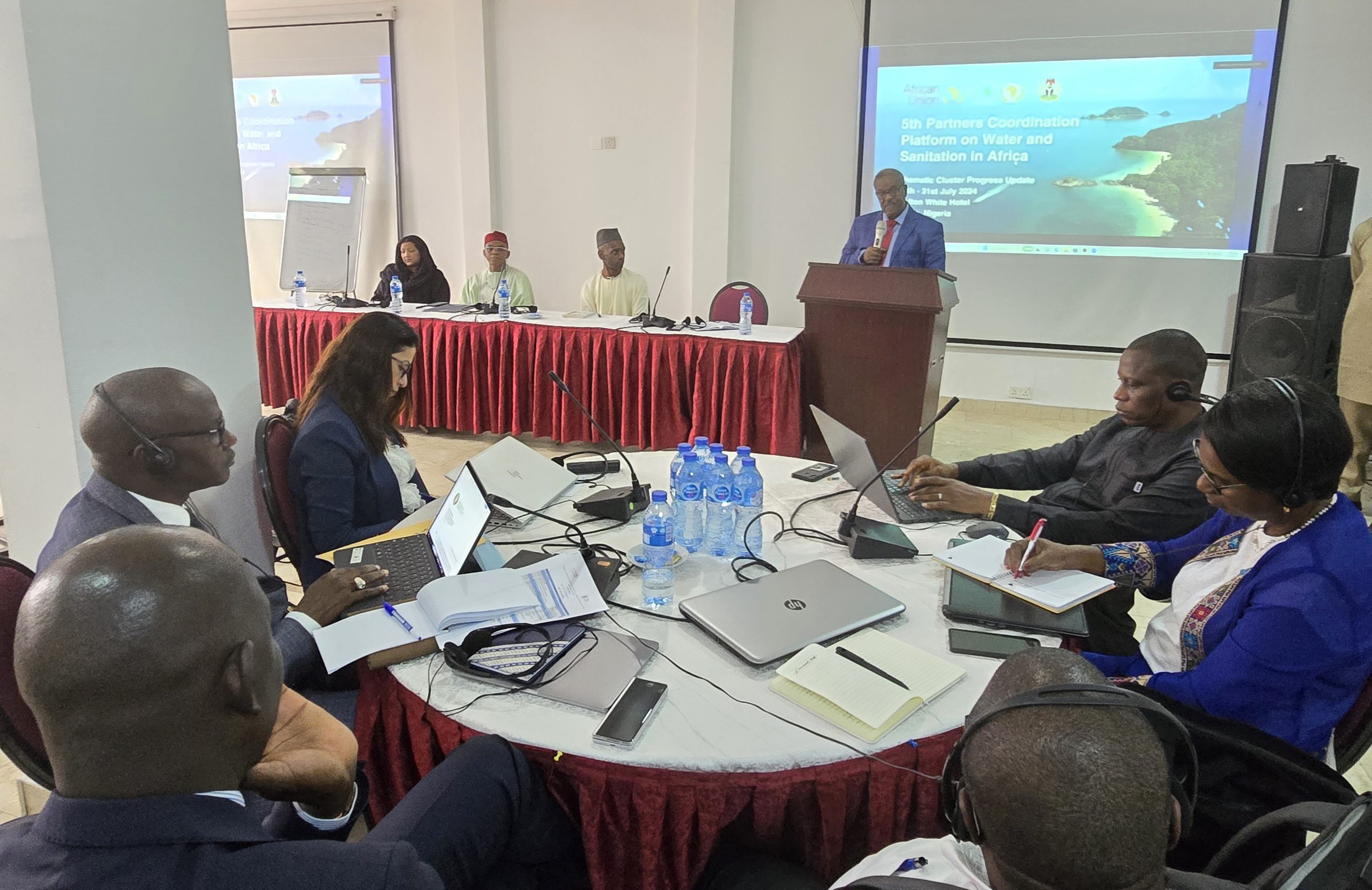
The African Union Commission (AUC) and the African Ministers’ Council on Water (AMCOW) successfully co-hosted the 5th annual Partners Coordination Platform (PCP) meeting on water and sanitation in Africa. Held on 29-31 July 2024 in Abuja, Nigeria, the event brought together leading organisations, development partners, and stakeholders across the continent. The idea was to enhance coordination, strengthen partnerships, and align efforts to accelerate progress toward water security and sanitation goals in Africa.

The PCP is a vital platform for addressing Africa’s water and sanitation challenges by facilitating resource mobilisation, exchanging information, and promoting collaboration among key institutions. The platform and its contribution to the overall goals of the Africa Water Vision 2025 demonstrate water and sanitation’s roles as critical cross-cutting factors in Africa’s socio-economic development.

The 2022 Water and Sanitation Sector Monitoring Report reveals significant challenges. Millions lack access to safe sanitation and drinking water, and climate change exacerbates the issues, impacting livelihoods and economic growth across Africa. At the 5th PCP meeting, participants focused on the importance of building Africa’s resilience to climate change and ensuring that investments in water and sanitation are climate-proofed. Africa remains vulnerable to the effects of climate change, with its water resources severely impacted, which heightens the urgency for more decisive, well-coordinated action.

The gathering also provided a platform for assessing progress on water-related commitments, including those established under Agenda 2063, the African Union’s climate change and resilient development strategy, and the Africa Water Investment Program (AIP). Emphasis was placed on leveraging tools such as the Africa Water and Sanitation Sector Monitoring and Reporting System (WASSMO) and the AIP PIDA Water Investment Scorecard to track water-related investments, improve accountability, and guide future actions.

One of the core objectives of the PCP meeting was to enhance data, knowledge, and reporting mechanisms across the continent to inform better decision-making. Delegates exchanged insights on ongoing water and sanitation initiatives, identified gaps, and recommended future interventions. Key priorities that emerged included ensuring greater access to safe water and sanitation, improving institutional capacity for water governance, and enhancing the coordination of projects spanning transboundary basins and regional economic communities.

In addition to these technical discussions, the meeting allowed stakeholders to share reflections on Africa’s participation at the 10th World Water Forum in Bali, Indonesia. This exchange of experiences envisioned shaping Africa’s position at upcoming global and regional events, such as World Water Week, COP29, and the 9th edition of Africa Water Week.

Expected outcomes of the PCP meeting include enhanced insights into ongoing and planned initiatives and ideas for improving synergies across water and sanitation efforts and organisations. At the core of the consultation were the valuable contributions to the development of a Post-2025 Africa Water Vision and the African Union Water Policy. Also, the groundwork was laid to ensure Africa’s strong and coordinated representation on global platforms and advance a collective and impactful voice on water issues through the Africa Pavilion initiative. Participants at the 5th PCP meeting included representatives from AUC, AMCOW, AfDB, AUDA-NEPAD, UNECA, regional economic communities, basin organisations, civil society networks, development partners, and UN agencies such as UNICEF and UN-Water. These stakeholders are committed to continuing their collaboration to meet Africa’s water and sanitation challenges head-on.

10th_WWF_Africa_Pavilion
News

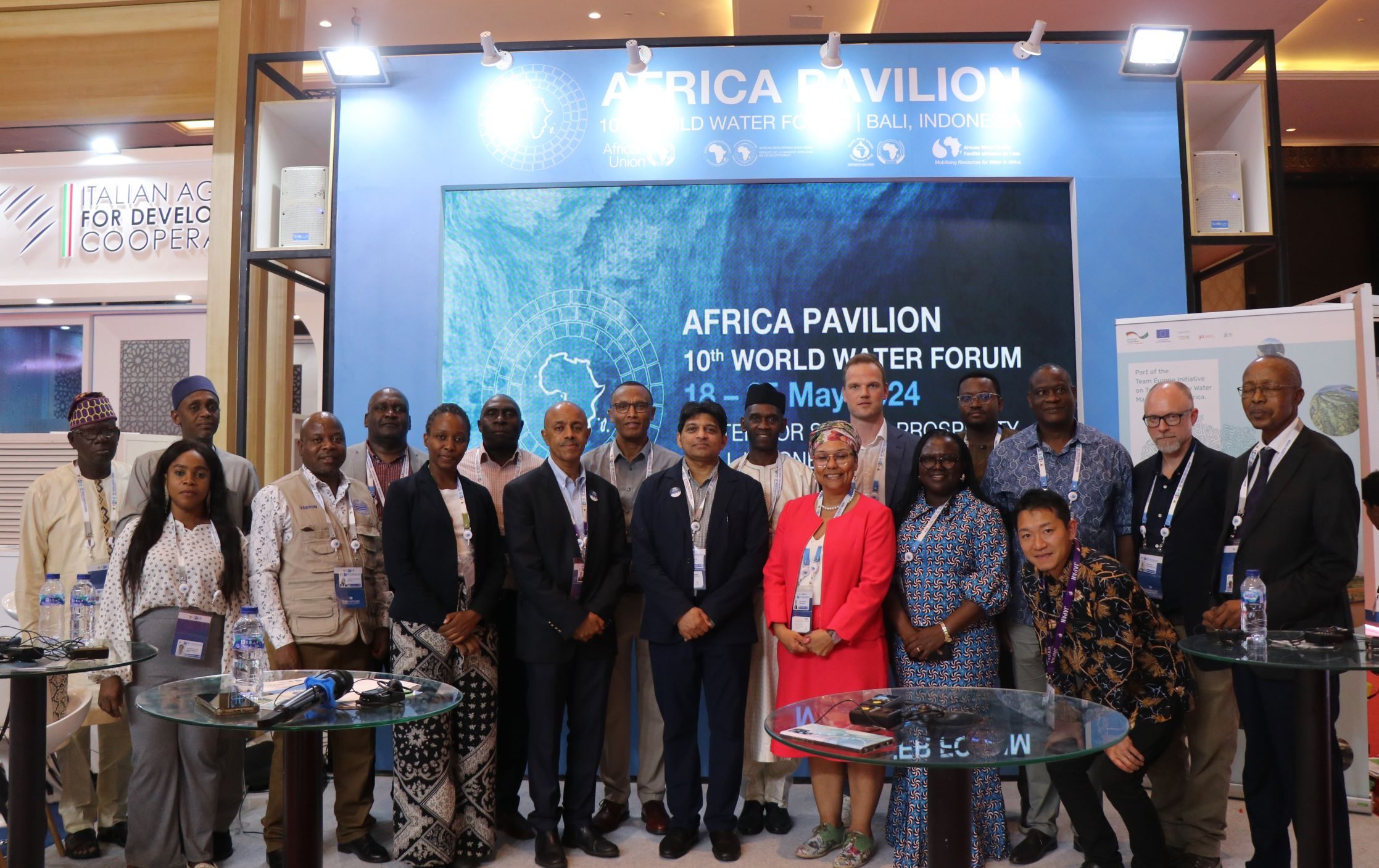
AMCOW’s Participation in the 10th World Water Forum (WWF10), Bali, Indonesia

From 20-24 May 2024, the Republic of Indonesia hosted the 10th World Water Forum (WWF10) in Bali under the theme “Water for Shared Prosperity.” This global gathering provided a platform for exploring inclusive and innovative solutions to the world’s pressing water-related challenges, focusing on accelerating progress towards the Sustainable Development Goals (SDGs) by 2030.

AMCOW, in collaboration with critical African institutions like the African Union Commission (AUC), the African Development Bank (AfDB), and the United Nations Economic Commission for Africa (UNECA), played a pivotal role in the Africa Regional Process at WWF10. This effort was supported by the Regional Economic Communities (RECs), River and Lake Basin Organizations (RLBOs), and numerous development partners, ensuring that Africa’s voice was strongly represented.

Africa Regional Process and Preparatory Consultations

AMCOW led an inclusive dialogue process that gathered input from member states and water sector stakeholders across Africa. This effort built consensus on the continent’s key messages for WWF10, reflecting Africa’s unique water and sanitation challenges and opportunities. Major preparatory events included the 2nd Stakeholder Meeting of WWF10, Cairo Water Week 2023, and the 7th AfricaSan Conference in Namibia. These gatherings helped shape Africa’s priorities and strengthen its position ahead of the global forum.

Further, the Africa Regional Process Preparatory Meeting, hosted by the Government of Kenya in Nairobi in March 2024 and a Basin Organizations Network (ANBO) meeting in Dakar in April, finalised Africa’s contributions to WWF10. Eight technical session topics were selected for Africa’s representation at the forum, with discussions focusing on advancing water security, infrastructure investment, and governance frameworks.

AMCOW’s Role at WWF10

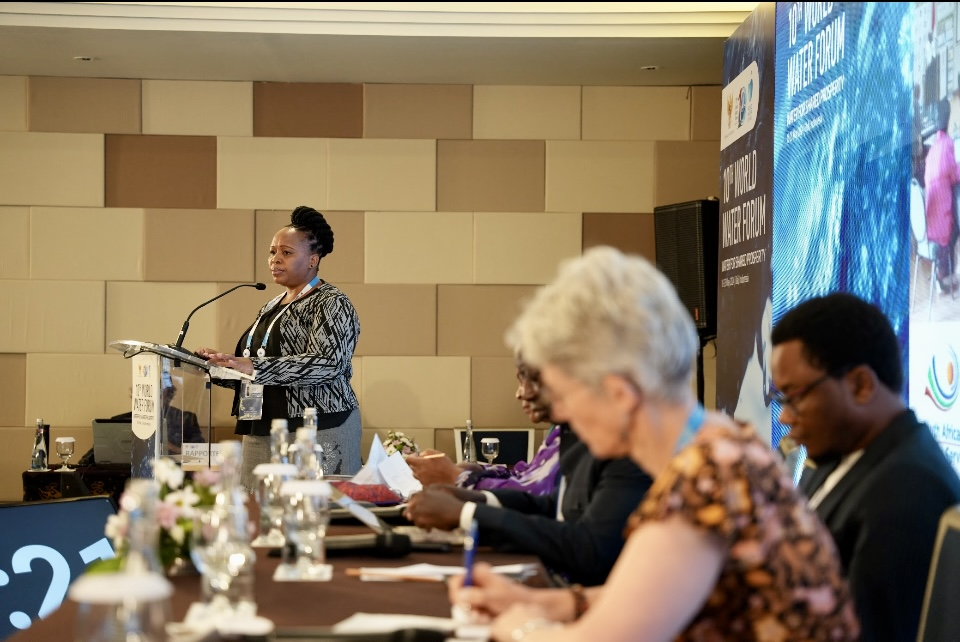
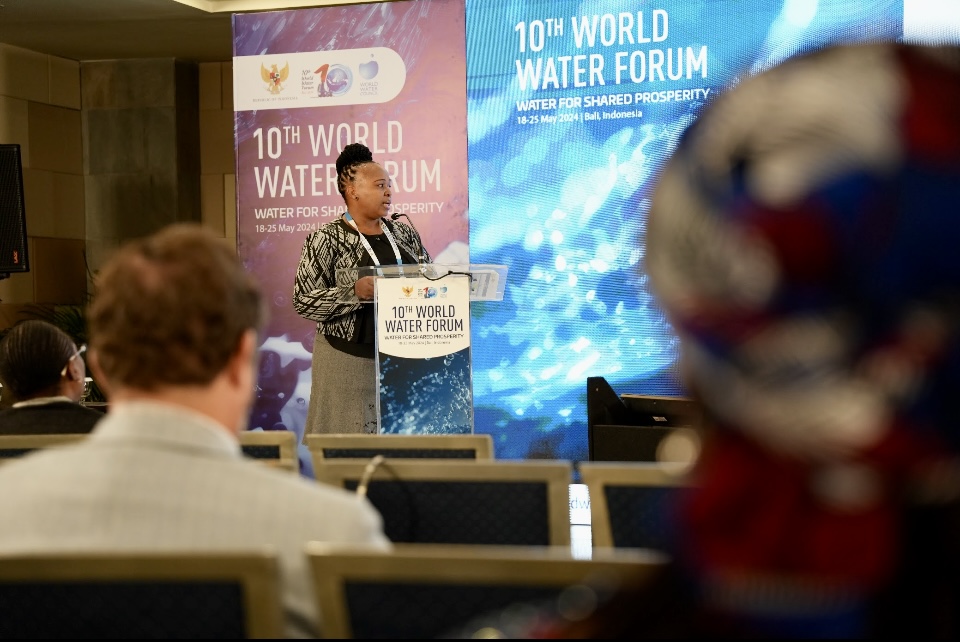
During WWF10, AMCOW facilitated Africa’s active participation across eight technical sessions, three special sessions, and two high-level panel discussions. These sessions addressed key themes such as climate finance, transboundary water management, sanitation economies, and gender and youth inclusion in water governance. AMCOW also co-hosted the Africa Pavilion with AfDB, which provided a space for engagement, networking, and knowledge-sharing among water and sanitation stakeholders.

The Africa Pavilion hosted seminars on various topics, including urban sanitation, private sector engagement, and water governance. One of the side events, AMCOW, in collaboration with DHI, hosted a knowledge management session on Building Strategic Knowledge Systems for Efficient Water and Sanitation in Africa. These sessions highlighted Africa’s innovative approaches to overcoming sector challenges and promoting sustainable water management solutions.

Impact and Outcomes

AMCOW ensured a solid and unified African presence at WWF10 through its leadership and coordination. Africa’s key messages emphasised the need for more significant investment in water infrastructure, the importance of climate resilience, and the potential for innovative financing models to drive progress. By championing these priorities, AMCOW helped shape the global water agenda, ensuring that Africa’s specific needs were addressed in the forum’s outcomes. AMCOW’s participation in WWF10 reinforced its commitment to driving progress in water and sanitation across the continent, aligning with the African Union’s Agenda 2063 and strengthening Africa’s voice on the global stage.

image
News

Building Strategic Knowledge Systems for Efficient Water and Sanitation in Africa

Bali, Indonesia – May 22, 2024

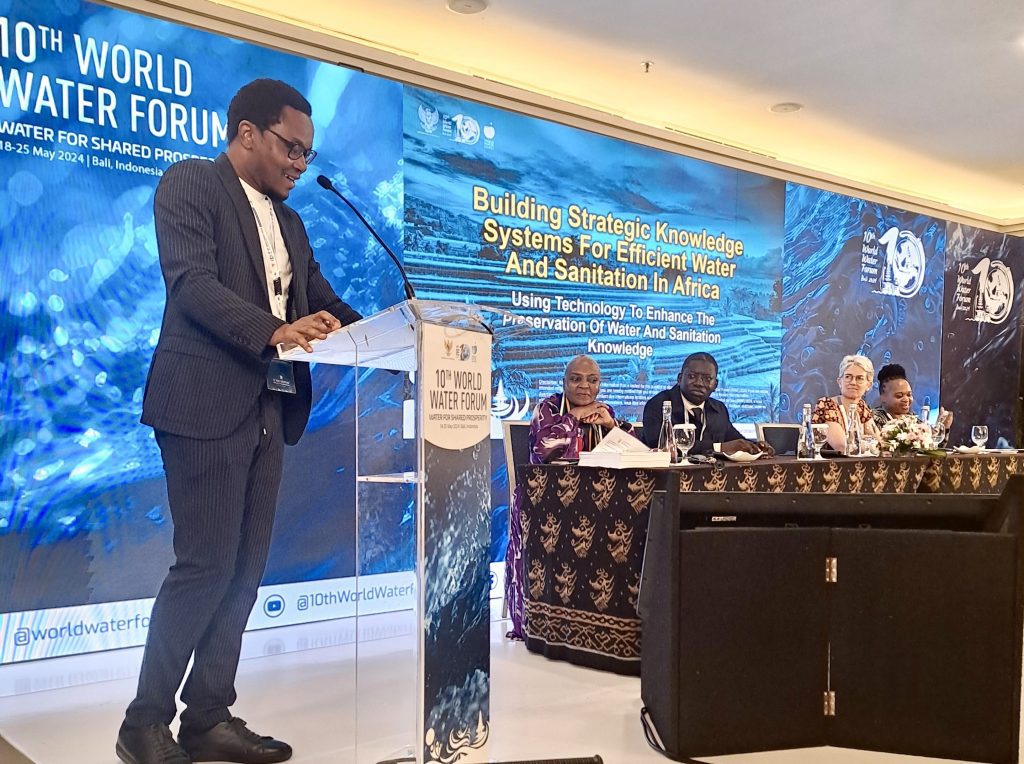
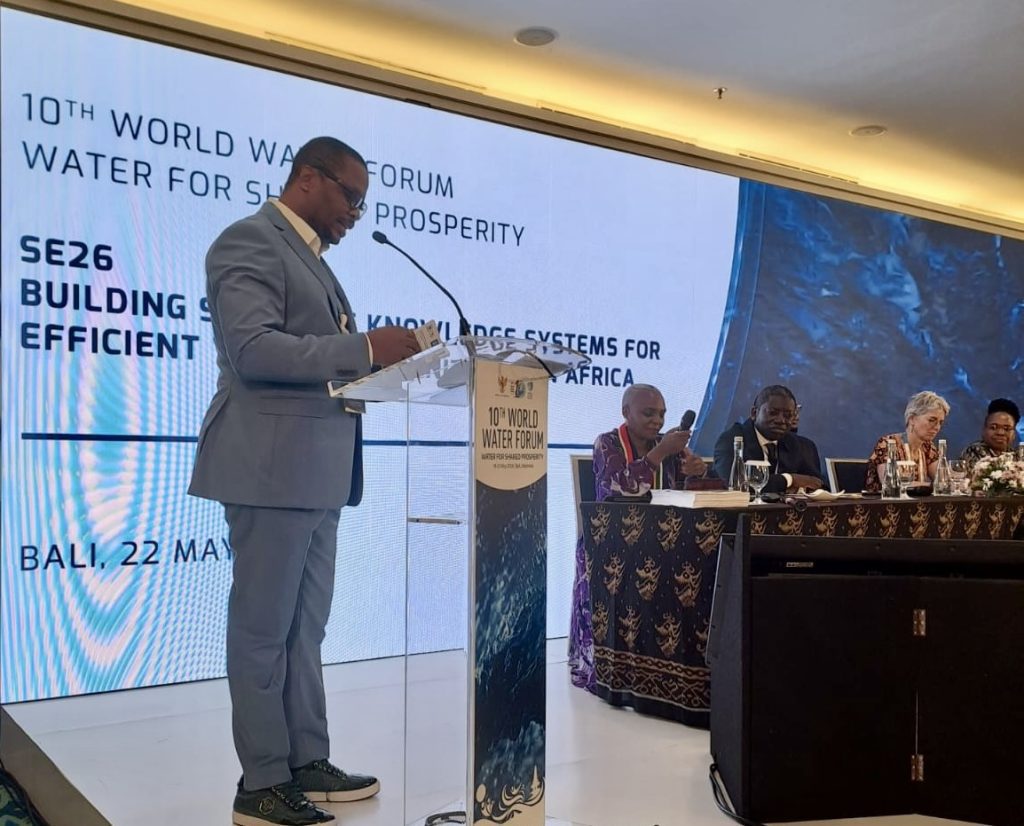
AMCOW and DHI organised a side event at the 10th World Water Forum. It was a very informative session on “Building Strategic Knowledge Systems for Efficient Water and Sanitation in Africa” from 8:30 to 10:00 AM in Kintamani 5.

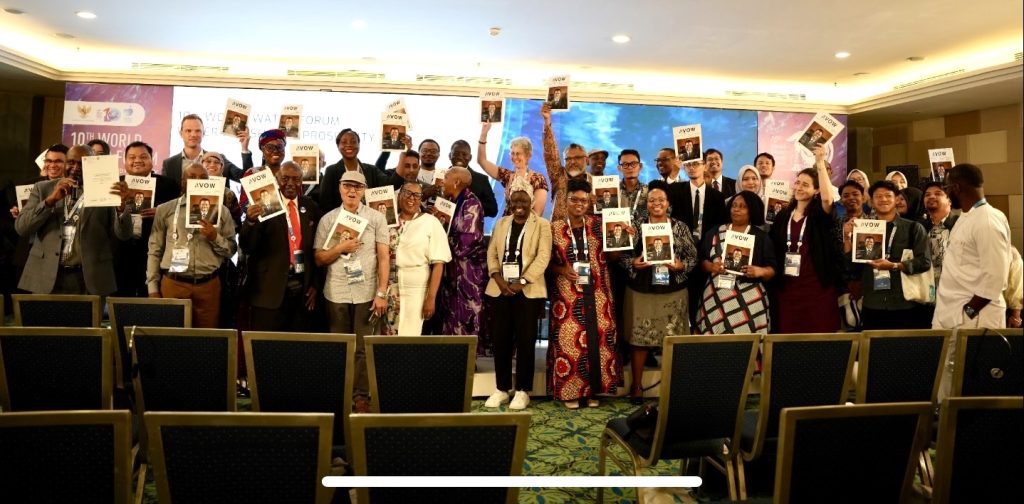
The session featured vital partners – South Africa’s Department of Water and Sanitation and the Ministry of Water and Sanitation, Senegal. It made a case for the essential role of knowledge management in enhancing water and sanitation services across Africa. Also, the session launched the second edition of Africa’s Voice on Water (AVOW) magazine. Overall, it was a huge step in promoting efforts for a water-wise Africa.

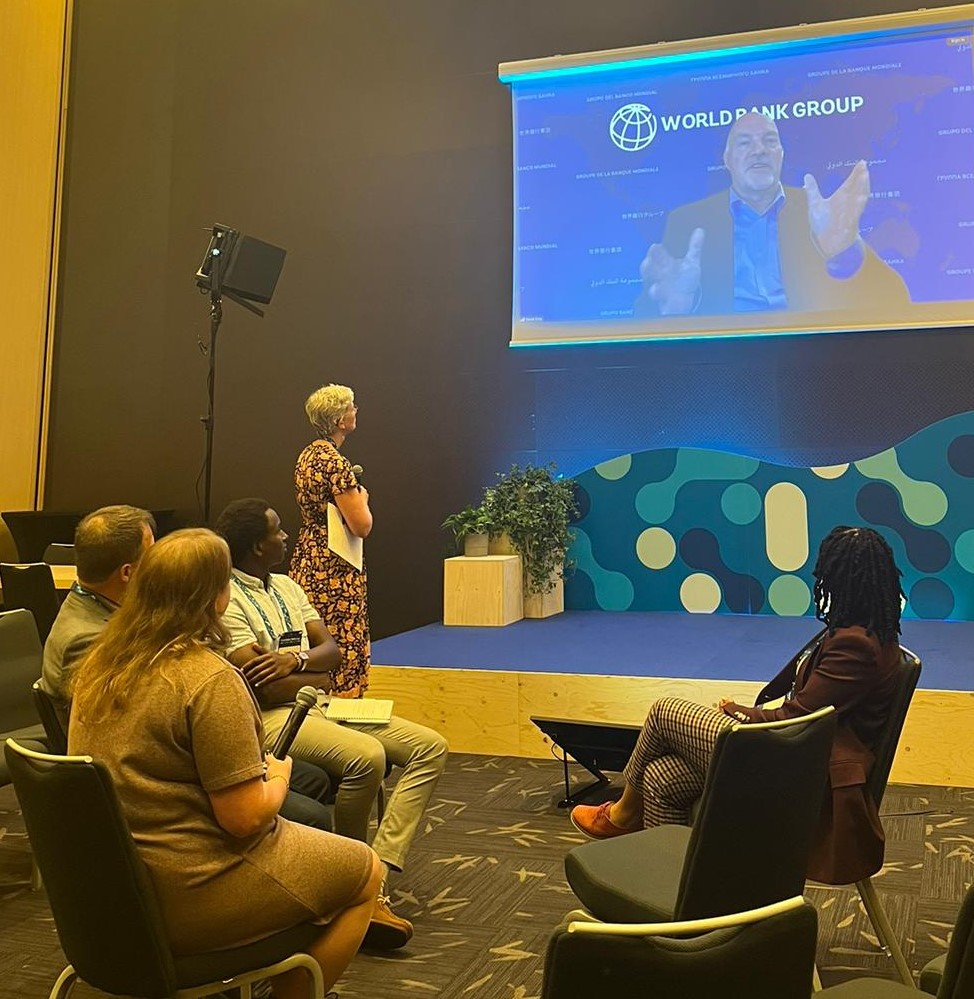
The Director of Knowledge Management at South Africa’s Ministry of Water and Sanitation, Ms Moshidisi Mokhele, presenting the Ministry’s Knowledge Management Strategy

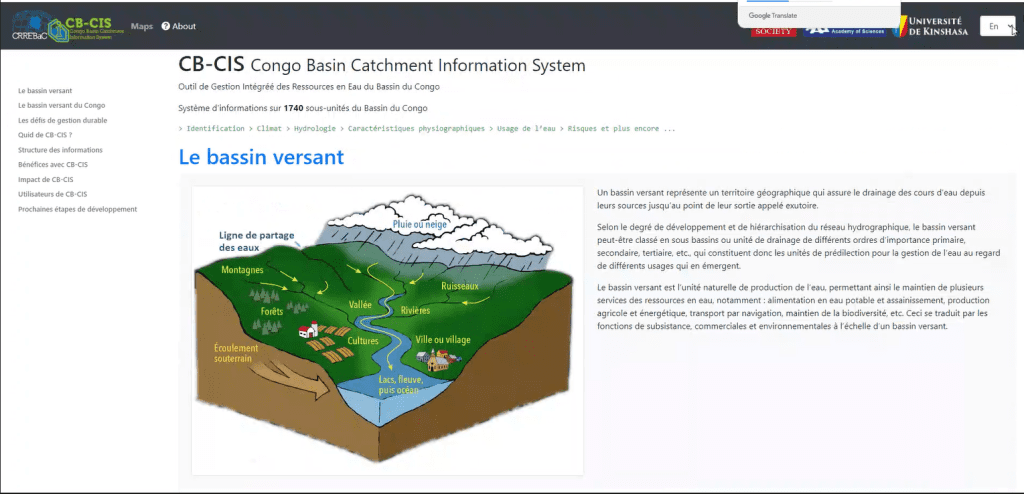
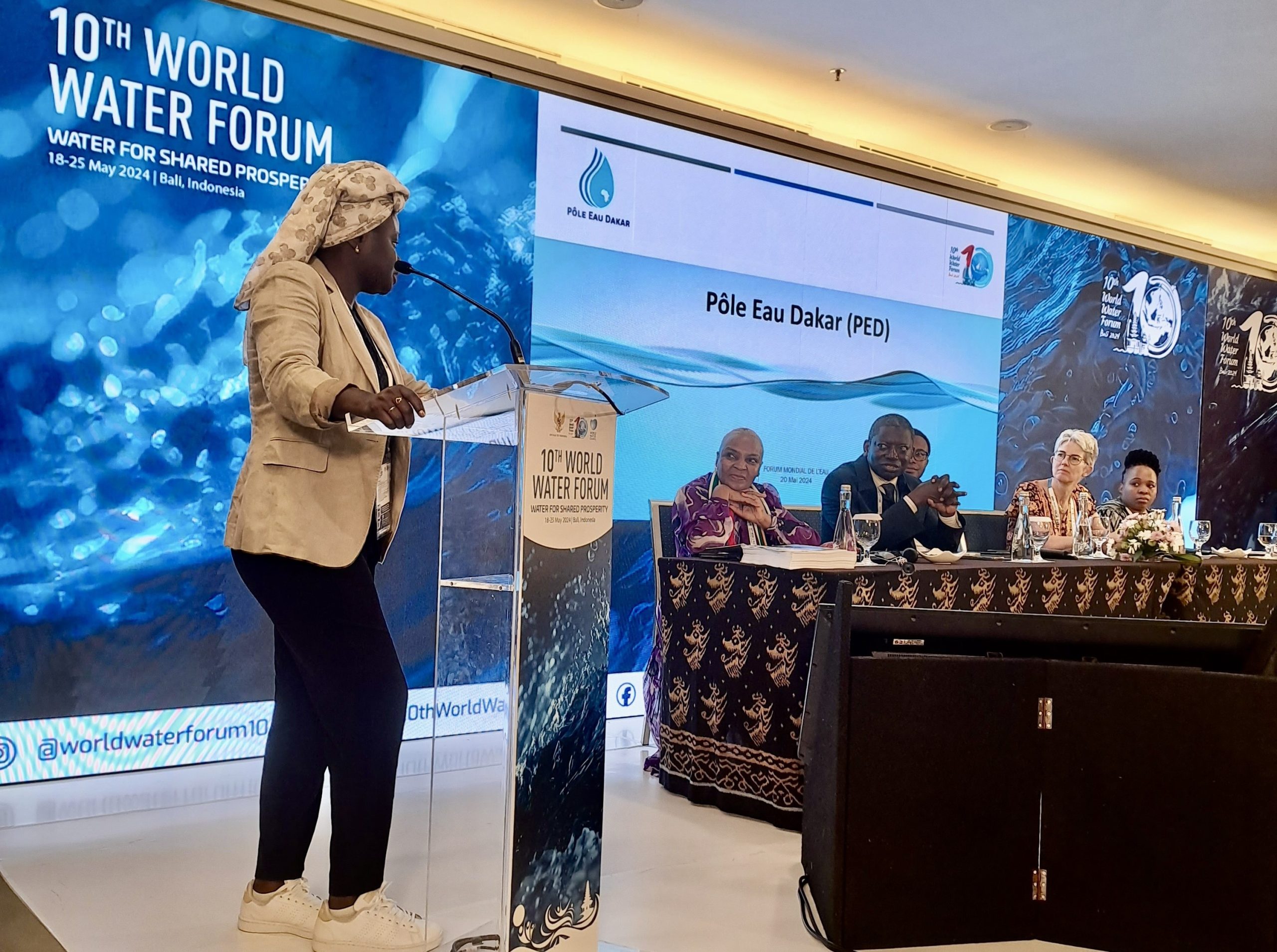
The AMCOW and DHI collaboration raises awareness about the benefits of establishing requisite knowledge systems – and showcasing South Africa’s Knowledge Management (KM) strategy for the water and sanitation sector. Senegal showcased Pôle Eau Dakar (PED), a digital solution for providing and improving access to water-related knowledge, guiding water-related investments and supporting informed cooperation and governance processes. Code Kraft, AMCOW’s software-building partner, took participants on a tour of AMCOW’s upgraded Knowledge Hub of Hubs. The blend of exercises gave insight into the long-term benefits of having a central continental repository for enhancing water resources management and delivering sustainable sanitation in Africa.

The session highlighted challenges such as the lack of emphasis on knowledge management – as KM is often overlooked in favour of data and information management, leading to inadequate resources dedicated to KM initiatives. The session further highlighted other challenges, such as the transition from data to knowledge – the difficulty of moving beyond data management to actual knowledge creation and sharing. Also discussed was the issue of evidence-based policy development – strategies and policies are often not evidence-based due to insufficient insights into real situations.

Senegalese Knowledge Officer, Mary, presenting Pole Eau Dakar (PED)

The session further proffered innovative solutions, such as:

  • Developing Knowledge Championship: South Africa, like the AMCOW Secretariat, has deployed efforts to drive knowledge building and dissemination and enhance sector data and reporting by developing national-level knowledge focal points.
  • Sector Non-technical Database: AMCOW Secretariat unveiled an initiative to build a non-technical database of service providers across the continent – accessible on the knowledge hub of hubs – to accelerate private sector involvement in the sector and networking.
  • Senegal’s Pole Eau Dakar (PED): The Republic of Senegal is building a web-based open-access portal to facilitate access to knowledge to guide water and sanitation investments and support governance processes.
Participants join to launch the second edition of Africa’s Voice on Water (AVOW) magazine.

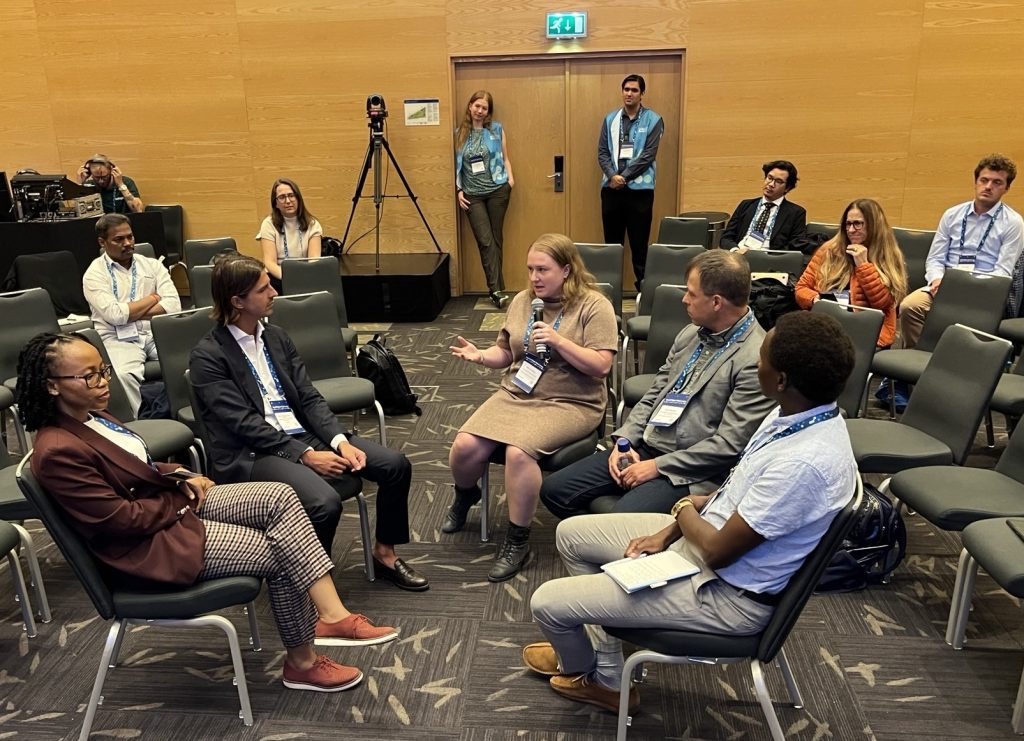
Participants were actively engaged throughout the session. A creative video of a football masterclass illustrated the difference between data and knowledge and captivated the audience. Attendees sought clarity on how rural stakeholders without internet access could be engaged. In response, consideration was given to establishing community knowledge centres to facilitate knowledge exchange in local areas. Senegal expressed how it applies quality control protocols in validating information and knowledge resources uploaded to online platforms.

DHI, South Africa, Senegal, and other partners will reconvene at World Water Week in August 2024 to consolidate their preparation for a robust KM programme.

AMCOW Knowledge Management, Communications and Visibility Officer Obinna Richfield Anah, facilitating the session.


IMG_2517-1
News

AMCOW Secretariat Meets with Moroccan Minister at 10th World Water Forum

Bali, Indonesia – May 22, 2024

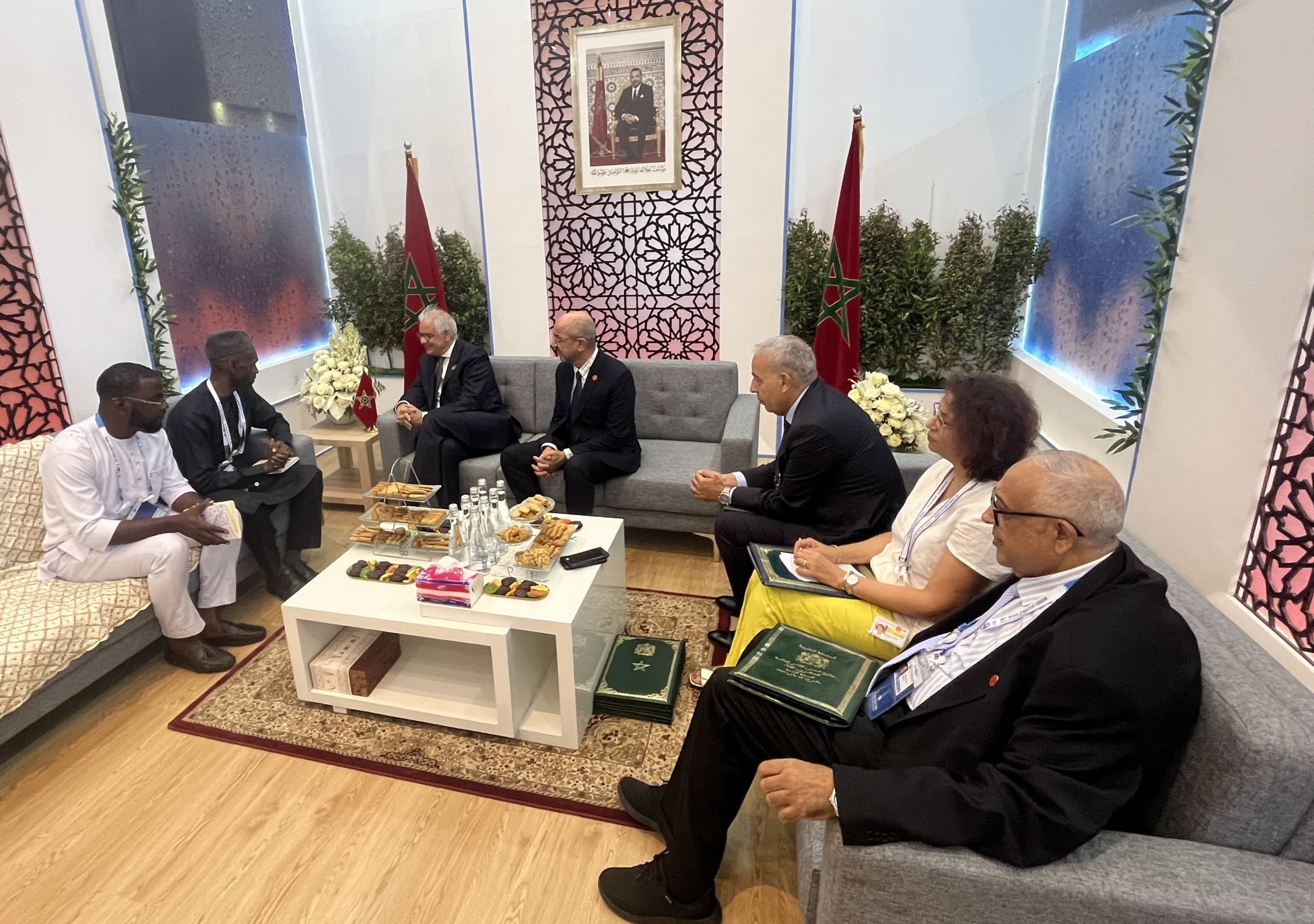
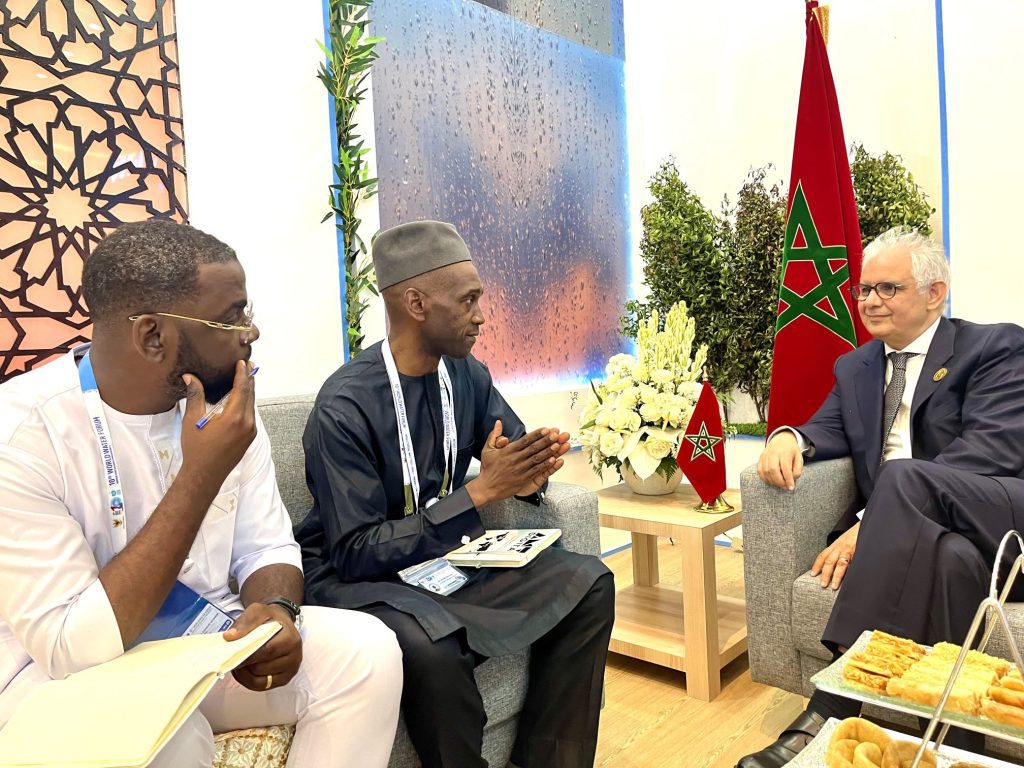
On the sidelines of the 10th World Water Forum, Dr Rashid Mbaziira, the Executive Secretary of the African Ministers’ Council on Water (AMCOW), paid a courtesy call to Nizar Baraka, the Hon. Minister of Equipment and Water of the Kingdom of Morocco. The meeting took place at the Moroccan Pavilion, where we discussed the Kingdom of Morocco’s strong commitment to AMCOW’s goals and its recent election into the AMCOW Policy Organs as Vice President for northern Africa for the 2025-2027 term.

During the meeting, the Executive Secretary thanked the Minister for strengthening Morocco’s commitment to AMCOW and apprised him and his team about the significant activities AMCOW is undertaking. Key among these is the implementation of the AMCOW Strategy, the preparation for the post-2025 Africa Water Vision and the upcoming Africa Water Week. The Executive Secretary emphasised the importance of Morocco’s continued support and encouraged the Minister to consider opportunities to back these initiatives.

(From left to right) AMCOW Monitoring, Evaluation and Reporting Officer Patrice Leumeni, Executive Secretary, Dr Rashid Mbaziira, Morocco’s Minister of Equipment and Water, Nizar Baraka.

The Minister of Water Resources, keen on the developments within AMCOW, inquired about the progress of a roadmap for the post-2025 Africa Water Vision. He stated, “We are glad to be identified with AMCOW, and as the vision is being developed, we are expectant and willing not only to align ourselves but also to provide the needed support to ensure that the vision is implemented.”

This meeting reflects the collaborative efforts between AMCOW and its member states, aiming to enhance water resource management and sanitation across Africa. The commitment from the Kingdom of Morocco sets a promising precedent for future initiatives and collective actions in addressing water challenges on the continent.

As the preparations for the post-2025 Africa Water Vision advance, the support and involvement of countries like Morocco will be vital in achieving sustainable water solutions for the region.

IMG_1977
FeaturedNews

AMCOW Central Africa Sub-Regional Consultation Concludes in Malabo

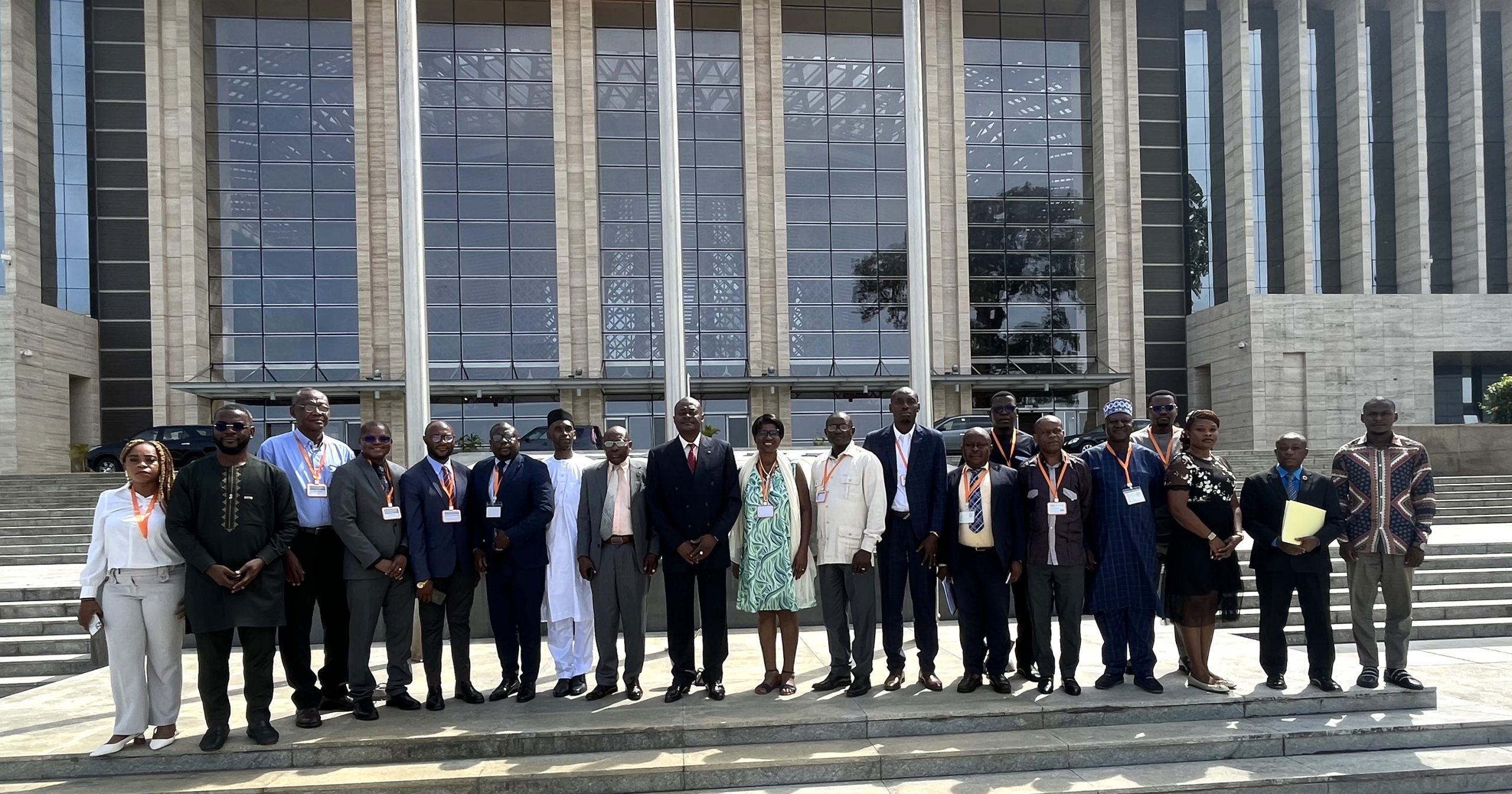
AMCOW’s statutory meeting of the Technical Experts Committee (TEC) and the Technical Advisory Committee of Central Africa occurred from 22 to 23 April 2024 in Malabo, Equatorial Guinea. The consultation convened representatives from AMCOW’s Central African member states, the Economic Community of the Central African States (ECCAS), the Lake Chad Basin Commission (CBLT), and other regional institutions, aiming to strengthen institutional linkages and operational arrangements while addressing emerging water-related challenges across the continent.

The key objectives of the meeting included apprising member states of the status of the implementation of the decisions of the 13th General Assembly of AMCOW. The meeting collated Central Africa’s inputs into Africa’s key messages and common position for the 10th World Water Forum. Also, the consultation witnessed the nomination of member states to represent Central Africa in AMCOW’s policy organs for the 2025-2027 tenure.

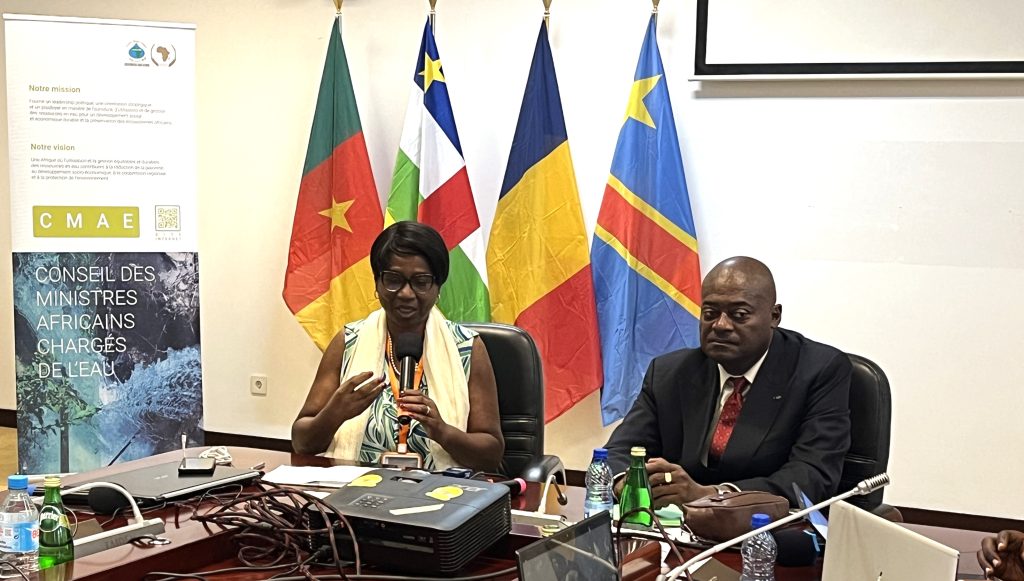
(Left) AMCOW Vice TAC Chair, Madam Ligia Barros, and (right) Minister of Fisheries and Water Resources, Honourable Francisco Medina Catalán, Equatorial Guinea.

The Minister of Fisheries and Water Resources, Honourable Francisco Medina Catalán, who opened the meeting and delivered the closing remark on the last day, warmly received the delegation. At the opening, the Minister expressed Equatorial Guinea’s pleasure in hosting the meeting and stressed that the country is committed to water resource management in Africa and willing to learn from the experiences of other member states. He highlighted the interconnectedness of water security and the recent food crises in Western and Central Africa. Hon. Francisco Medina Catalán urged collective support for Africa’s participation in global water forums led by AMCOW.

Subsequent statements from AMCOW Vice TAC Chair for Central Africa, Madam Ligia Barros, and representatives from ECCAS and CBLT underscored the importance of collaboration in addressing water management challenges. The TAC Vice Chair emphasised the need for increased regional coordination among the Central African member states and encouraged the delegates to participate actively in the upcoming World Water Forum.

A cross-section of participants of the Central Africa sub-regional meeting

With all member states represented, including other participants from regional organisations, the consultation saw fruitful discussions and presentations. ECCAS shared its ongoing efforts to tackle water security challenges and stressed the importance of funding and collaboration for effective water management. Similarly, CBLT and the Global Water Partnership (GWP) presentations promoted water resource management, transboundary cooperation, and capacity building.

During the closing, Minister Francisco Medina Catalán expressed gratitude for the nomination of Equatorial Guinea as AMCOW’s Vice President for Central Africa for 2025-2027. Madam Ligia Barros appreciated all participants and acknowledged their engagement and interventions throughout the consultation. The AMCOW Central Africa Sub-Regional Consultation with TEC and TAC concluded with optimism and renewed energy to work together to deliver Africa’s water agenda.

IMG-20240219-WA0072
News

AMCOW and Partners Set Scene for Gender, Sanitation, and Quality of Life in Africa

The African Ministers Council on Water (AMCOW) has joined forces with key partners in an event to address critical issues surrounding gender, sanitation, and overall quality of life.

The event, titled “Convening on Gender, Sanitation, and Quality of Life: Accelerating Progress on Universal Access to Sanitation,” was organised by the African Population and Health Research Centre (APHRC) and the London School of Hygiene and Tropical Medicine (LSHTM). Supported by the Bill and Melinda Gates Foundation (BMGF), the meeting convened in Nairobi, Kenya, from February 7th to 8th, 2024. The primary objective was to chart a course of action linking gender, sanitation, and quality of life across policy, practice, and research.

Participants of the gender convening engaged in
a group knowledge-creation session.

AMCOW’s role was significant in the convening, represented by its Monitoring and Evaluation Support Officer and Youth and Gender Lead, Mr. Emmanuel Uguru. He provided regional perspectives and shed light on the intricate connections between sanitation, gender dynamics, and their impact on quality of life. He shared information on AMCOW’s strategic priorities, including monitoring and reporting the state of Africa’s water and sanitation to the African Union. Also, Mr Uguru apprised the participants of AMCOW’s new Youth and Gender Inclusion Strategy and the toolkit for mainstreaming gender and youth in Africa’s water and sanitation development agenda.

Participants of the convening brainstormed on suggestions
collated from the group exercise.

The meeting underscored the urgency of ensuring universal and inclusive access to safely managed sanitation before the coming mid-term review of the Sustainable Development Goals (SDGs). As part of critical actions agreed upon during the event, the United Nations Entity for Gender Equality and the Empowerment of Women, the World Health Organisation and other key partners will collaborate in supporting AMCOW’s gender and youth initiatives in Africa. This partnership will focus on developing and validating gender-specific indicators to enrich reporting mechanisms. These partners will jointly develop and publish an academic article to provide insight into the intricate nexus between gender, sanitation, and quality of life. Also, a community of practice will be established and hosted on the AMCOW knowledge hub to sustain the relationship and momentum generated during the convening.

One of the plenary sessions of the gender convening organised by APHRC and LSHTM in Nairobi, Kenya.